Why UAV Inspection Is Becoming Standard in Industrial Operations
Discover why UAV inspection is becoming the standard for industrial operations. Learn how drones improve safety, reduce downtime, and provide better data.
March 29, 2026
UAV inspection is becoming standard in industrial operations because it helps companies inspect faster, reduce risk, and keep assets under better control. In industries where downtime is expensive and safety matters, drones offer a practical way to collect visual data without sending people into every hard-to-reach area.
The shift is not just about adopting new technology. It reflects a real operational need. Industrial teams need inspections that are more frequent, more efficient, and less disruptive, and UAVs are becoming one of the most effective ways to achieve that.
The limits of traditional inspection
Traditional industrial inspections often require workers to climb, enter confined areas, shut down equipment, or use heavy access equipment just to get a clear view of an asset. That takes time, adds cost, and increases exposure to risk. In many cases, the inspection process itself becomes a bottleneck.
This is especially true for large or complex facilities. Power lines, towers, pipelines, storage tanks, rooftops, wind turbines, bridges, and factory infrastructure all create access challenges. A ground-based team may be able to inspect them eventually, but not always quickly or safely.
As industrial operations become more time-sensitive, that model starts to show its weaknesses. UAVs solve that problem by making inspection faster and more flexible.
Why UAVs fit industrial workflows
Drones are a strong fit for industrial inspection because they can reach places that are difficult or dangerous for people. They can fly over structures, inspect elevated assets, and gather visual information without requiring full physical access. That makes them valuable in routine maintenance, emergency assessment, and asset monitoring.
They also fit well into modern industrial workflows because they can be deployed quickly. A team can often launch a drone and capture useful inspection data in far less time than it would take to set up scaffolding, rope access, or other traditional methods. That speed matters when a company needs to make decisions quickly.
In practice, UAVs are not just replacing one inspection method with another. They are changing how inspections are planned and executed.
Safety is a major reason for adoption
One of the biggest reasons UAV inspection is becoming standard is safety. Industrial inspection often puts workers in environments where the risk is higher than necessary. Heights, heat, moving machinery, restricted areas, and unstable structures all create potential hazards.
A UAV reduces that exposure by allowing teams to inspect from a distance. Instead of sending a person onto a tower, roof, or hazardous zone right away, the drone can provide a first look. That allows supervisors to identify problems before deciding whether closer inspection is necessary.
For many companies, this is a major operational improvement. Fewer high-risk entries can mean fewer accidents, less liability, and a safer working environment overall.
UAVs reduce downtime
Downtime is expensive in almost every industrial sector. When equipment is offline, production slows, deadlines are affected, and costs rise. Traditional inspections can contribute to downtime because they often require access setup, shutdown windows, or extended on-site work.
UAVs help reduce that burden. Because they can inspect assets faster and with less physical disruption, companies can often complete checks while minimizing operational interruption. That is one reason drones are becoming so valuable in preventive maintenance and condition assessment.
The faster an issue is identified, the sooner it can be addressed. That can help prevent small problems from becoming major failures, which is another way UAVs contribute to uptime and cost control.
Better data supports better decisions
Modern industrial inspection is not only about seeing a surface. It is about collecting data that helps teams decide what to do next. UAVs can provide high-resolution images and, in some cases, thermal or other specialized data that helps identify defects, heat issues, structural concerns, or abnormal conditions.
This makes it easier for maintenance teams and managers to prioritize repairs. Instead of relying on incomplete field notes or delayed manual checks, they can review aerial inspection data and make more informed decisions. That can improve maintenance planning, reduce unnecessary site visits, and help teams focus resources where they are most needed.
In industries where asset health matters, better information leads directly to better operations.
Common industrial use cases
UAV inspection is now used across a wide range of industrial environments. Some of the most common applications include:
- power line and utility inspection,
- wind turbine inspection,
- rooftop and building inspection,
- pipeline and corridor monitoring,
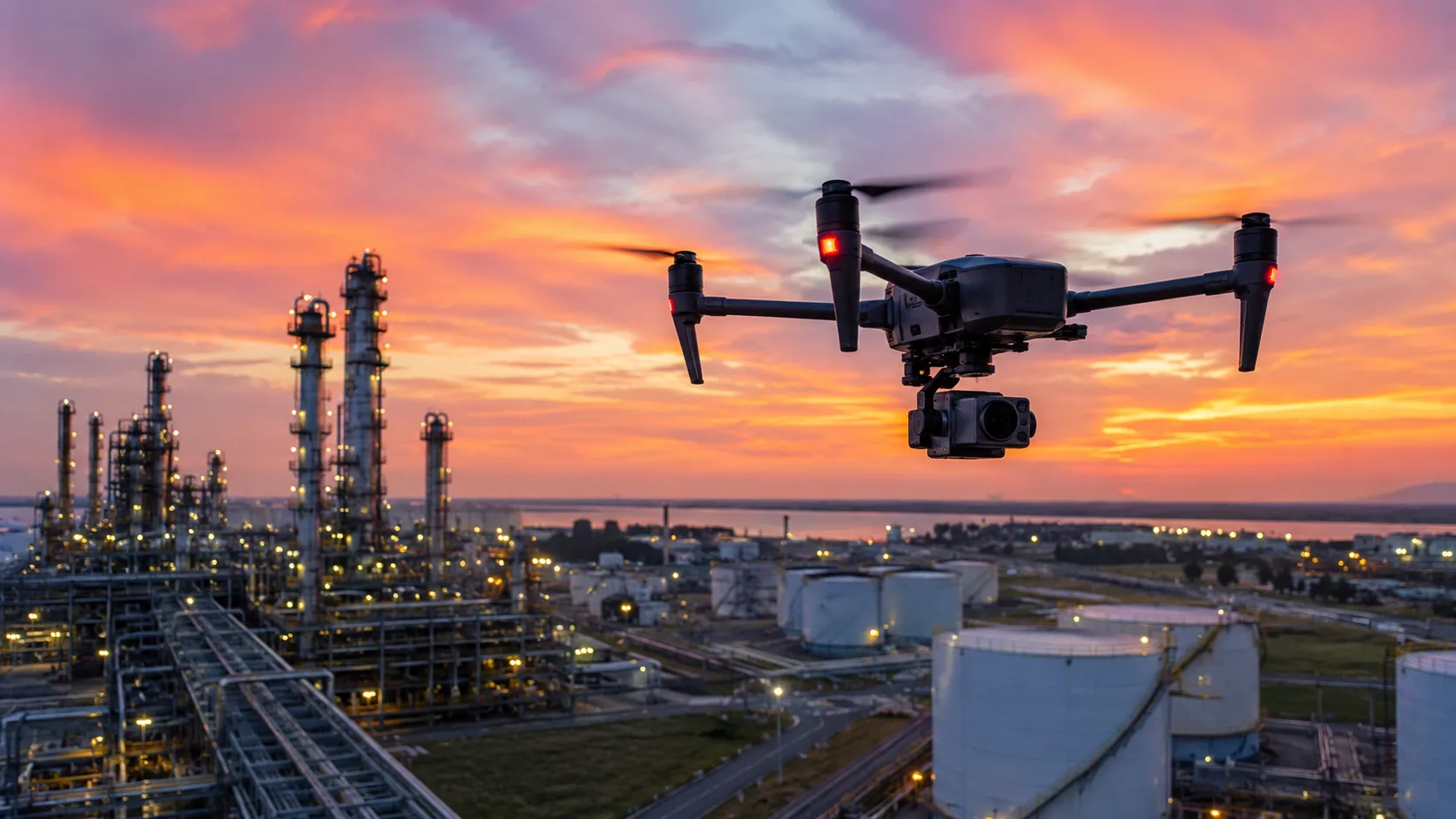
- refinery and plant inspection,
- bridge and infrastructure assessment,
- and storage yard or site monitoring.
These use cases share a common need: they require fast, reliable visual assessment of assets that are hard to inspect safely by hand. Drones are especially useful here because they can repeat the same flight path, capture consistent data, and support ongoing monitoring over time.
Why the shift is accelerating now
UAV inspection is becoming standard now because the technology has matured enough to be practical at scale. Flight systems are more reliable, imaging quality is better, and industrial teams are increasingly comfortable integrating drones into existing workflows.
At the same time, businesses are under pressure to do more with fewer resources. They need to reduce inspection time, improve safety, and keep operations running efficiently. UAVs address all three of those needs at once.
There is also a broader industry shift toward predictive maintenance and data-driven operations. Drones fit naturally into that model because they help teams identify issues earlier and inspect assets more often without a major increase in labor.
What businesses should look for in an inspection UAV
Not every drone is suitable for industrial inspection. Businesses should look for platforms that are reliable, stable, and appropriate for the assets they need to inspect.
Important factors include:
- image quality and camera performance,
- flight stability,
- endurance,
- ease of deployment,
- thermal or zoom capability when needed,
- and the ability to work in industrial environments.
The best inspection UAV is not just the one with the best technical specifications. It is the one that fits the workflow, produces usable data, and can be operated consistently by the team.
How Stroni supports industrial inspection
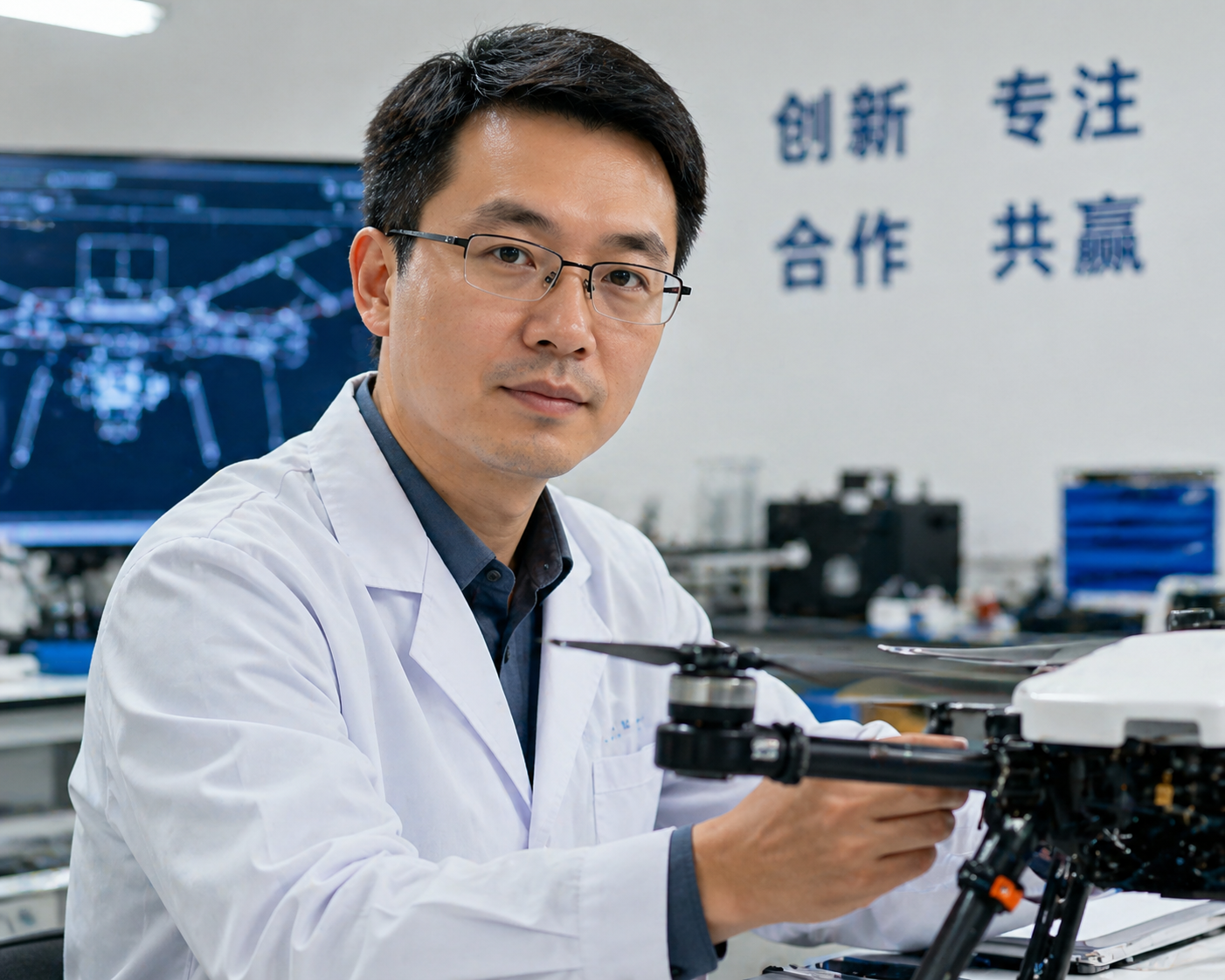
Stroni’s industrial inspection UAVs are designed to support real operational needs in environments where safety, speed, and data quality matter. For industrial teams looking to modernize inspection workflows, the right UAV platform can reduce risk, improve visibility, and make inspections more efficient.
The value is not in the drone alone. It is in how the drone helps teams inspect smarter, respond faster, and manage assets more effectively.
Final thoughts
UAV inspection is becoming standard in industrial operations because it solves practical problems that traditional methods struggle with. It improves safety, reduces downtime, speeds up data collection, and helps teams make better maintenance decisions.
For companies that manage valuable or high-risk assets, drones are no longer just an optional tool. They are becoming a normal part of how industrial inspection gets done.
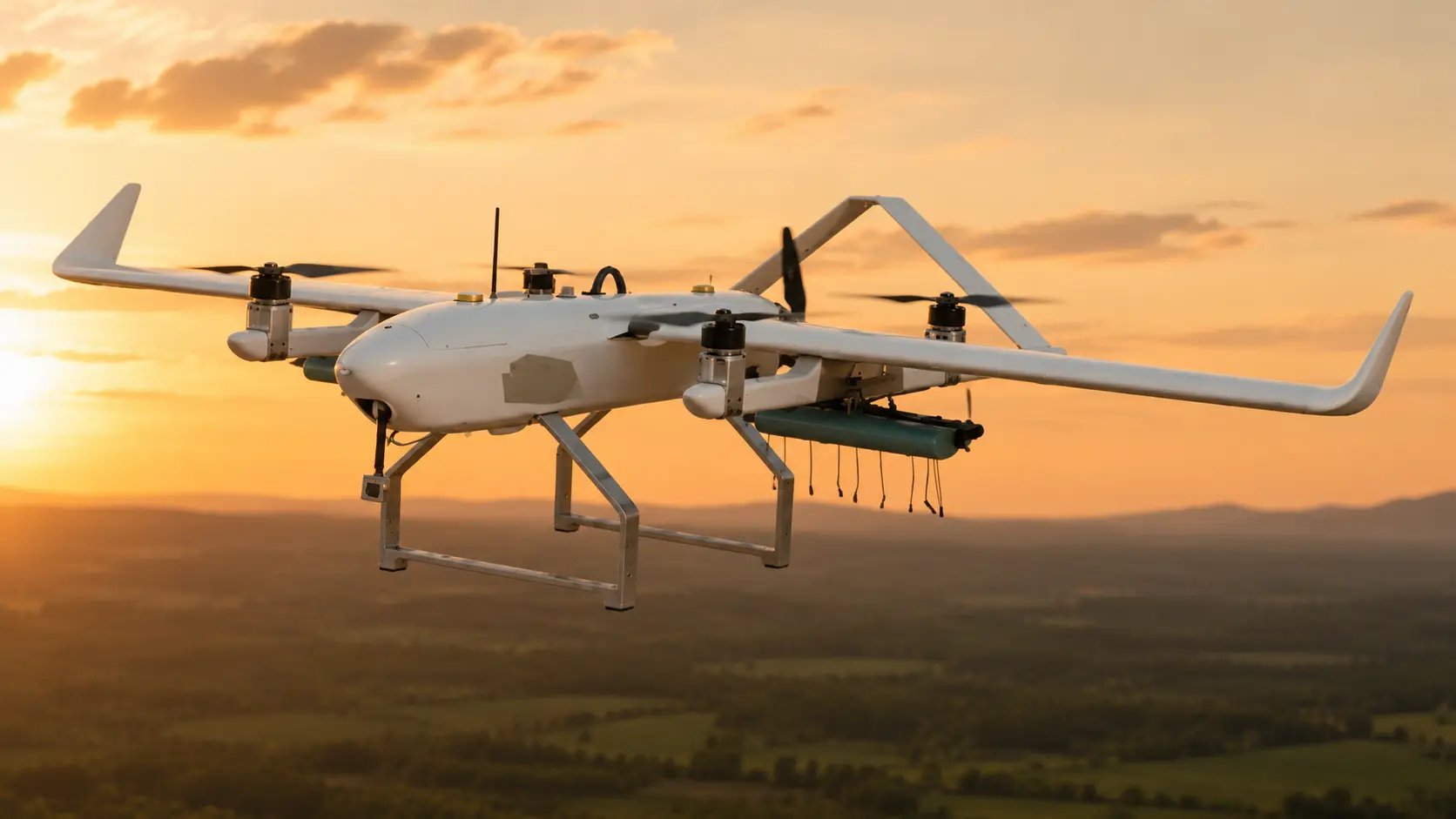
About the Author:Wei Chen is the Chief UAV Engineer at Stroni, focusing on the architectural design and flight control system optimization of industrial multi-rotor platforms. Learn more →
Frequently Asked Questions
Why are UAVs replacing traditional industrial inspections?
+
UAVs are faster, safer, and reduce costly downtime. They eliminate the need for scaffolding or rope access while providing high-resolution visual and thermal data.
What are the most common industrial use cases for drones?
+
Common use cases include power line and utility inspections, wind turbine monitoring, pipeline assessments, and routine checks on refinery and plant infrastructure.
Want more industry insights?
Explore drone applications, implementation playbooks, and operational best practices with our editorial team.