Defense & Tactical UAVs for Reconnaissance and Mission Operations
Defense and tactical UAVs are designed for professional users who need mission-ready unmanned aircraft for reconnaissance, surveillance, perimeter monitoring, border patrol, and field observation tasks. Compared with general commercial drones, these platforms are selected around practical mission factors such as endurance, launch flexibility, payload integration, operating radius, and deployment reliability in complex environments.
For B2B buyers, integrators, and project teams, the value of a tactical UAV platform is not only in flight performance. It is in how well the platform fits the mission workflow, the payload package, the terrain, and the field deployment model. This category brings together fixed-wing UAVs, VTOL fixed-wing UAVs, loitering-type platforms, tactical multirotor systems, and unmanned helicopter configurations for different reconnaissance and mission support needs.
What Are Defense & Tactical UAVs?
Defense and tactical UAVs are unmanned aircraft platforms developed for mission-oriented aerial operations where situational awareness, route coverage, stand-off observation, and field adaptability are important. These systems are often used in projects that require more than a standard camera drone can provide, especially when endurance, launch method, payload customization, or operating environment becomes a key procurement factor.
Depending on the platform type, a tactical UAV may prioritize long-endurance fixed-wing cruising, runway-free VTOL deployment, compact field launch, low-altitude observation, or mission-specific payload carriage. In practice, the best platform is the one that matches the operational envelope rather than the one with the most aggressive headline specification.
Typical Mission Profiles
Professional buyers usually evaluate tactical UAVs against defined mission scenarios rather than general descriptions. Common use cases include tactical reconnaissance, route and corridor monitoring, perimeter surveillance, border patrol, remote site observation, communication relay support, target indication support, and long-endurance area coverage.
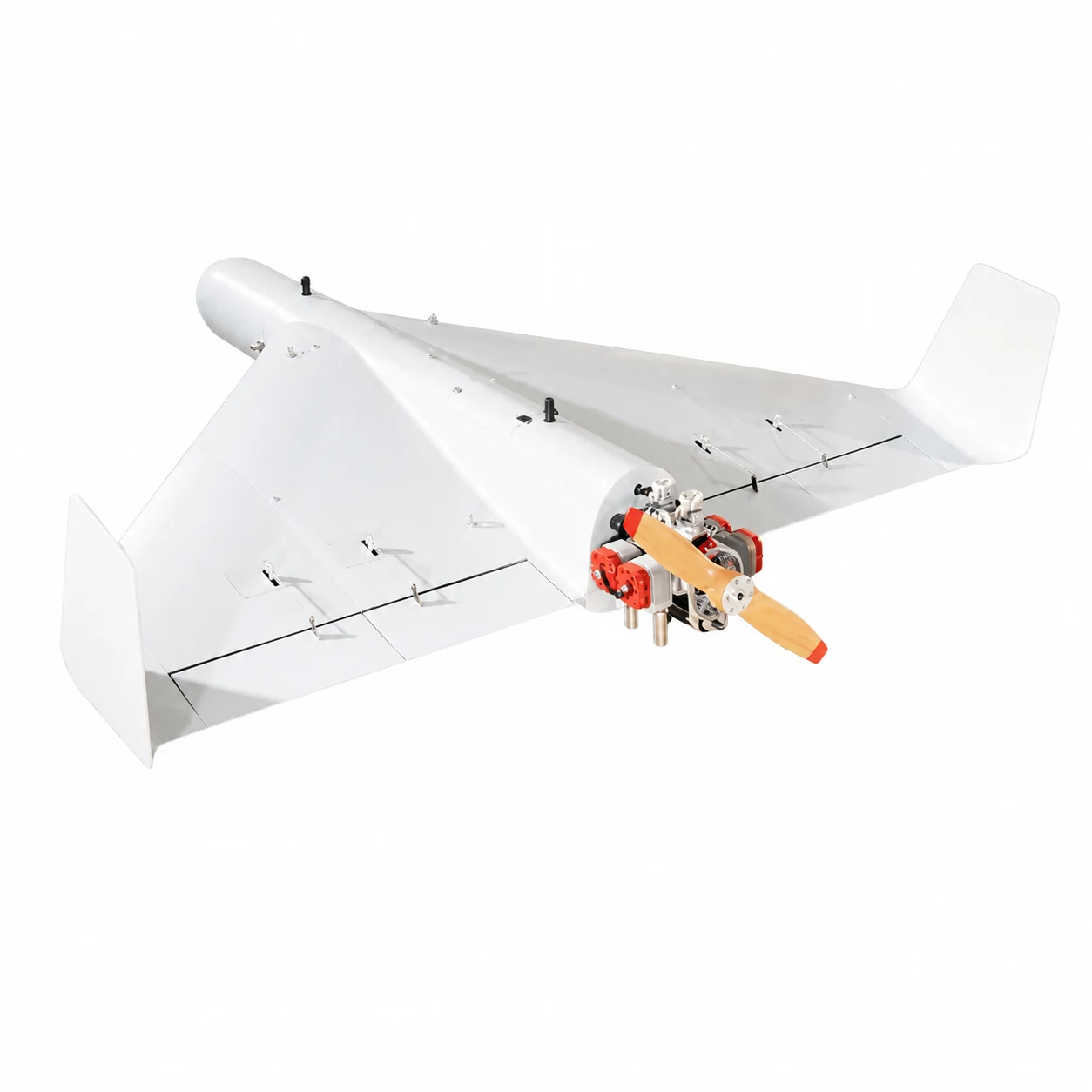
Some missions require a compact platform for rapid deployment and short-cycle observation. Others require a long-endurance fixed-wing UAV to cover larger areas with higher efficiency. For buyers handling mixed mission environments, a VTOL fixed-wing UAV often offers a more flexible balance between runway-free deployment and wider-area fixed-wing cruising.
Fixed-Wing vs VTOL vs Tactical Multirotor
Fixed-Wing Tactical UAVs
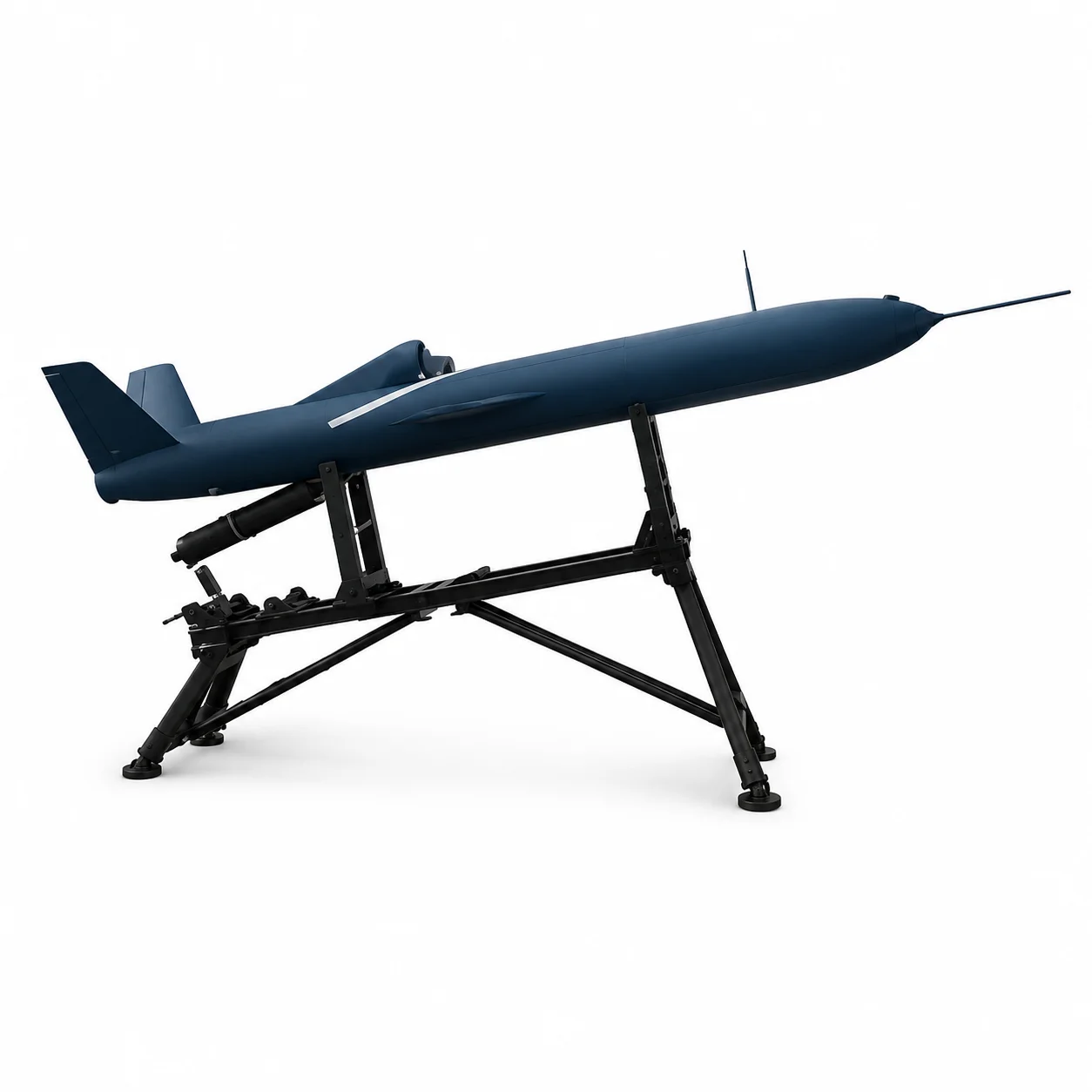
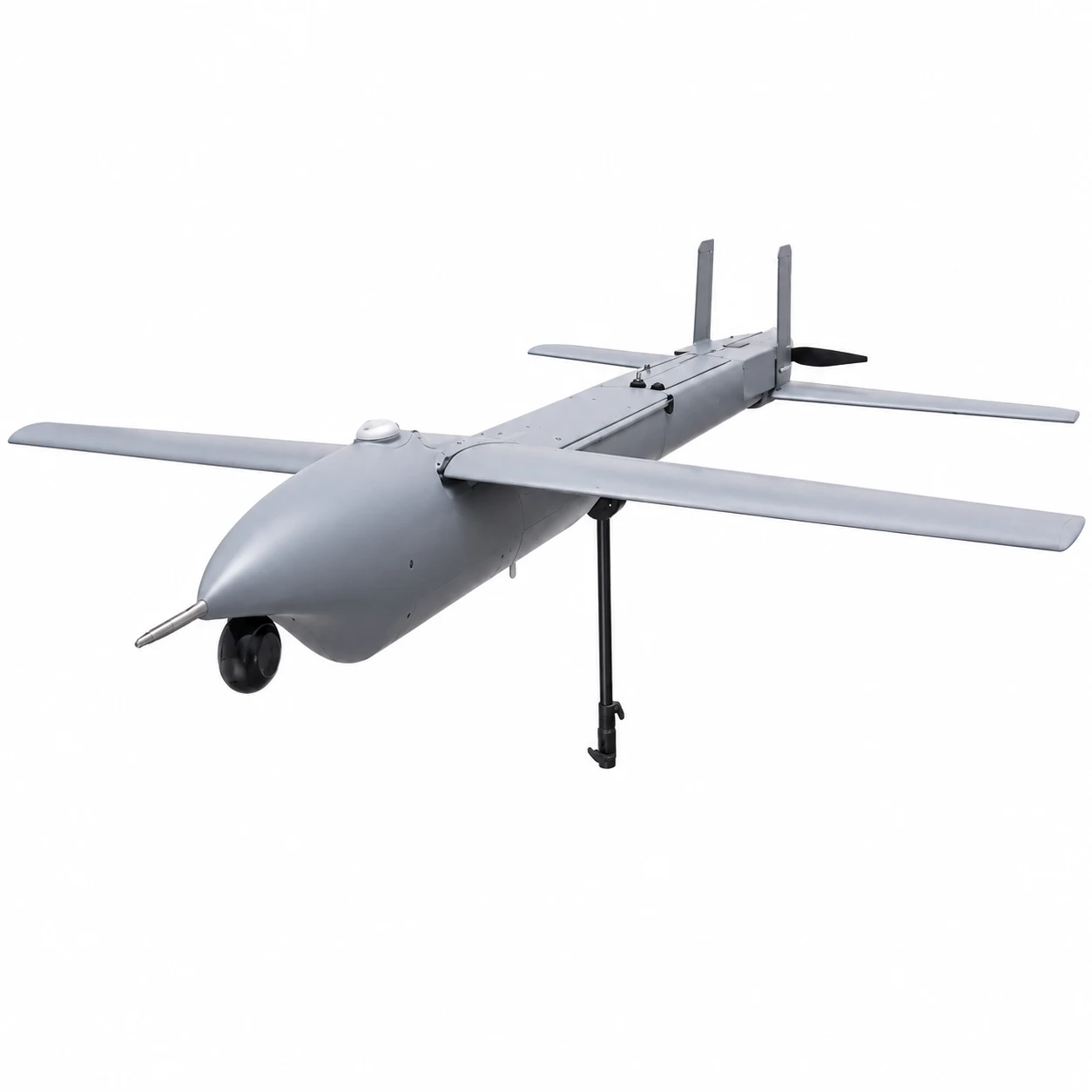
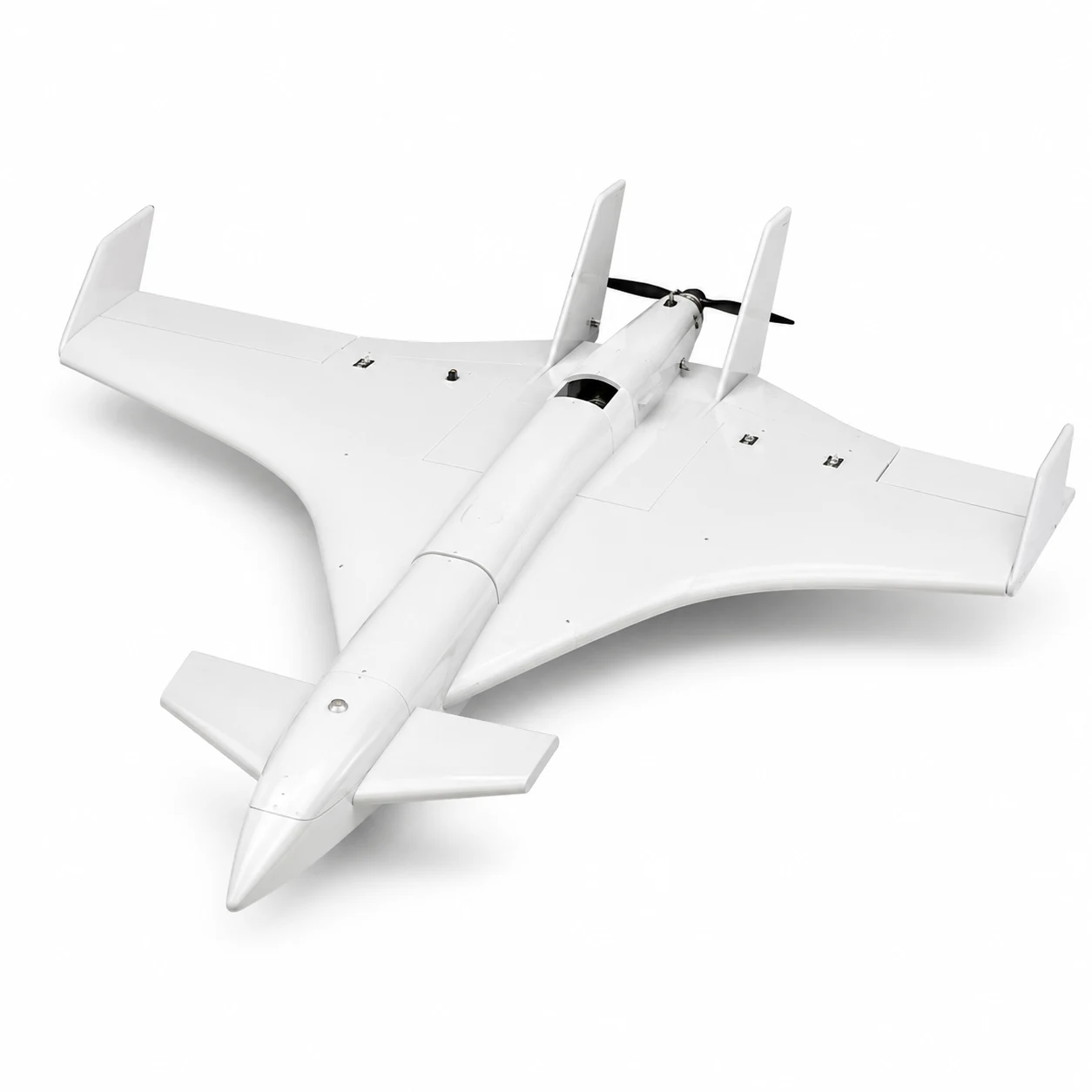
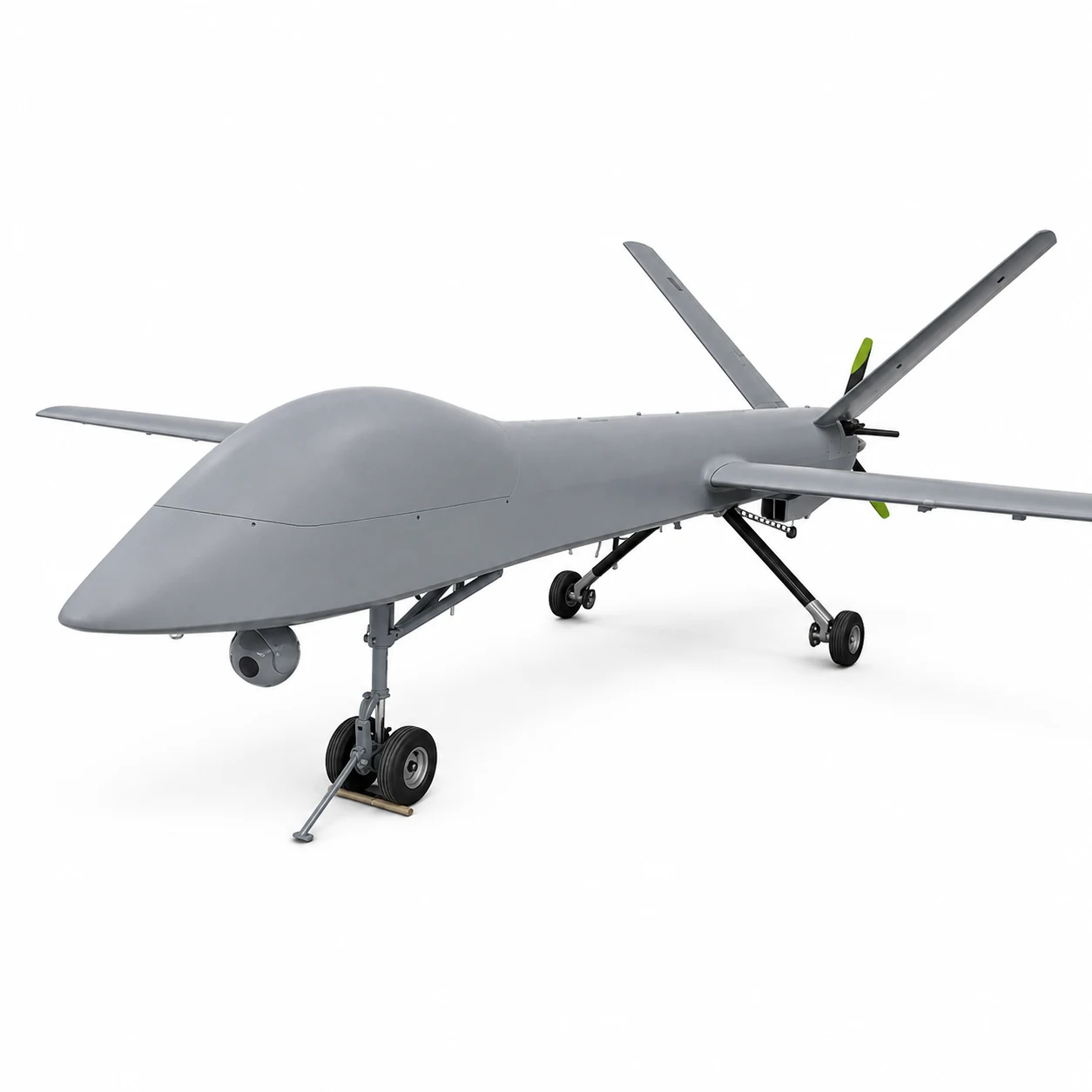
Fixed-wing tactical UAVs are generally preferred when endurance, area coverage, and cruise efficiency matter most. They are suitable for longer patrol routes, extended surveillance windows, and wider mission footprints where forward flight efficiency is important. Platforms such as HY1600G, HY700, and Type 14 Tactical Fixed-Wing UAV are more relevant when buyers need fixed-wing mission performance.
VTOL Fixed-Wing Tactical UAVs
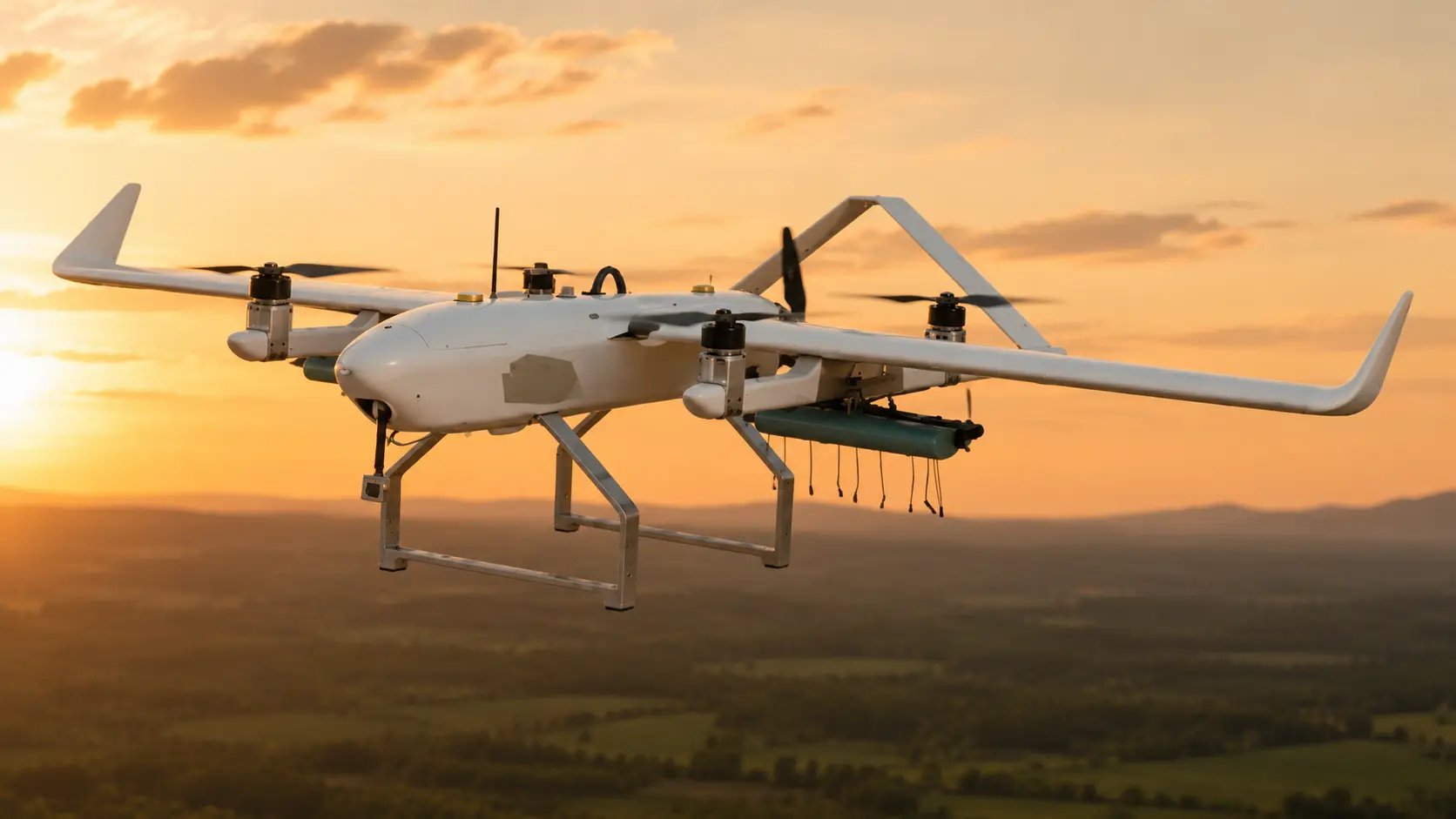
VTOL fixed-wing UAVs are useful when operators need fixed-wing endurance but do not have a runway or catapult-friendly launch site. They are often more suitable for mountainous terrain, temporary sites, field teams, and projects where deployment flexibility is as important as flight duration. Representative options in this category include HY3300 and other hybrid VTOL fixed-wing platforms designed for inspection, patrol, and reconnaissance workflows.
Tactical Multirotor and Rotary Platforms
Tactical multirotor and unmanned helicopter platforms are more suitable when hovering, precise observation, short-cycle deployment, and payload positioning matter more than long-range coverage. These configurations can be more practical for lower-altitude observation, compact launch environments, and tasks that require slower, more controlled payload operation.
Payload and Integration Considerations
Payload compatibility is one of the most important selection factors in this category. Tactical UAV procurement is rarely only about the airframe. Buyers should evaluate the complete mission package, including payload weight, mounting method, power demand, aerodynamic impact, communication link requirements, and how the payload affects endurance and launch behavior.
Depending on the project, tactical UAVs may support EO payloads, observation cameras, mapping modules, communication relay units, monitoring sensors, or mission-specific integration packages. If the payload is central to the project outcome, platform selection should begin with payload constraints first and then move to endurance, range, and deployment method.
What Procurement Teams Should Evaluate
For tactical UAV sourcing, buyers usually get better results when they compare platforms against five practical questions. First, what is the real mission radius or coverage area? Second, what payload must the UAV carry in normal field conditions? Third, what launch and recovery constraints exist on site? Fourth, what level of route automation or manual control is required? Fifth, how easy is the platform to maintain and redeploy in field conditions?
These questions are often more useful than comparing maximum numbers alone. A long-endurance UAV that is difficult to launch in the operating environment may be less practical than a slightly shorter-endurance VTOL platform that fits the mission site better. The same logic applies to payload-heavy systems that reduce endurance beyond acceptable mission thresholds.
Deployment Environments and Field Reality
Defense and tactical UAV platforms are often evaluated for use in remote areas, border regions, mountainous terrain, coastal zones, temporary field sites, and other operational environments where logistics, launch method, and communication conditions are not ideal. In these settings, field usability becomes as important as headline specifications.
Teams should think about transport size, assembly time, launch support equipment, recovery method, spare parts planning, power or fuel support, and communication configuration before final procurement. Buyers who define these field conditions early usually make better platform decisions and reduce downstream integration risk.
How to Choose the Right Tactical UAV Platform
If your project focuses on long-area patrol, route efficiency, and larger mission coverage, a fixed-wing tactical UAV is often the better fit. If your project needs runway-free deployment with better area efficiency than a standard multirotor, a VTOL fixed-wing UAV is usually the stronger option. If your mission requires precision hover, low-altitude observation, or compact-site deployment, tactical multirotor or rotary platforms may be more suitable.
For mixed operational needs, many buyers compare more than one platform type before final procurement. That is often the right approach. Tactical UAV selection is strongest when it is based on the actual mission workflow rather than on a single performance figure. For adjacent capabilities, buyers may also review Counter-Drone Systems and Industrial Security Patrol UAVs when building broader low-altitude security or surveillance programs.
Commercial Terms and Project Planning
For international B2B orders, we currently support FOB and CIF trade terms only. Buyers are responsible for local import procedures, clearance, duties, taxes, and compliance requirements in the destination country. For accurate project matching, customers should share mission objectives, deployment terrain, payload requirements, expected endurance, launch conditions, and quantity before requesting a quotation through the contact page.