Heavy-Lift Cargo UAVs for Industrial Logistics and Remote Delivery Missions
Heavy-lift cargo UAVs are designed for B2B transport scenarios where payload movement, delivery efficiency, and site access matter more than standard drone imaging functions. For industrial buyers, the real value of a cargo UAV is not only that it can lift weight. It is that the platform can move the right payload, over the required route, into the actual working environment with acceptable stability, efficiency, and deployment practicality.
This category is relevant for industrial operators, construction teams, energy projects, emergency-response planners, logistics integrators, and remote-site operators who need an aerial transport option for field supplies, tools, spare parts, maintenance equipment, or other mission cargo.
What Heavy-Lift Cargo UAVs Solve
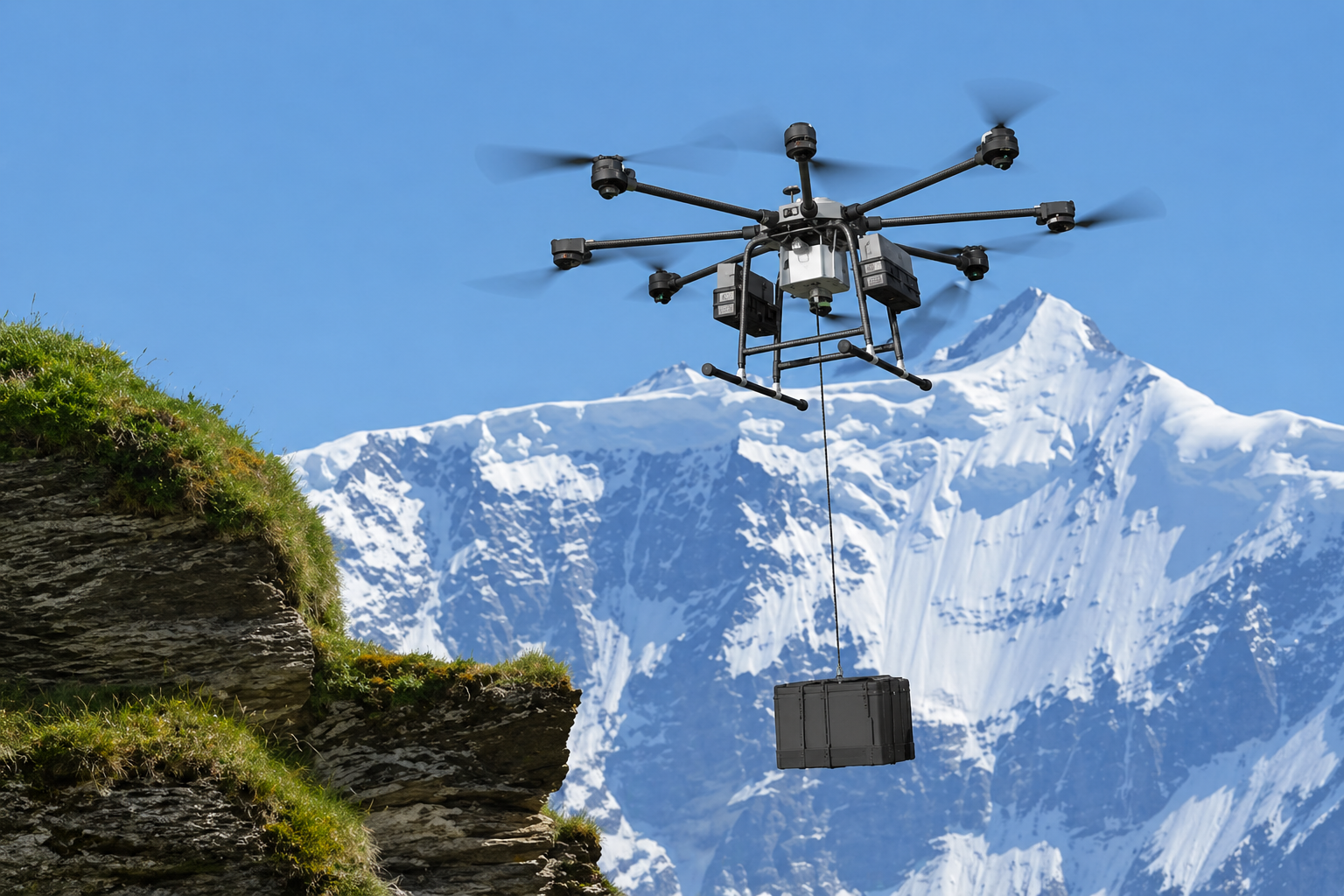
Many transport problems are not solved by a larger vehicle alone. In mountainous terrain, remote project sites, temporary field locations, and complex industrial zones, delivery speed is often limited by road access, route length, terrain barriers, or the time needed to move personnel and equipment through indirect ground paths.
Heavy-lift cargo UAVs help address this problem by creating a more direct aerial logistics path. Their value is strongest where faster access, more flexible routing, and reduced delivery delay can improve operational continuity.
Typical Cargo UAV Use Cases
Common use cases include industrial material transport, mountain logistics, emergency material delivery, construction support, energy-site resupply, maintenance-part movement, and field operation support where payloads must be delivered reliably into environments that are difficult to serve quickly by vehicle.
Some projects require repeated short-range vertical delivery between work zones. Others require longer-range transport into broader field environments. This is why cargo UAV selection should begin with route logic and site conditions rather than with payload figure alone.
Multirotor vs VTOL Cargo Platforms
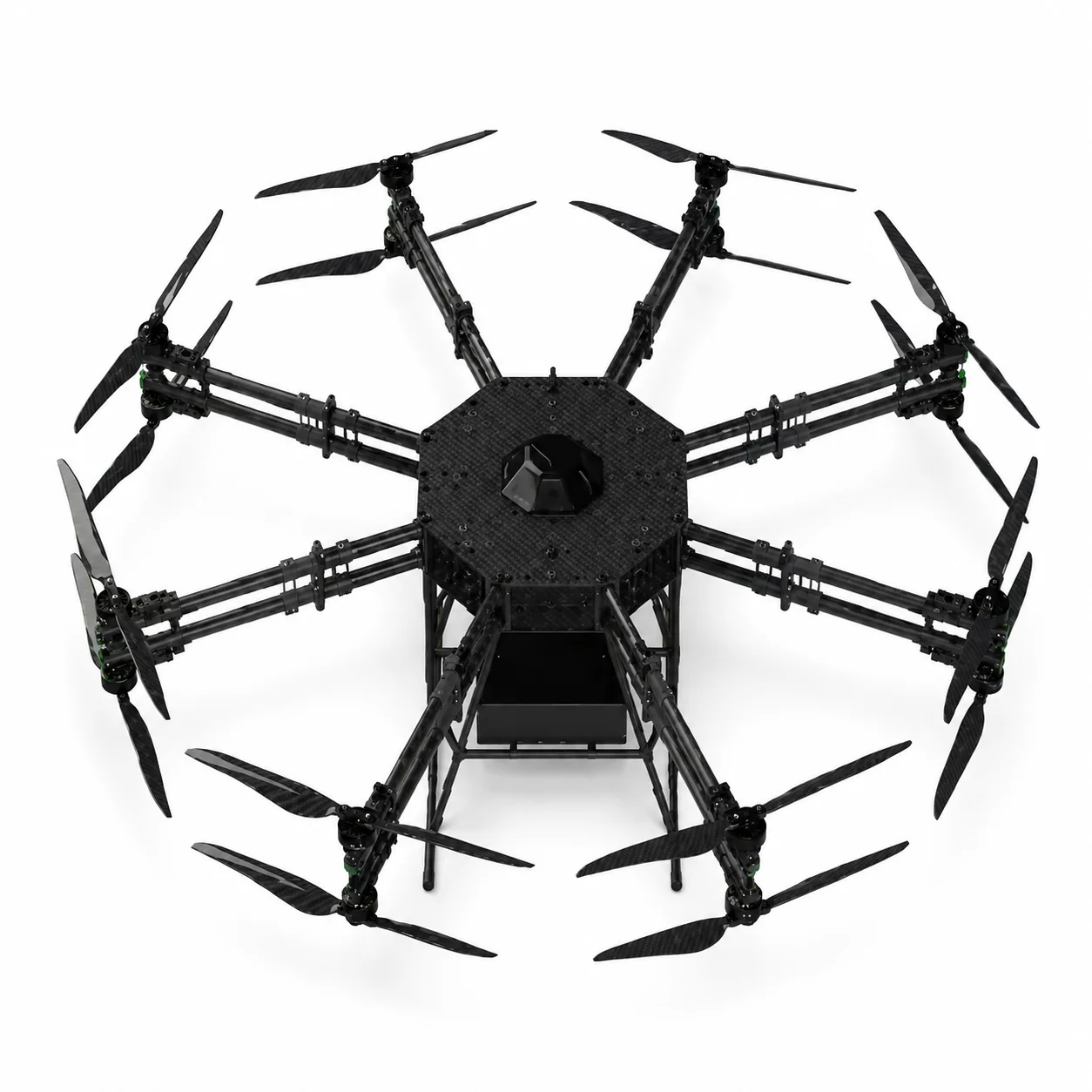
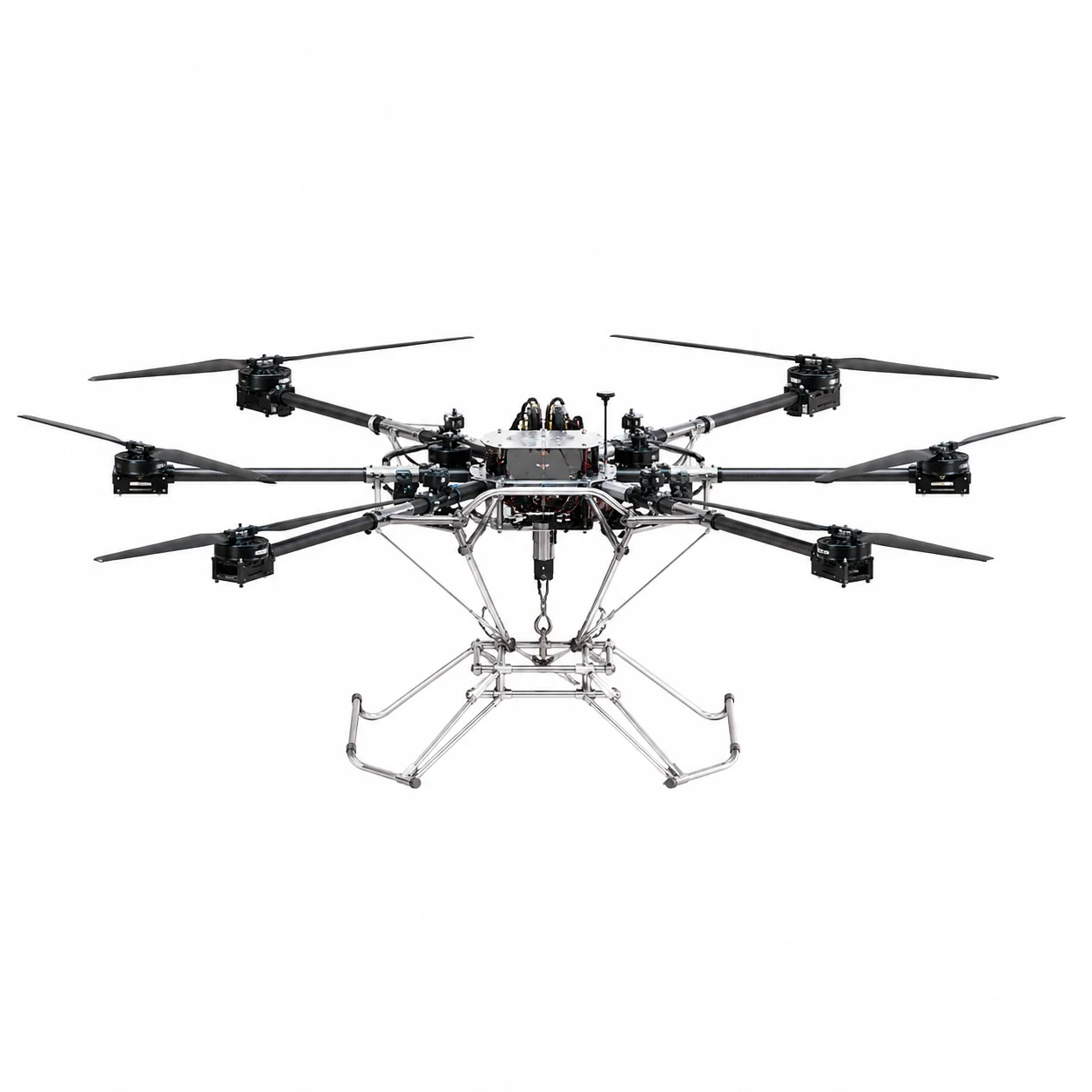
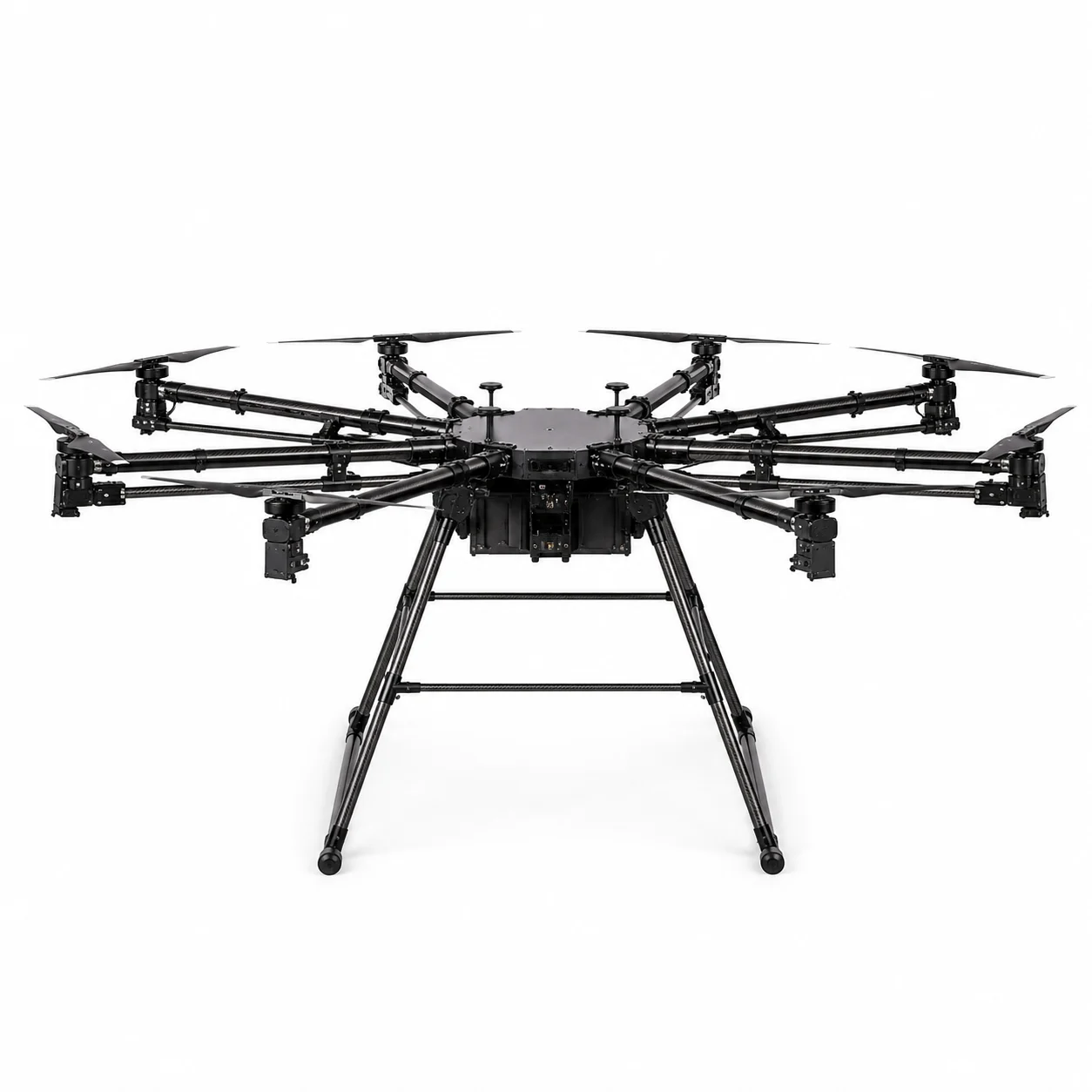
Heavy-lift multirotor cargo UAVs are often more suitable for vertical lift, precise placement, shorter delivery legs, and locations where takeoff and landing space is limited. They can be a practical choice when cargo accuracy, hover control, and lifting strength are more important than long cruise efficiency.
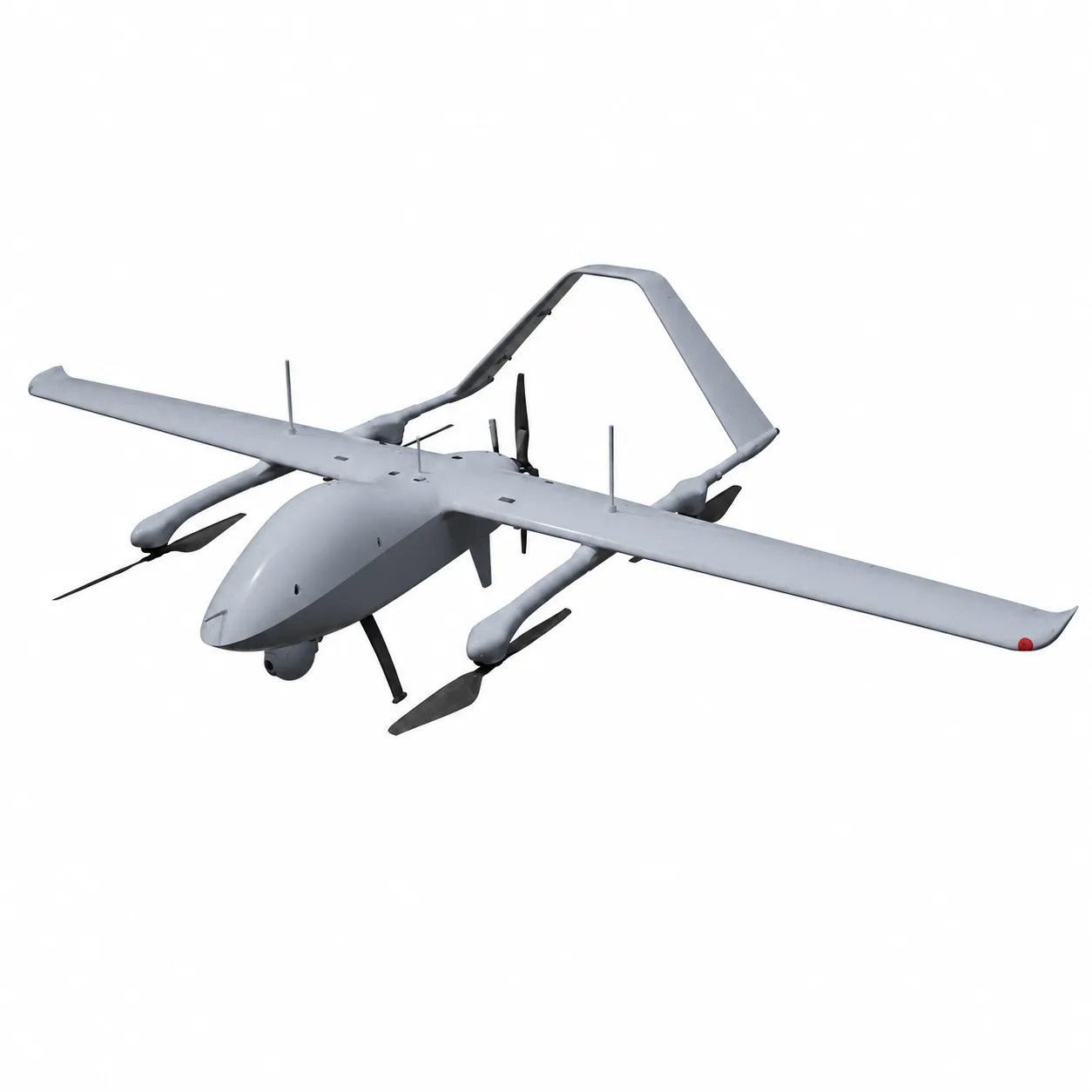
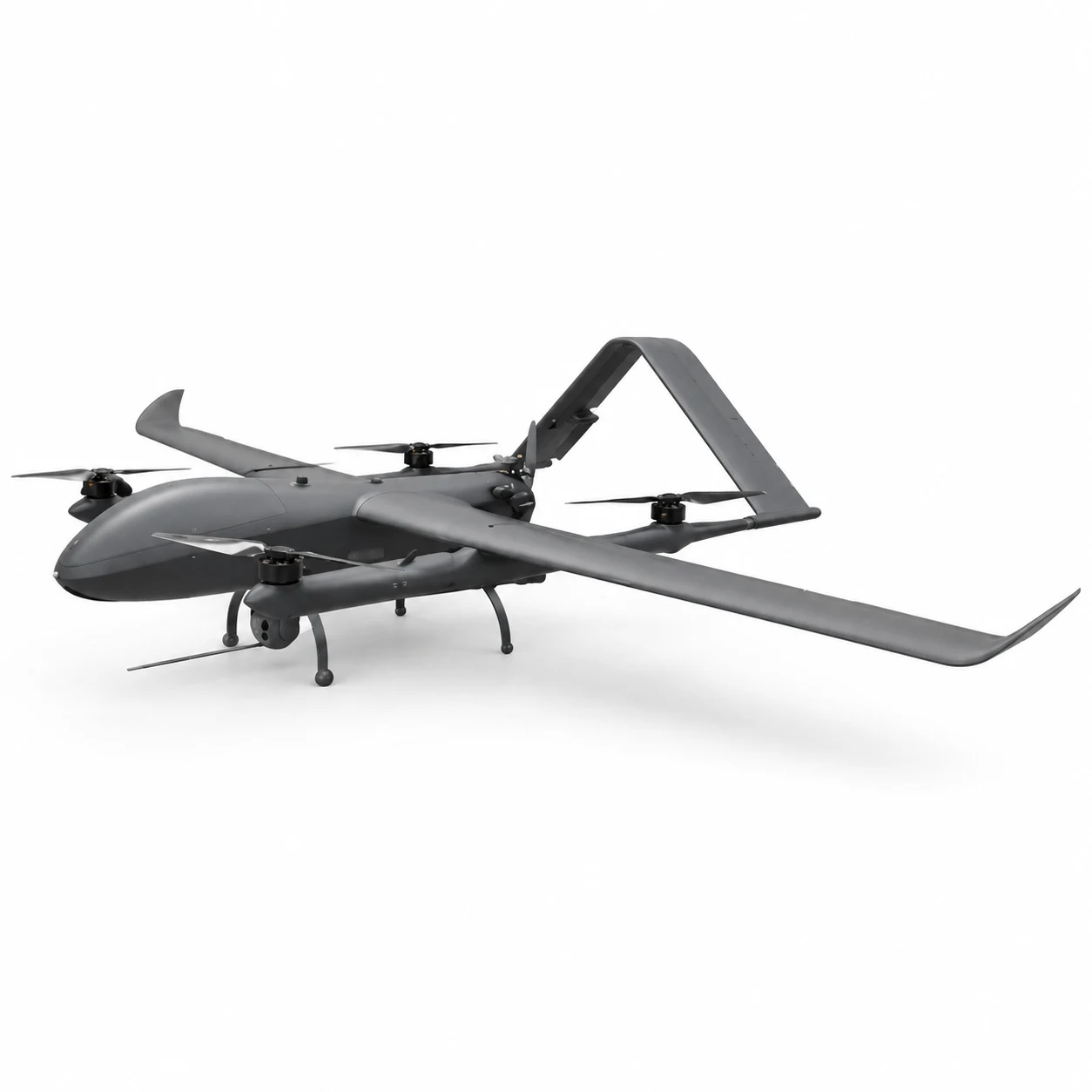
Cargo VTOL fixed-wing platforms are often more suitable for longer routes, wider operating areas, and projects where runway-free deployment is still required but higher transport efficiency over distance is important. For many buyers, the key procurement question is not which architecture is generally better, but which one fits the delivery route and operational pattern better.
What Buyers Should Evaluate Before Choosing a Cargo UAV
Payload weight and dimensions are only the starting point. Buyers should also confirm route distance, delivery frequency, operating altitude, terrain condition, weather exposure, takeoff-and-landing space, cargo handling method, and whether the mission requires precise drop-off, suspended transport, or enclosed cargo carriage.
It is also important to evaluate how the UAV will fit into the wider transport workflow. A cargo UAV should reduce delay and improve access, not create a separate operating burden that makes deployment harder than the transport problem itself.
Why Heavy-Lift UAVs Matter in Remote and Time-Sensitive Operations
In many field operations, the main challenge is not average transportation cost but response time, access reliability, and the ability to keep teams supplied when routes are constrained. Heavy-lift cargo UAVs can become useful where the mission depends on moving equipment or materials faster into elevated, isolated, damaged, or infrastructure-poor areas.
That is why these systems are relevant not only for industrial logistics, but also for emergency material support, project continuity, and mission planning in locations where conventional transport is too slow or too indirect for the task.
Related Capability Pathways
Depending on the deployment model, logistics teams may also evaluate Industrial Inspection UAVs for route and site visibility, review the Cargo Transport Solutions page for broader application planning, and refer to related content such as heavy-lift selection guidance and industrial workflow analysis.
Commercial Terms and Import Responsibility
For international B2B orders, we currently support FOB and CIF trade terms only. Buyers are responsible for local import procedures, customs clearance, duties, taxes, and destination-country compliance requirements. For accurate project matching, customers should share payload requirements, route distance, operating environment, and quantity before requesting a quotation through the contact page.