FPV Drones for Training, Testing, and Custom Platform Development
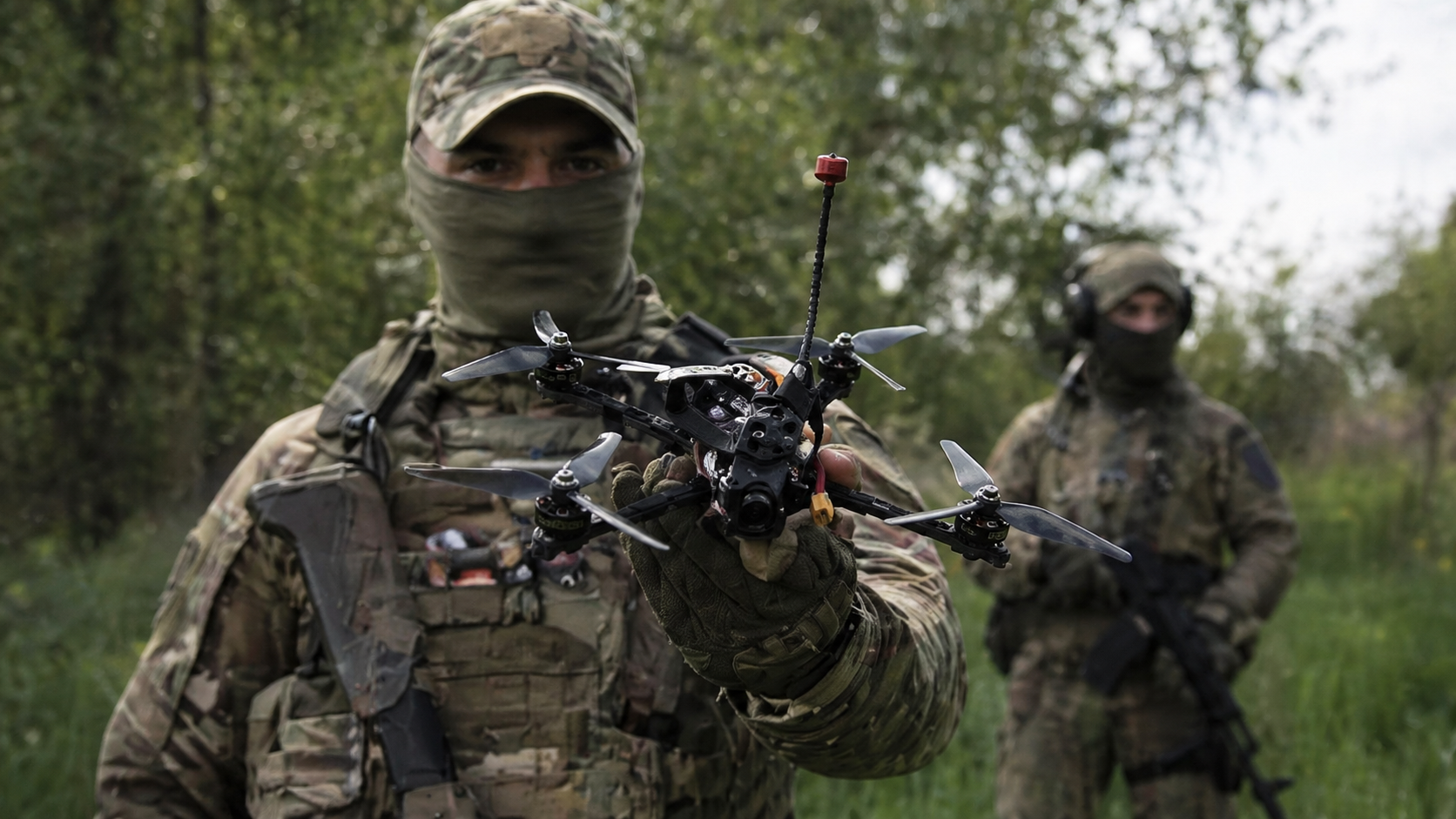
FPV drones are designed for projects where real-time visual control, agile maneuver response, and configurable platform architecture matter more than the stabilized flight logic of standard camera drones. For B2B buyers, the value of an FPV platform is not only in immersive flying. It is in how well the system supports pilot training, testing, development, and project-specific integration goals.
This category is relevant for UAV training providers, distributors, development teams, educational organizations, and customers who need configurable FPV platforms for controlled high-speed flight, manual flight training, demonstration, and component-level customization.
What FPV Drones Solve in Professional Use
Many projects need a drone platform that gives operators direct control feel, immediate visual feedback, and more active maneuvering logic than standard stabilized UAVs provide. In these cases, FPV drones offer a practical route for training, performance testing, and custom build development where responsiveness and configuration freedom matter.
Their role is different from that of inspection, mapping, or fully stabilized camera platforms. FPV systems are most useful when the project depends on manual control behavior, agile movement, testing flexibility, or specialized component selection.
Typical FPV Platform Use Cases
Common use cases include pilot training, high-speed flight testing, custom UAV development, demonstration programs, educational use, and platform evaluation. Some buyers need a compact standard configuration for repeatable training or product trials, while others need a flexible frame and electronics base for further integration.
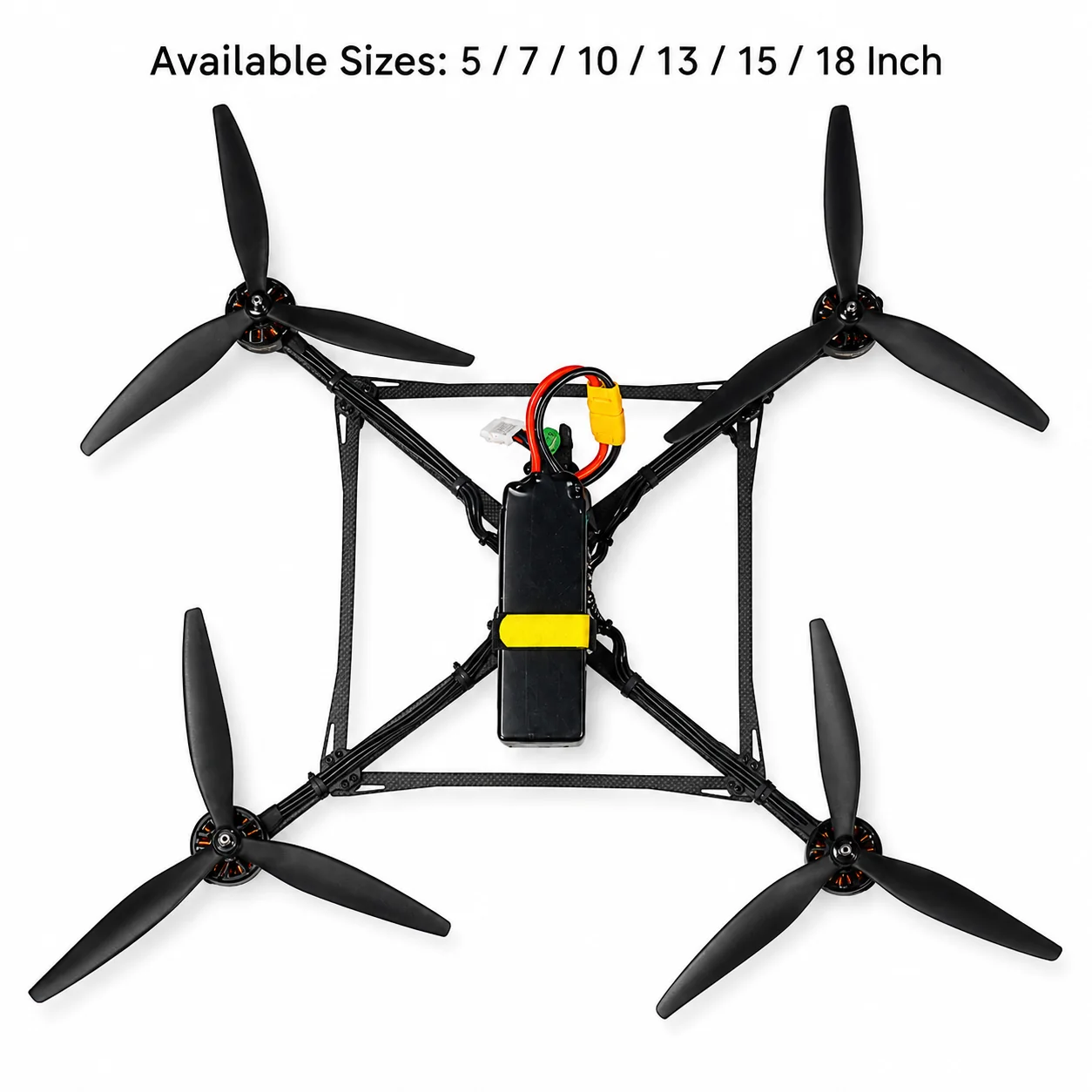
This is why FPV platform selection should begin with the intended workflow rather than with a generic spec-sheet comparison. Frame size, propulsion, video transmission, control link, battery profile, and accessory requirements all affect whether the platform fits the project well.
Standard FPV Model vs Custom FPV Platform
A standard FPV model is often more suitable for buyers who need a defined baseline platform for training, testing, or controlled deployment with less setup uncertainty. A custom FPV platform is more suitable when the project requires a specific frame class, customized component stack, receiver system, antenna layout, or additional integration work.
For many B2B buyers, the procurement question is not whether custom is always better. It is whether the project benefits more from fast deployment or from deeper hardware flexibility.
What Buyers Should Evaluate Before Choosing an FPV Platform
Buyers should start with the intended application: training, testing, development, controlled high-speed flight, or custom system integration. After that, the important factors usually include frame size, motor and propeller matching, flight controller and ESC stack, video transmission requirements, receiver preference, battery profile, and expected flight behavior.
It is also important to confirm whether the buyer needs a ready-to-fly setup, a semi-configured platform, or a project-ready custom build. The best FPV platform is the one that matches the technical workflow and operator capability, not simply the fastest advertised option.
Why FPV Drones Matter for Training and Development
For many organizations, FPV systems are valuable because they help bridge practical piloting, platform evaluation, and hardware experimentation. A suitable FPV drone can support repeatable training, shorten early-stage testing cycles, and provide a more direct way to evaluate component combinations and flight behavior.
This makes FPV drones relevant not only for controlled pilot training and evaluation programs, but also for B2B training environments, development programs, and customers who need a configurable UAV platform rather than a fixed off-the-shelf product.
Related Capability Pathways
Depending on project goals, buyers may also review Industrial Inspection UAVs for more stabilized mission workflows, or explore related content such as industrial workflow insights and inspection deployment analysis. For direct configuration support, customers can also contact our team through the contact page.
Commercial Terms and Import Responsibility
For international B2B orders, we currently support FOB and CIF trade terms only. Buyers are responsible for local import procedures, customs clearance, duties, taxes, and destination-country compliance requirements. For accurate project matching, customers should share the intended application, preferred frame size, transmission requirements, and quantity before requesting a quotation.