Firefighting Drones for Thermal Monitoring and Incident Awareness
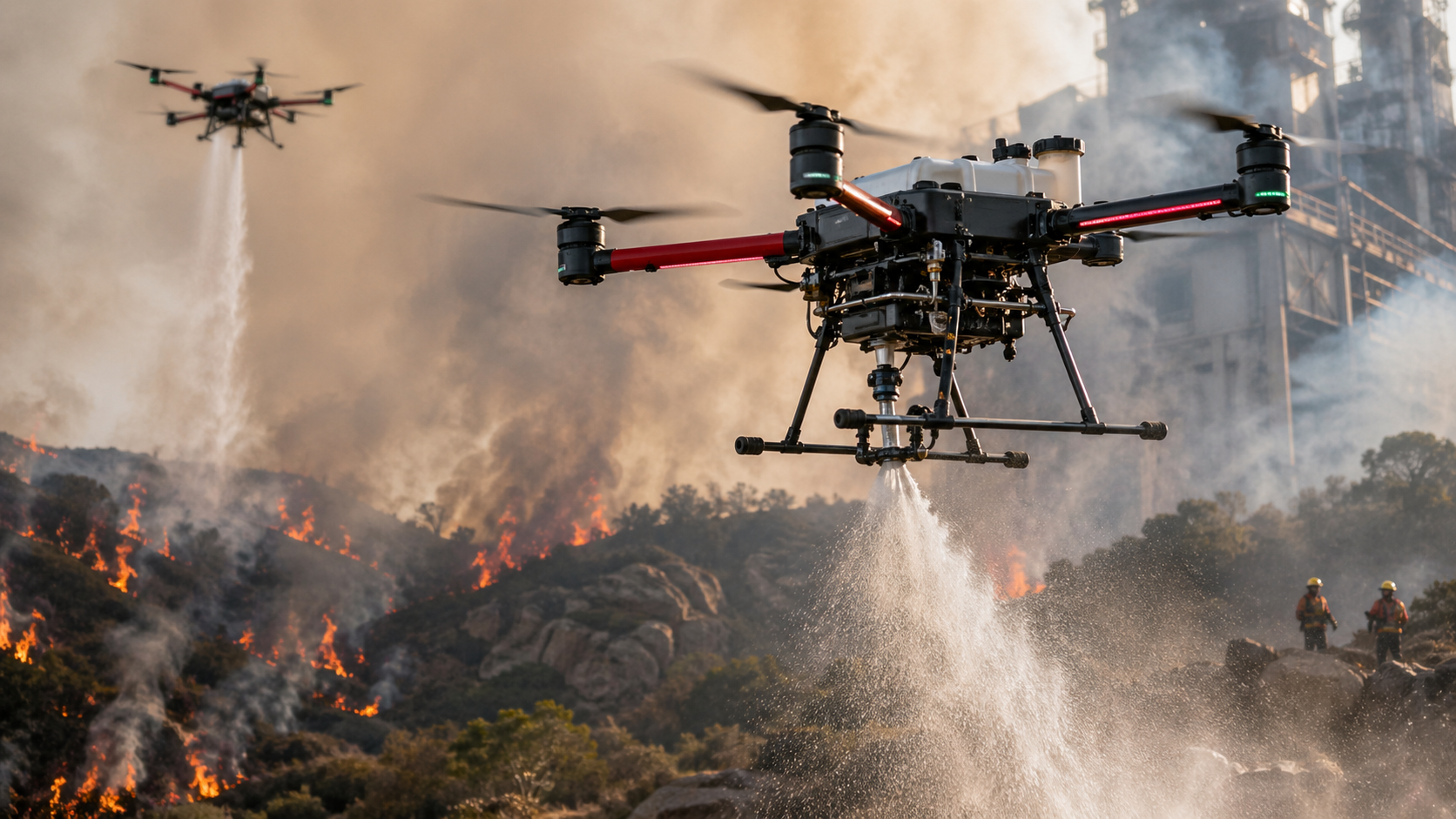
Firefighting drones are designed for emergency scenarios where teams need faster aerial visibility, stronger thermal awareness, and safer access to scene intelligence than ground observation alone can provide. For B2B buyers, the real value of a firefighting UAV is not only that it can fly over an incident. It is that the platform can support command decisions, reduce uncertainty, and help response teams understand dangerous conditions more quickly.
This category is relevant for fire departments, public safety agencies, industrial emergency teams, wildfire response units, and buyers who need structured UAV support for thermal monitoring, search support, and fireground scene assessment.
What Firefighting Drones Solve
In active fire incidents, the most difficult problem is often not lack of response effort but lack of rapid scene understanding. Smoke, darkness, heat, unstable terrain, and access limitations can make it hard for teams to confirm the location of hotspots, judge the spread pattern, or understand safer movement routes from the ground.
Firefighting drones help close this gap by providing a mobile aerial layer for thermal monitoring, incident visibility, and command-level observation. Their value is strongest when teams need faster confirmation and better decision support under time pressure.
Typical Firefighting UAV Use Cases
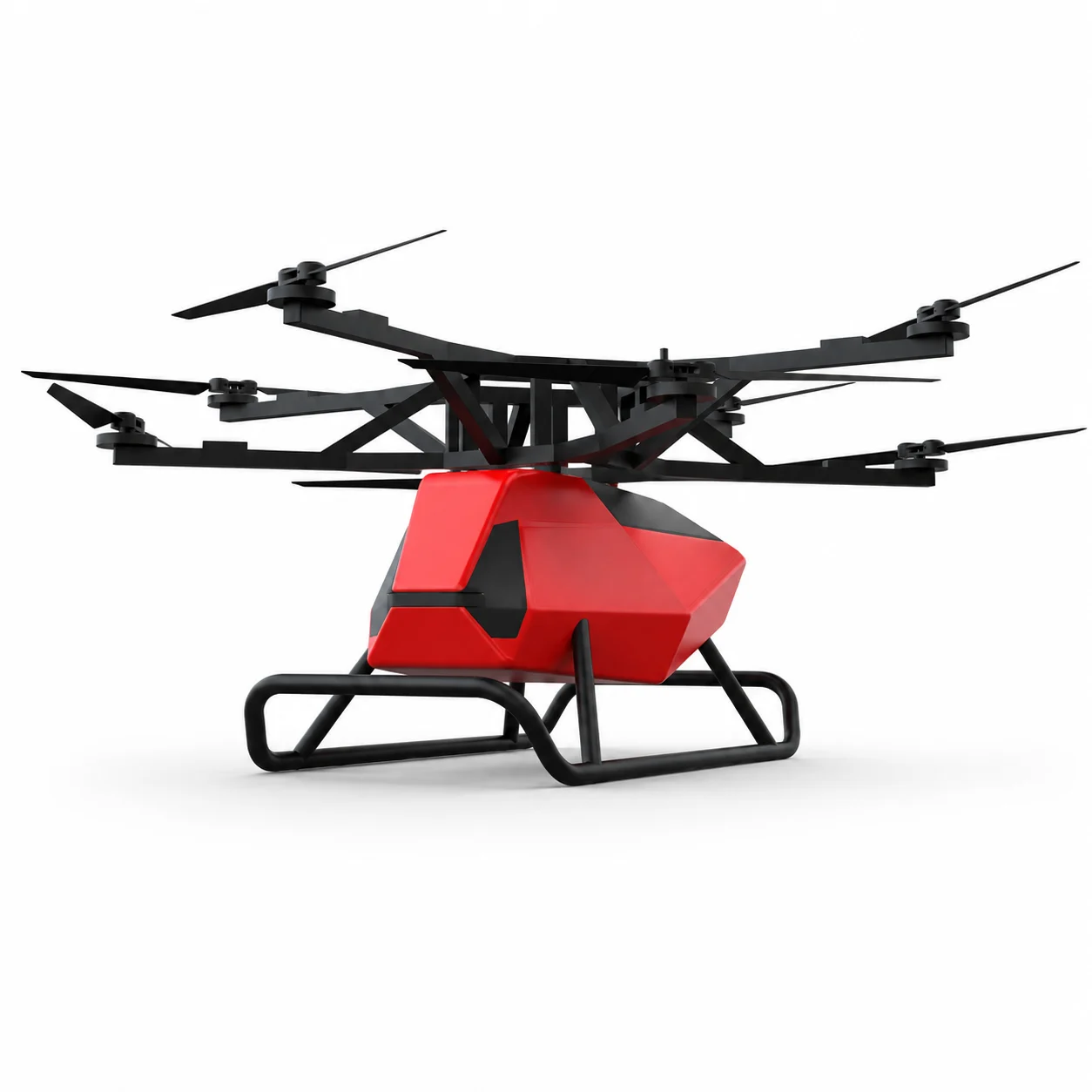
Common use cases include wildfire perimeter observation, hotspot detection, urban fire scene assessment, industrial incident monitoring, search-and-rescue support, and post-incident damage review. For teams that need a heavier response platform, the YLY-150 is a relevant reference for heavy-lift firefighting and rescue-oriented deployment. In many deployments, the UAV is used not as a replacement for field teams, but as a way to improve what those teams know before they move closer to the hazard.
This is why firefighting UAV selection should begin with the operating scenario, payload requirement, response workflow, and whether the project needs a compact observation UAV or a heavier platform such as the YLY-150 firefighting heavy-lift UAV.
Wildfire, Urban, and Industrial Fire Environments
Wildfire operations often prioritize area visibility, fire-edge monitoring, thermal assessment, and scene evolution awareness over wider terrain. Urban and industrial incidents may place more emphasis on confined operating space, low-visibility assessment, rooftop or structural observation, and safer command-level visibility around critical infrastructure.
Because these scenarios differ, the right firefighting drone should be selected according to environment, payload need, communication requirement, and how the UAV supports the actual emergency process.
What Buyers Should Evaluate Before Choosing a Firefighting Drone
Thermal payload quality is one of the most important factors, but it should not be evaluated alone. Buyers should also confirm deployment speed, endurance, communication reliability, weather exposure, visual payload support, and how the UAV will be used inside the incident command structure. A firefighting UAV should help teams make decisions faster, not create an extra layer of field complexity.
It is also useful to define whether the platform will mainly support fireground observation, search-and-rescue coordination, industrial emergency assessment, or mixed emergency tasks. That choice strongly affects configuration priorities.
Why Firefighting UAVs Matter for Safer Response
For many emergency organizations, the most important gain is not simply having a drone in the air. It is reducing uncertainty before personnel move deeper into the scene. A suitable firefighting UAV can help teams verify thermal conditions, improve command visibility, identify possible access routes, and build a better understanding of incident development in less time.
This makes firefighting UAVs relevant not only for active flame monitoring, but also for response planning, rescue support, and post-incident assessment where safer situational understanding matters.
Related Response Pathways
Depending on the emergency model, teams may also evaluate Public Safety & Rescue Solutions, Security & Patrol Solutions, and related content such as fireground situational-awareness workflows. For configuration support and deployment planning, customers can also contact our team through the contact page.
Commercial Terms and Compliance
Emergency UAV deployment should follow applicable local aviation rules, command protocols, and operating authorization requirements. For international B2B orders, we currently support FOB and CIF trade terms only. Buyers are responsible for local import procedures, customs clearance, duties, taxes, and destination-country compliance requirements. For accurate project matching, customers should share the intended fire-response scenario, payload needs, and quantity before requesting a quotation.