
 Counter-Drone Systems
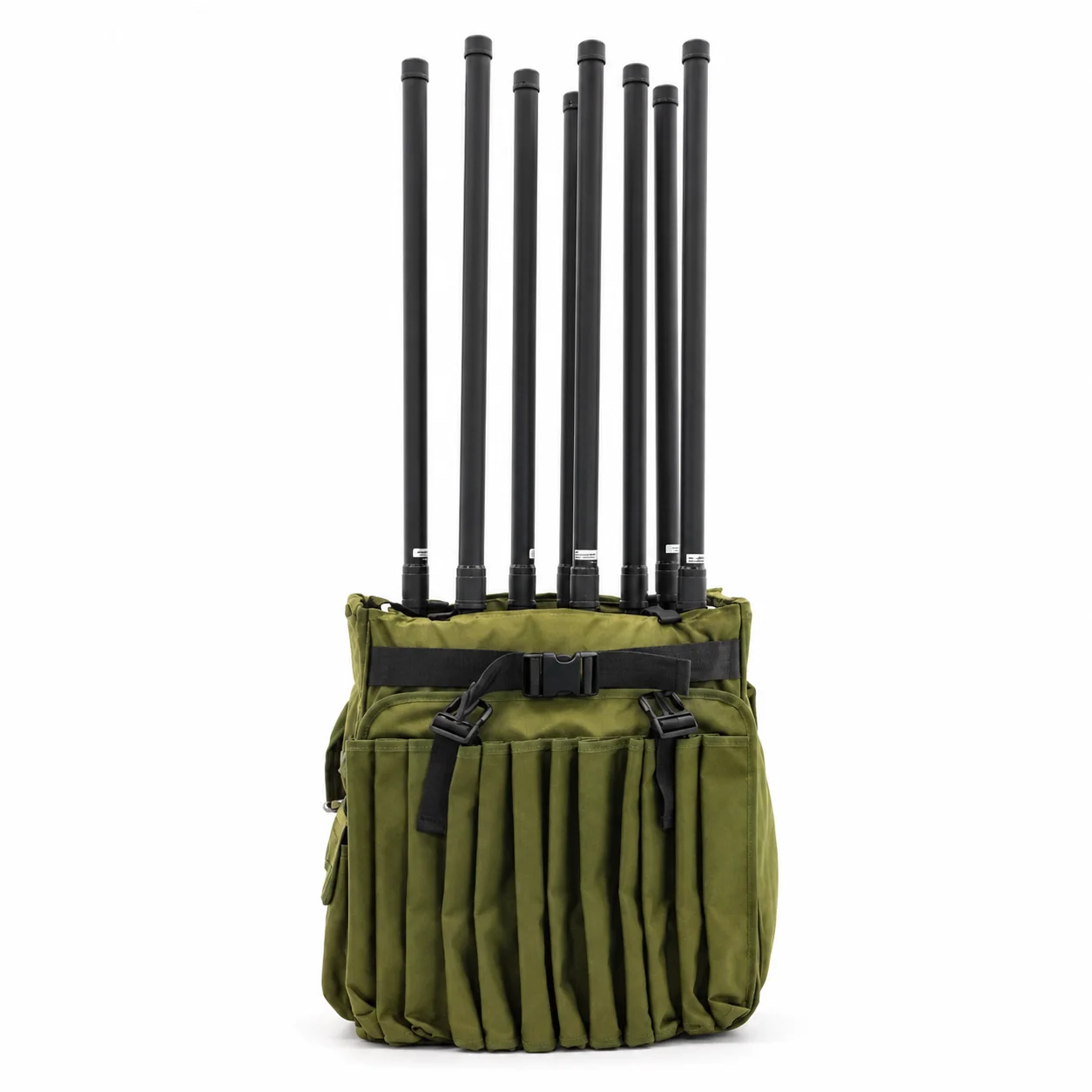
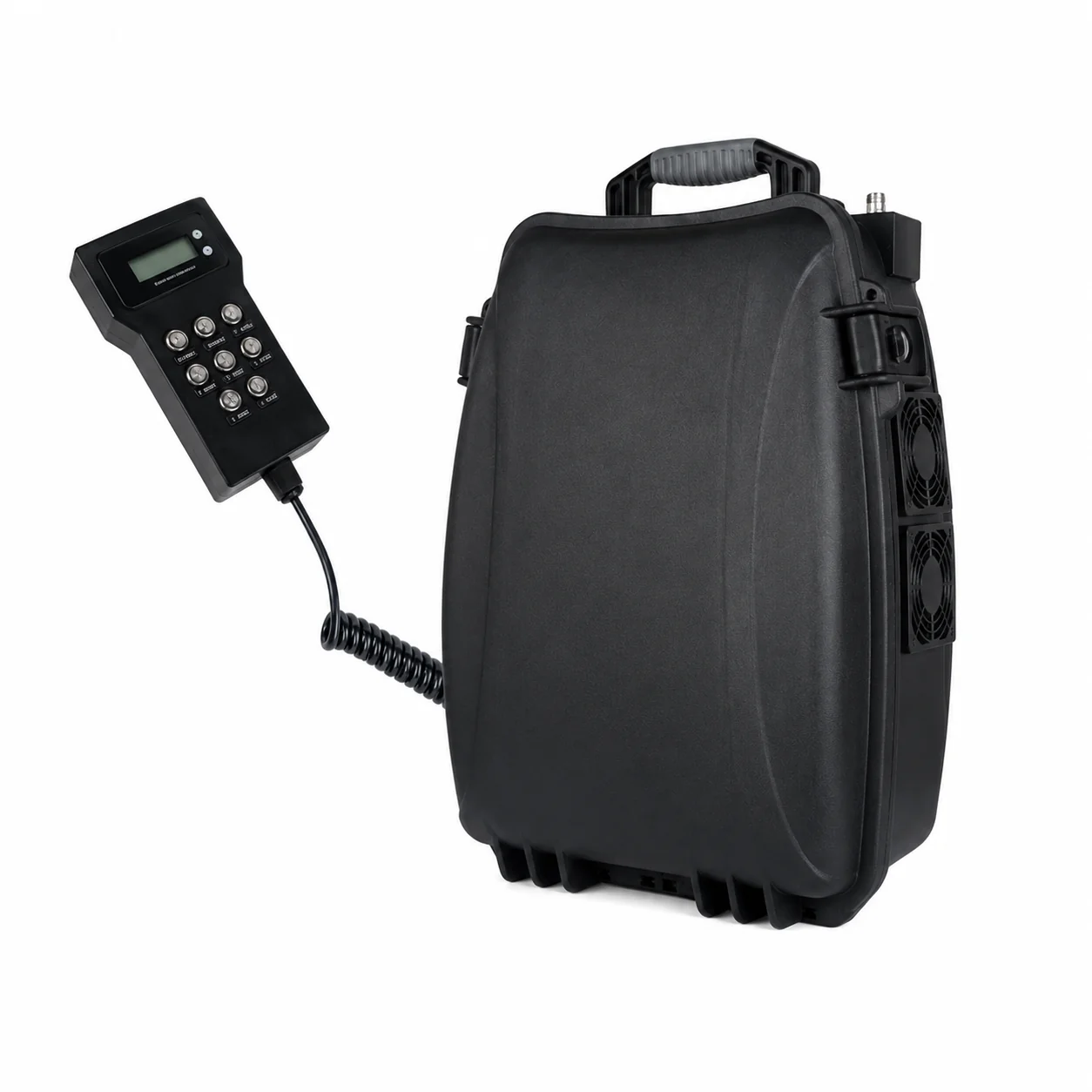
BJ012 Backpack-Mounted Counter-Drone Jammer
The BJ012 is a backpack-mounted counter-UAS ja...

The GJ008 is an eight-channel handheld counter-UAV jammer designed for authorized drone defense, public safety, site protection, and low-altitude security applications. By emitting directional electromagnetic jamming signals across configurable drone frequency bands, it helps interrupt communication between unauthorized drones and their remote control or navigation links.
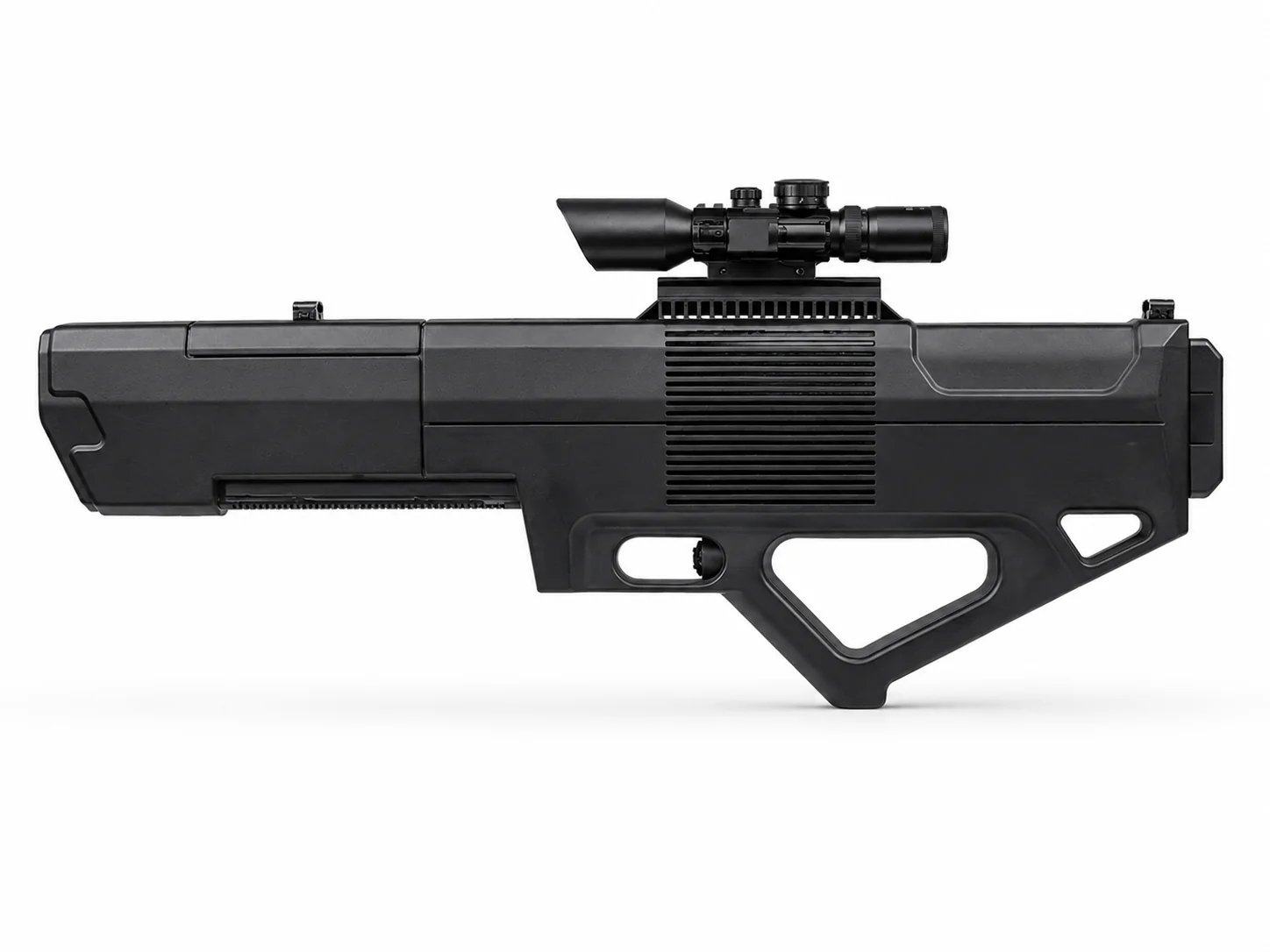
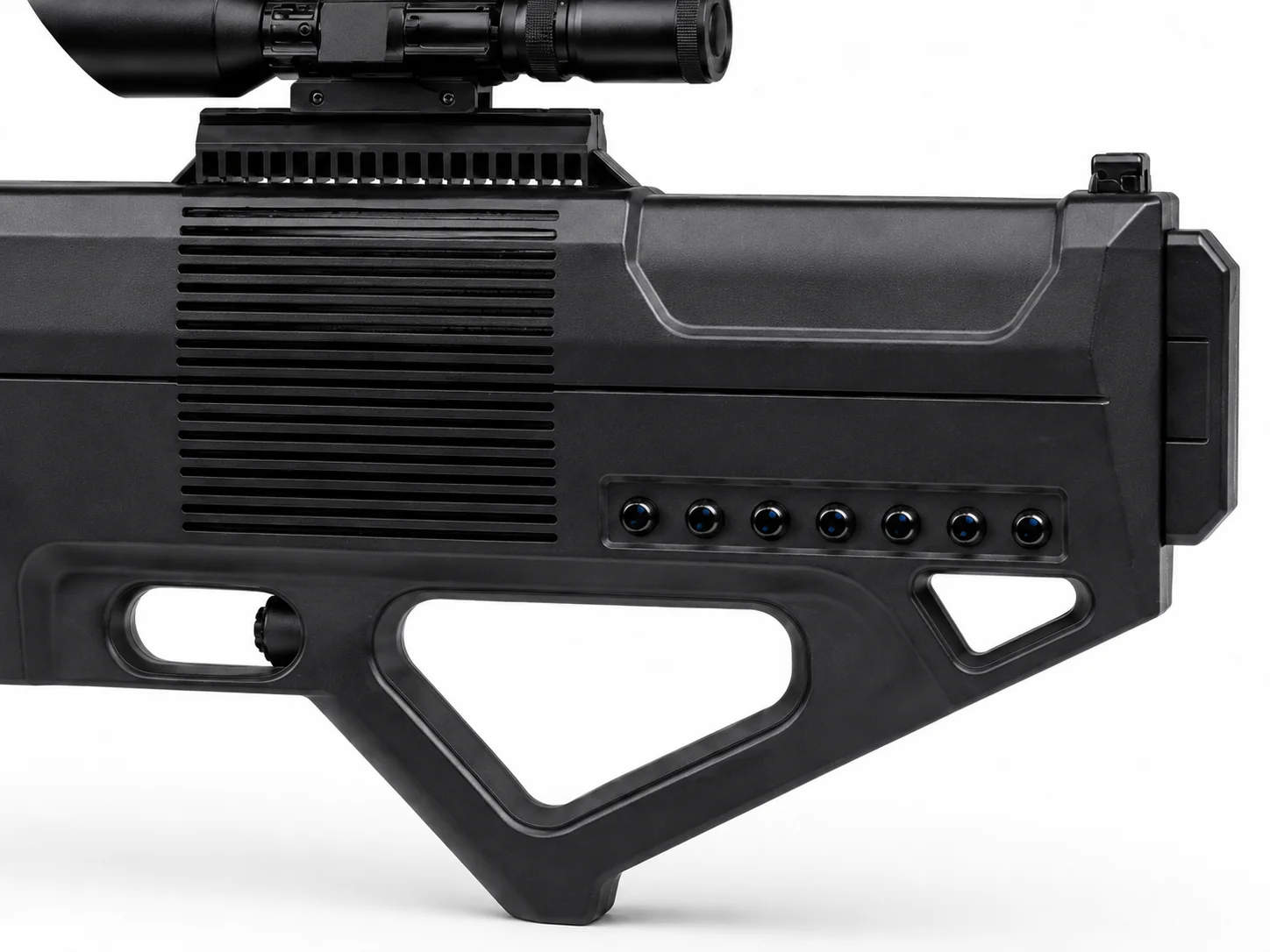
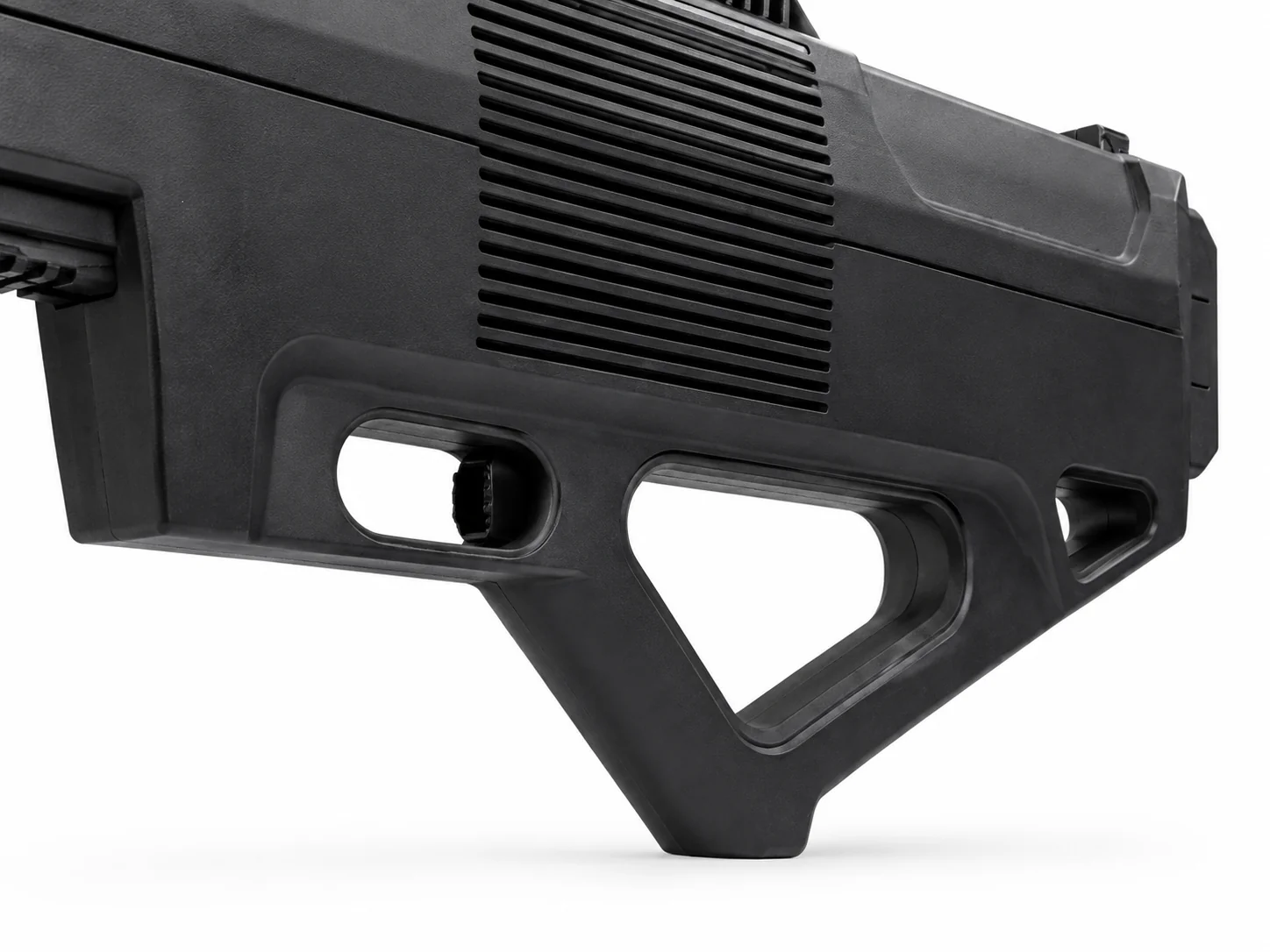
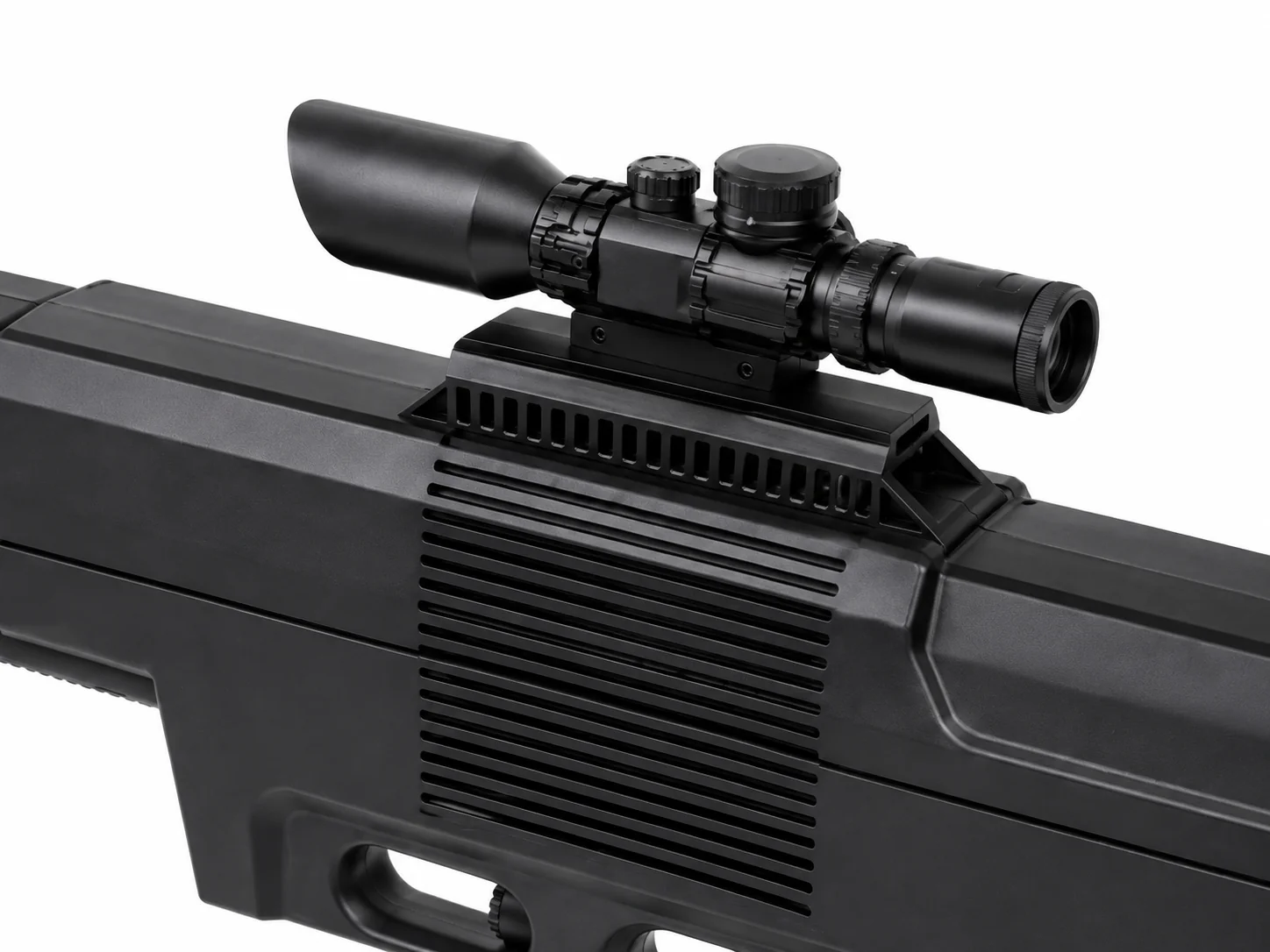
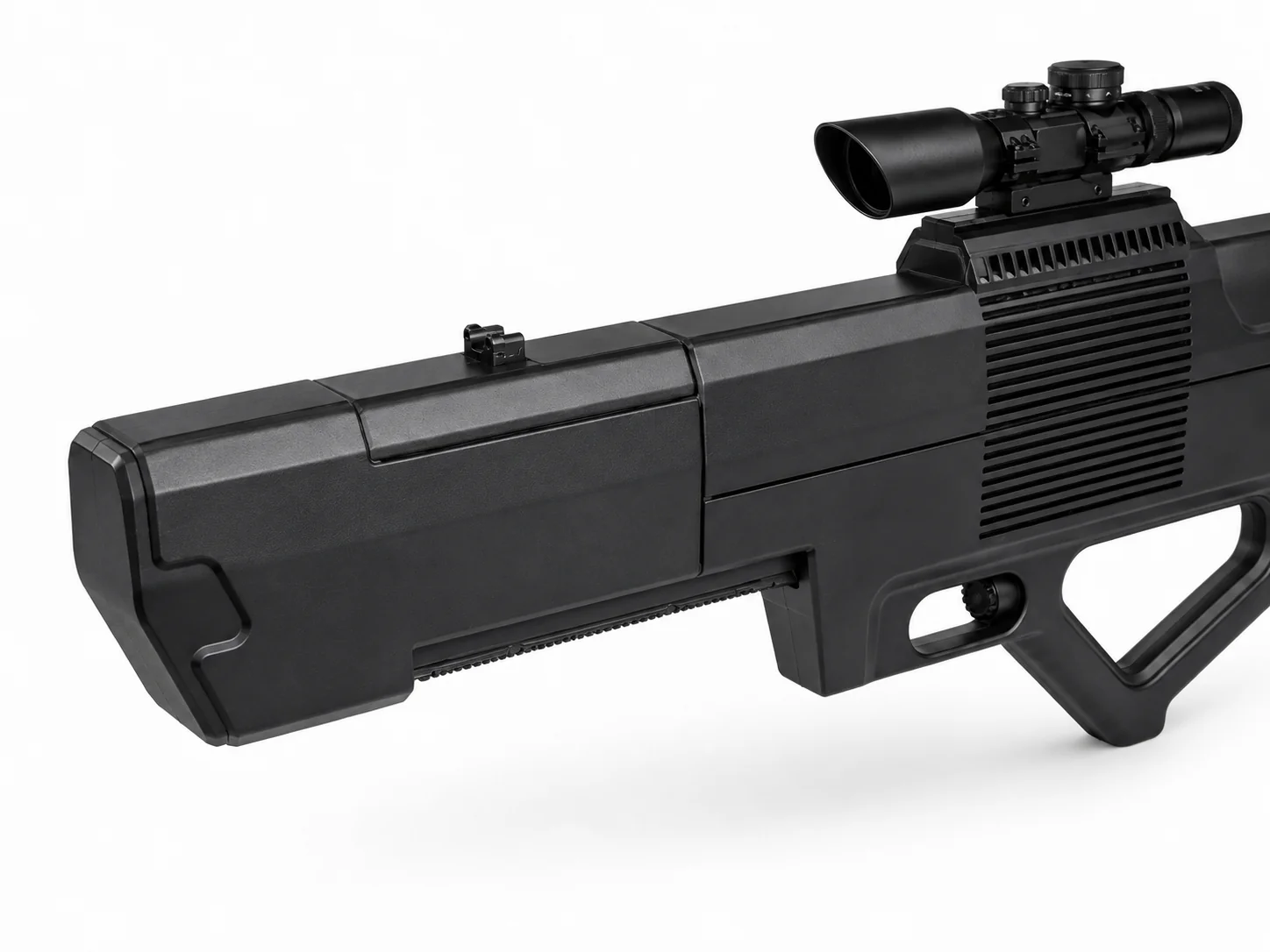
The GJ008 Eight-Channel Handheld Counter-UAV Jammer is designed for professional security teams, public safety agencies, critical infrastructure operators, event security providers, and authorized counter-drone users who need a portable device for rapid field response. It is suitable for low-altitude drone control scenarios around sensitive sites, temporary event zones, border areas, industrial facilities, government buildings, and other protected locations. Compared with fixed counter-drone systems, the handheld design allows flexible deployment by a single operator, while the high-gain directional antenna helps focus interference toward target direction. The device supports customizable jamming bands, replaceable plug-in battery, battery power display, and 30-45 min endurance, making it suitable for mobile security missions and temporary protection tasks. Use, import, and deployment should comply with local radio-frequency, aviation, and public safety regulations.
Explore related products in the Counter-Drone Systems range to compare deployment form factors, response methods, and system integration options for similar project requirements.
Counter-Drone SystemsThe BJ012 is a backpack-mounted counter-UAS ja...
 Counter-Drone Systems
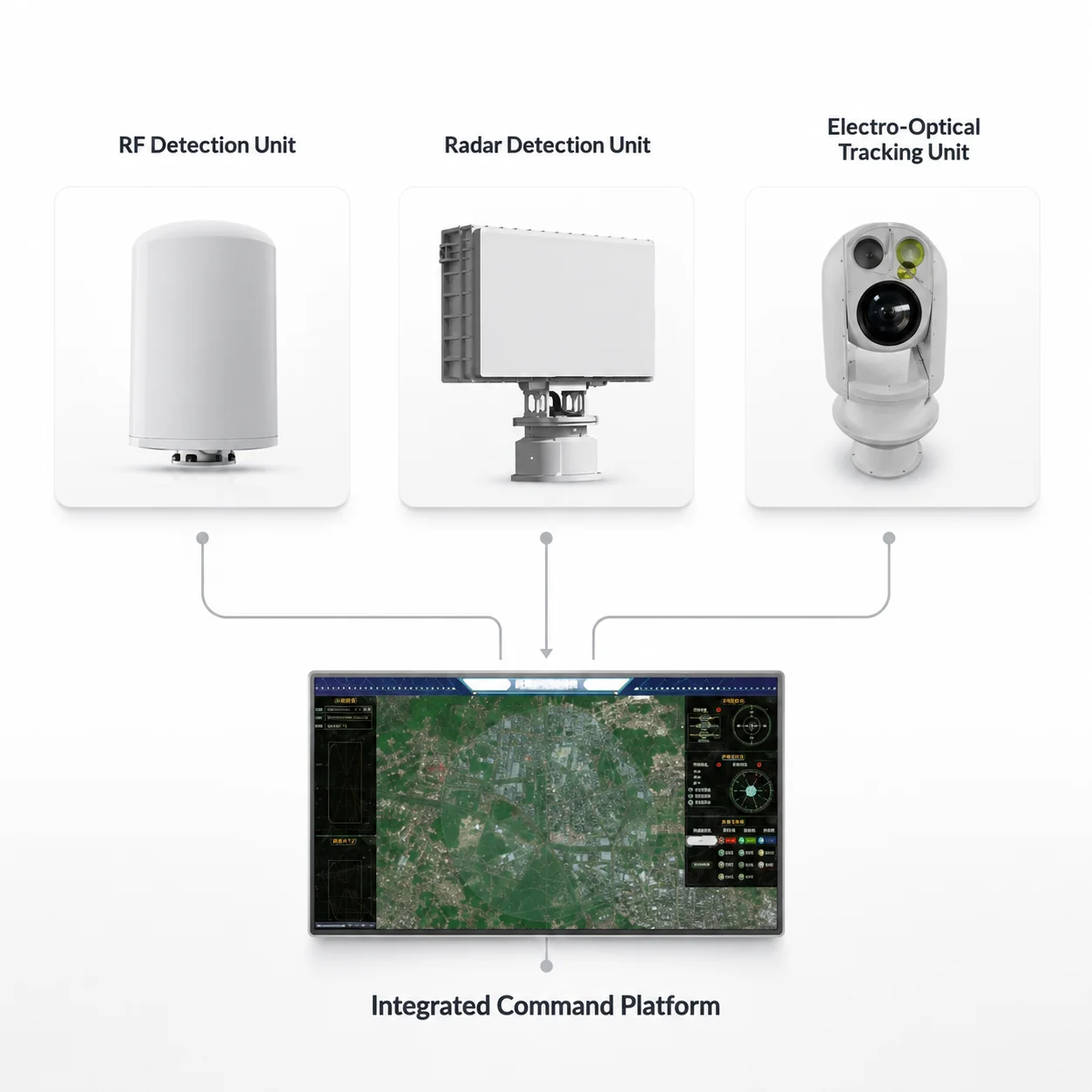
The Integrated Counter-Drone Defense System is...
 Counter-Drone Systems
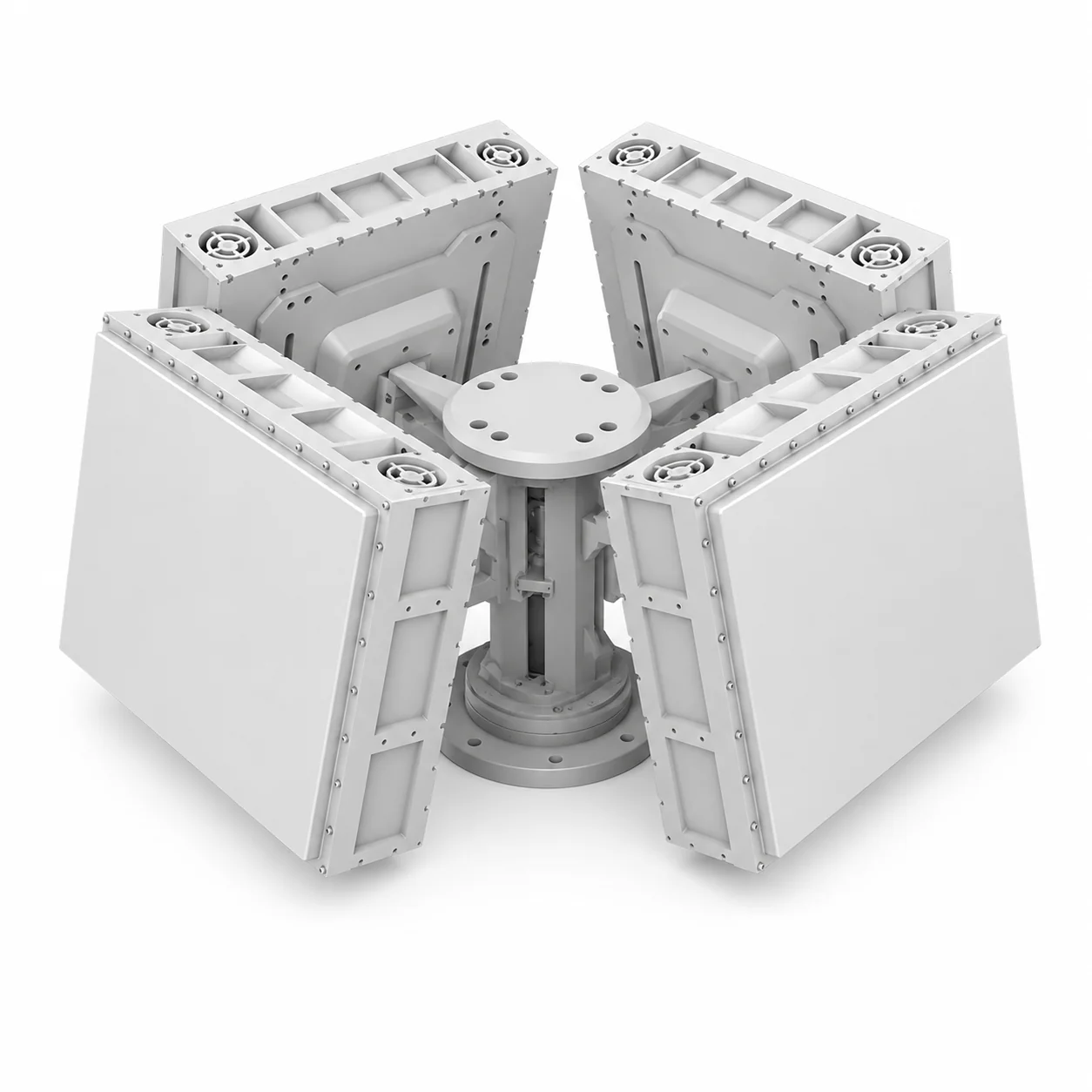
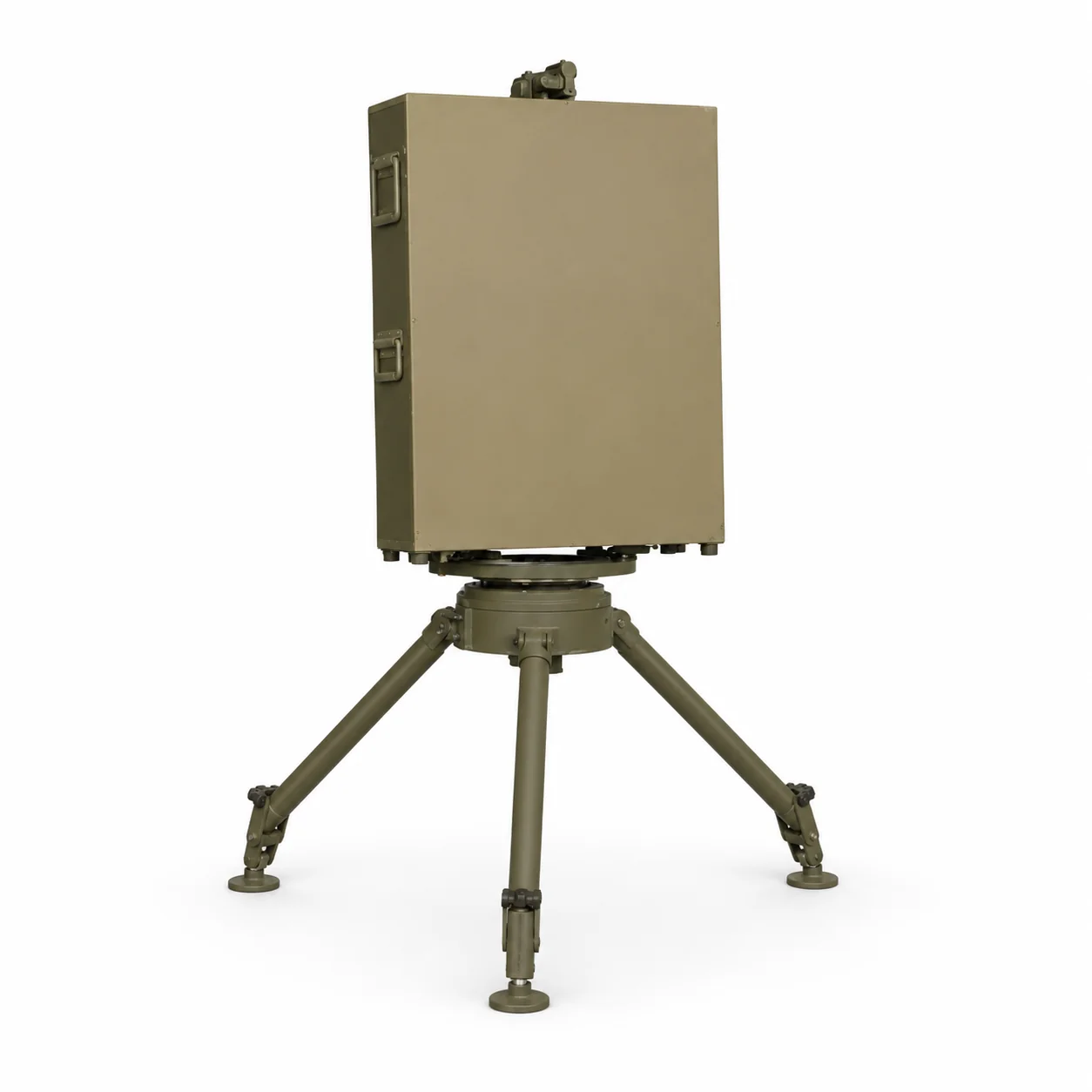
The PA450 Four-Side Phased Array Radar is desi...
 Counter-Drone Systems
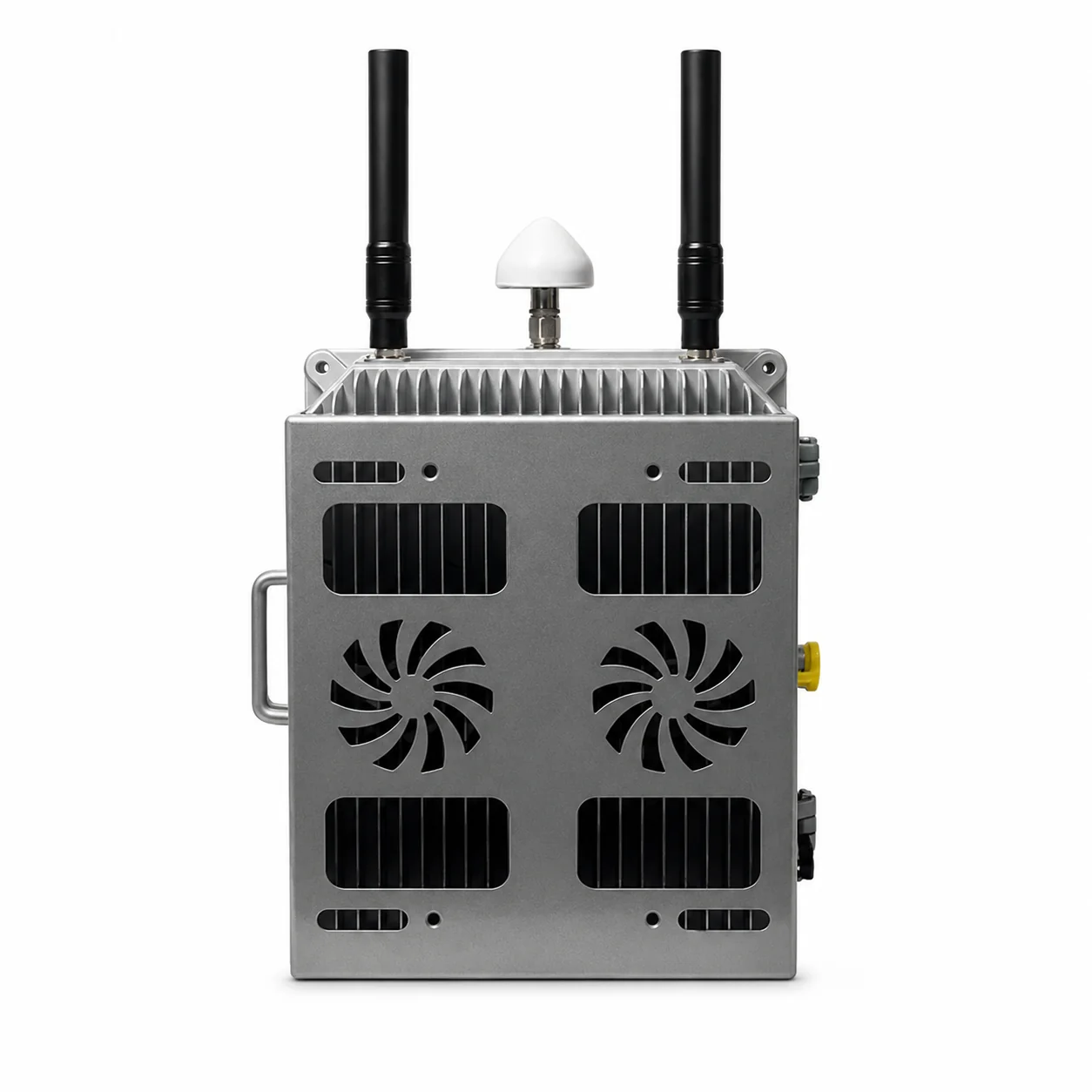
The LM065 Multi-Function Radar is designed for...
 Counter-Drone Systems
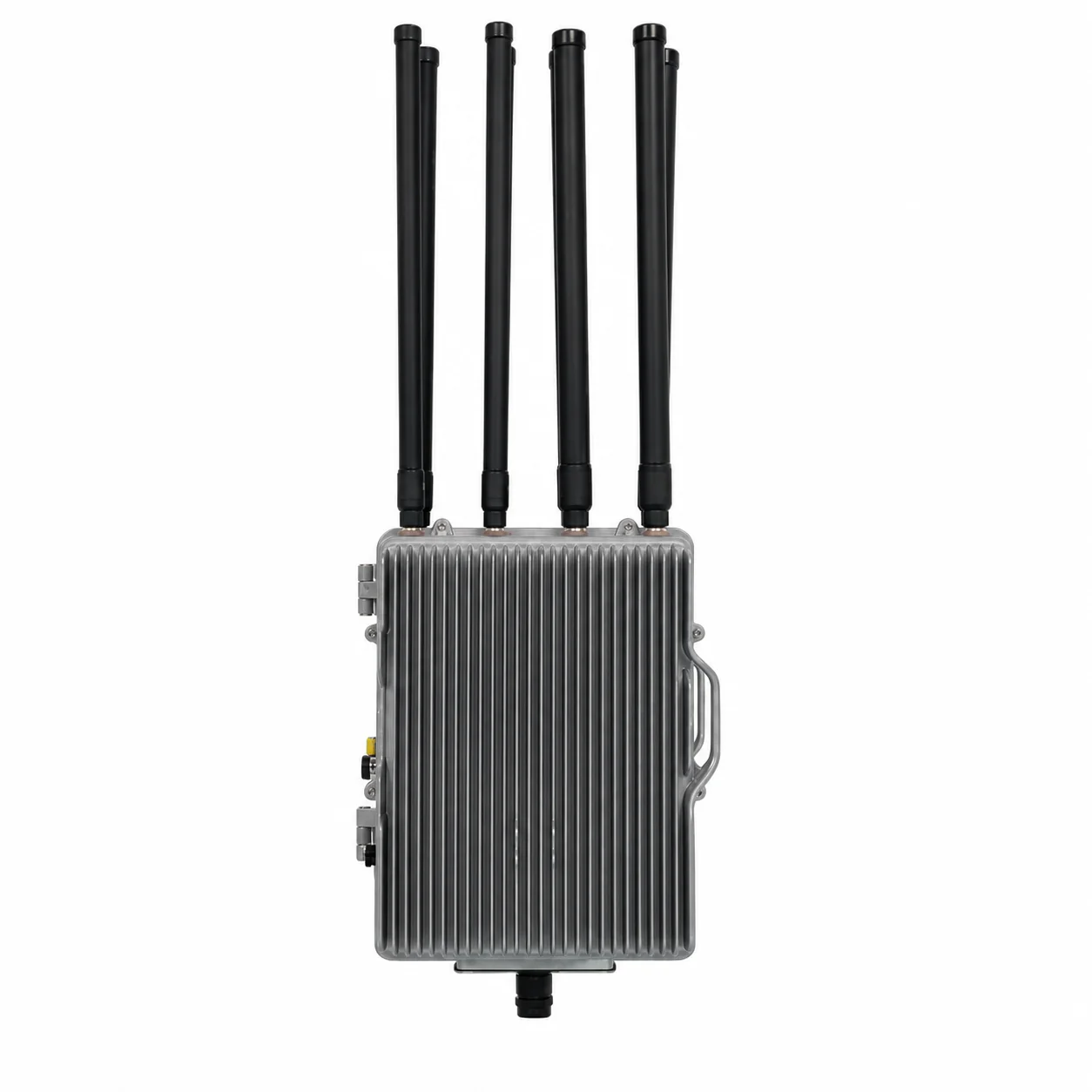
The SJ113 is a highly integrated portable GNSS...
 Counter-Drone Systems
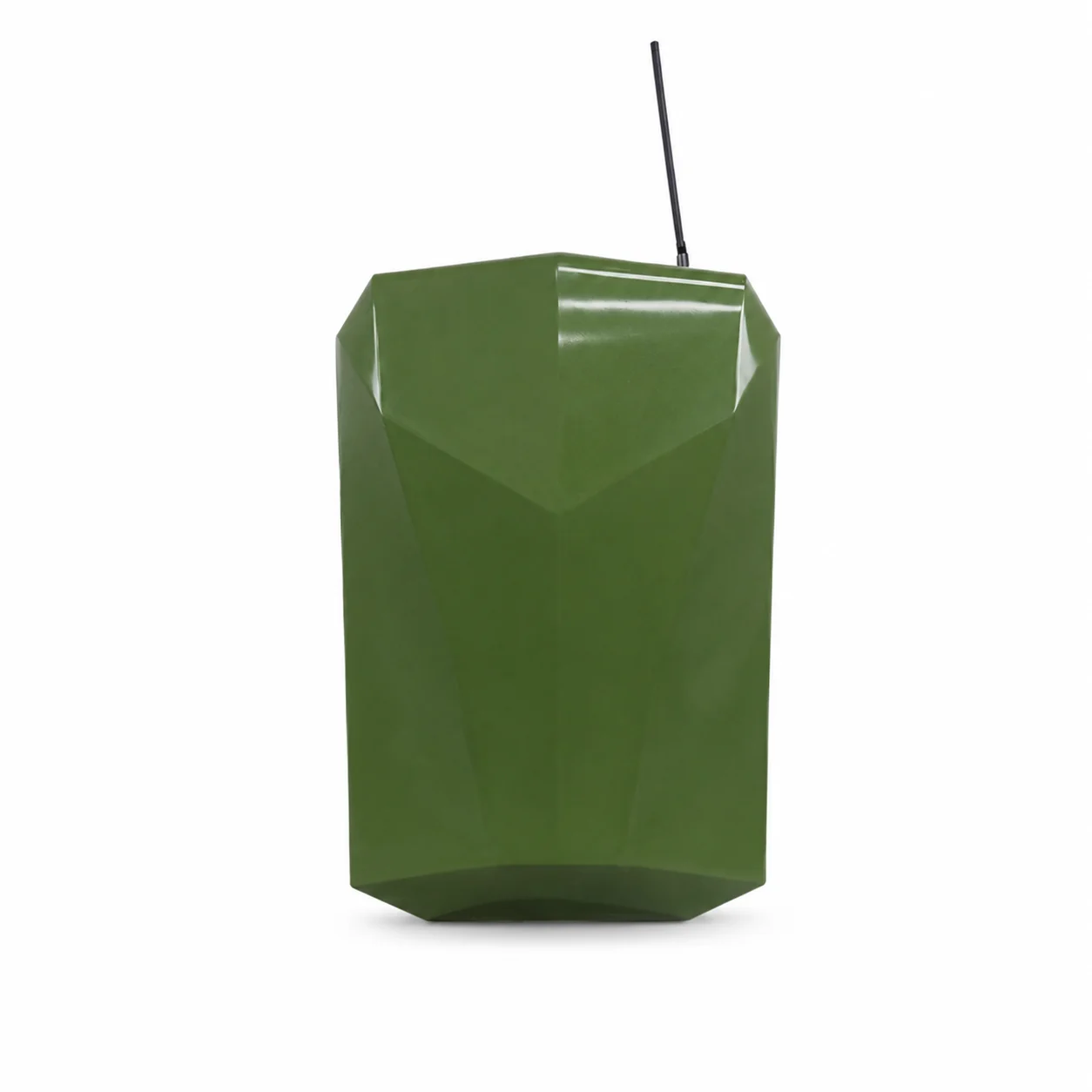
The JM1000 is a fixed chassis-type counter-UAS...
 Counter-Drone Systems
The SJ006 Shield-Type Jammer is designed for a...
 Counter-Drone Systems
The BJ008 is a portable counter-UAV backpack j...
Browse adjacent product categories to find complementary platforms, alternative configurations, and broader solution paths connected to this product line.
Counter-Drone Systems
Counter-drone systems for airports, critical infrastructure, industrial facilities, and public security projects, covering detection, tracking, identification, and authorized response workflows.
Defense & Tactical UAVs
Mission-ready tactical UAV platforms for reconnaissance, surveillance, border patrol, and specialized payload operations in complex environments.
Agriculture UAV Drones
Agriculture UAV drones for spraying, spreading, crop protection, and precision farm operations across commercial field, orchard, and plantation environments.
Firefighting Drones
Firefighting drones for thermal monitoring, hotspot detection, scene visibility, and emergency-response support across wildfire, urban, and industrial fire operations.
FPV Drones
FPV drones for training, testing, custom integration, and configurable first-person flight projects with low-latency control and flexible setup options.
The GJ008 is designed for authorized security users, including public safety units, critical infrastructure protection teams, government security operators, and approved event security providers. Typical scenarios include temporary security zones, sensitive facility perimeter control, border-area low-altitude protection, and emergency response support. It is intended for lawful counter-UAV operations under approved command and regulatory frameworks.
The GJ008 supports customizable jamming bands, including 433M, 900M, 1.2G, 1.4G, 1.5G, 2.4G, 5.2G, and 5.8G. Final band configuration can be tailored to mission-region drone signal characteristics and regulatory requirements. Frequency planning should be confirmed before procurement to ensure operational relevance and legal compliance.
The typical jamming distance is 500-1500 m, depending on antenna alignment, target UAV link condition, terrain, interference level, weather, and line-of-sight quality. In open environments with correct directional aiming, performance is generally stronger than in dense urban or obstructed areas. Site-specific validation is recommended before mission deployment.
The GJ008 provides 30 W channel input optical power per channel. Combined with its high-gain directional antenna, this supports focused suppression in target directions during authorized operations. Actual field effect depends on spectrum congestion, target signal robustness, and operator aiming discipline.
The device is built for handheld field deployment with a weight of 3.6 kg and dimensions of 640*75*265 mm (W*H*L). It is suitable for rapid repositioning and temporary perimeter tasks where fixed systems are not practical. For extended shifts, team rotation and battery planning are recommended.
The GJ008 supports about 30-45 min endurance per battery set, depending on channel usage profile and operating conditions. It uses a replaceable plug-in battery (29.4V, 6.8A) and includes battery power display for real-time power monitoring. This design supports faster field turnaround for mobile missions.
The GJ008 uses directional jamming to focus suppression toward a target sector rather than broad omnidirectional blanket emission. Operational impact still depends on local RF conditions and mission setup. Use should always follow approved rules of engagement, spectrum management plans, and deconfliction procedures.
Recommended pre-deployment steps include mission area RF survey, frequency deconfliction, legal authorization check, target-drone profile confirmation, battery/logistics planning, and communication coordination with command and safety teams. These steps improve mission safety, effectiveness, and regulatory compliance.
For B2B orders, support can include configuration consultation, band customization planning, operator training, operation documentation, spare battery and accessories planning, and after-sales technical support. Project scope can be defined by mission profile, quantity, destination, and compliance requirements.
For international B2B orders, we currently support FOB and CIF terms only. FOB means the buyer arranges international freight after delivery to the agreed port of shipment, while CIF includes freight and insurance to the agreed destination port. We currently do not support DDP, DAP, EXW, or door-to-door delivery terms.