Industrial Inspection Solutions for Asset Monitoring and Maintenance
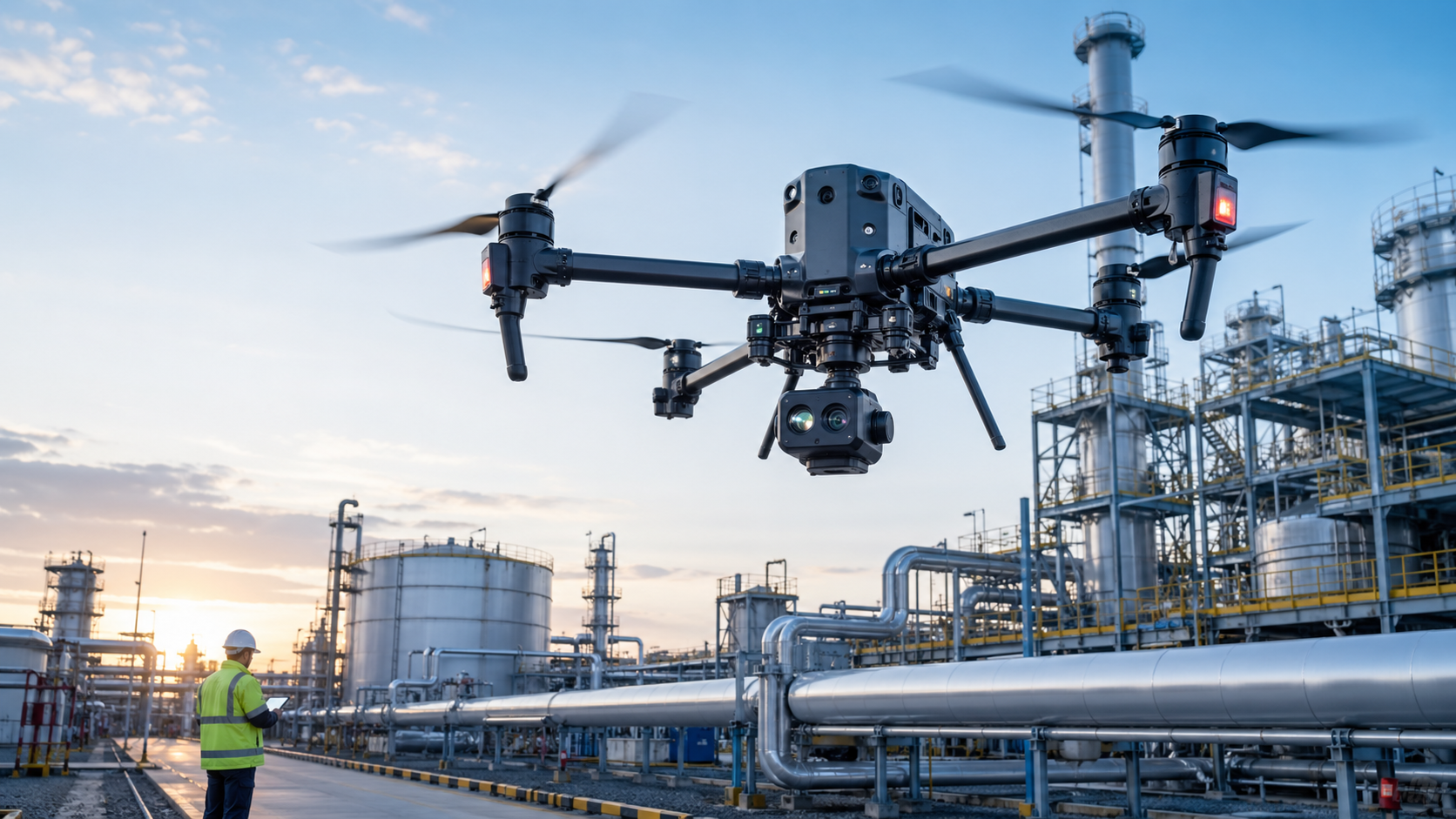
Stroni helps industrial teams inspect critical assets faster, reduce manual exposure to hazardous environments, and capture reliable visual, thermal, and spatial data for better maintenance decisions. From thermal inspection to LiDAR workflows, our solutions are designed for operators who need safer inspections, shorter downtime, and more actionable asset intelligence.
Turning Aerial Data Into Faster Maintenance Decisions
Industrial inspection is not just about collecting images from hard-to-reach places. The real value comes from turning inspection data into faster maintenance decisions, reduced downtime, and safer operations. Stroni's Industrial Inspection Solutions are built to help teams inspect more efficiently, detect problems earlier, and keep critical infrastructure performing reliably.
For operators managing power plants, oil and gas facilities, wind turbines, pipelines, or large industrial sites, the biggest challenge is often the same: inspections are slow, risky, and expensive when performed manually. Traditional access methods may require scaffolding, rope access, shutdowns, or extended work permits, all of which increase cost and delay the maintenance cycle. UAV-based inspections help solve that by collecting data faster and with less operational disruption.
Why Industrial Teams Need Aerial Inspection Workflows
Industrial assets are often spread across large sites or located in environments that are difficult or dangerous to access. Manual inspections can be time-consuming, and in many cases they expose workers to heat, height, confined spaces, or other operational hazards. That is why aerial inspection workflows have become such an important part of modern asset management.
With UAV-based inspection, teams can reach elevated structures, long linear assets, and restricted areas without putting personnel directly into those environments. This makes it easier to inspect equipment more frequently, detect issues earlier, and maintain a clearer picture of asset condition over time. The result is not just improved safety, but a more consistent maintenance strategy.
Thermal Inspection for Early Anomaly Detection
Thermal inspection is one of the most valuable tools in industrial maintenance because many failure modes begin as temperature anomalies before visible damage appears. A hotspot, uneven heat pattern, or abnormal temperature difference may indicate electrical overload, mechanical friction, insulation failure, or component stress. Detecting these issues early can help prevent more serious faults later.
Our industrial inspection solutions support thermal workflows that help teams identify abnormal heat signatures across equipment, structures, and process areas. This is especially useful in power generation, oil and gas, and process industries, where early anomaly detection can support safer operation and better maintenance prioritization. In practice, thermal inspection helps teams move from reactive repair to more proactive maintenance planning.
LiDAR and Spatial Data Capture for Complex Assets
Some inspection jobs require more than visual and thermal data. For large industrial sites, operators often need accurate spatial information, 3D context, and repeatable geometry to understand asset condition properly. That is where LiDAR workflows and spatial data capture become especially valuable.
By capturing detailed spatial information from the air, teams can create better asset models, compare conditions over time, and document structural changes with greater precision. This is useful for infrastructure inspection, site planning, and maintenance coordination because it gives engineers more context than a single image or video feed. In other words, LiDAR helps turn visual inspection into measurable asset intelligence.
Predictive Maintenance Starts With Better Data
Predictive maintenance depends on one thing above all: consistent, reliable data. If inspections are irregular or incomplete, it becomes much harder to identify patterns, compare results, or predict when a component is likely to fail. UAV-based inspection workflows help standardize data capture so teams can monitor changes over time and respond before small issues become expensive outages.
Recent industry sources consistently point to reduced downtime, faster inspections, and improved maintenance planning as the main business value of industrial drone inspection. In practice, this means fewer emergency repairs, fewer unplanned shutdowns, and better allocation of maintenance resources. For industrial operators, that is where the ROI becomes real.
Why Industrial Teams Trust Stroni
Stroni designs industrial inspection UAV solutions around the realities of field operations. Our customers care about reducing risk, improving inspection efficiency, and getting data that can actually support maintenance decisions. That is why our platforms are built to support thermal inspection, LiDAR workflows, and consistent aerial data capture across a wide range of industrial environments.
We understand that industrial inspection is not just about flight performance. It is about workflow reliability, repeatable mission planning, and data quality that can support engineering and maintenance teams. Whether the mission is routine asset monitoring or a hard-to-access inspection task, our solutions are designed to help teams work more safely and more efficiently.
Frequently Asked Questions
Can your industrial inspection solutions support thermal and visual inspection?
+
Yes. Our industrial inspection solutions are designed to support both thermal inspection and high-resolution visual workflows. This allows teams to detect heat anomalies, document surface conditions, and collect the data needed for maintenance planning.
Can the system support LiDAR and spatial data capture?
+
Yes. Our platforms can be configured for LiDAR workflows and spatial data capture, which are useful for 3D modeling, asset measurement, and infrastructure documentation. This is especially valuable for complex industrial sites where visual data alone is not enough.
Can your solution be used for repeated inspections and predictive maintenance?
+
Yes. Our inspection workflows are designed for repeatability, which is essential for predictive maintenance and trend analysis. By capturing data consistently over time, teams can compare asset conditions more accurately and identify issues earlier.
What are your international shipping terms for industrial inspection equipment?
+
We provide FOB and CIF terms for international enterprise orders. The purchasing company is responsible for destination customs clearance, import duties, and compliance with local aviation and industrial regulations.
Continue Exploring
Continue Exploring
Keep the momentum going with a few related reads selected to extend this topic into strategy, deployment, and practical field use.
Featured Read
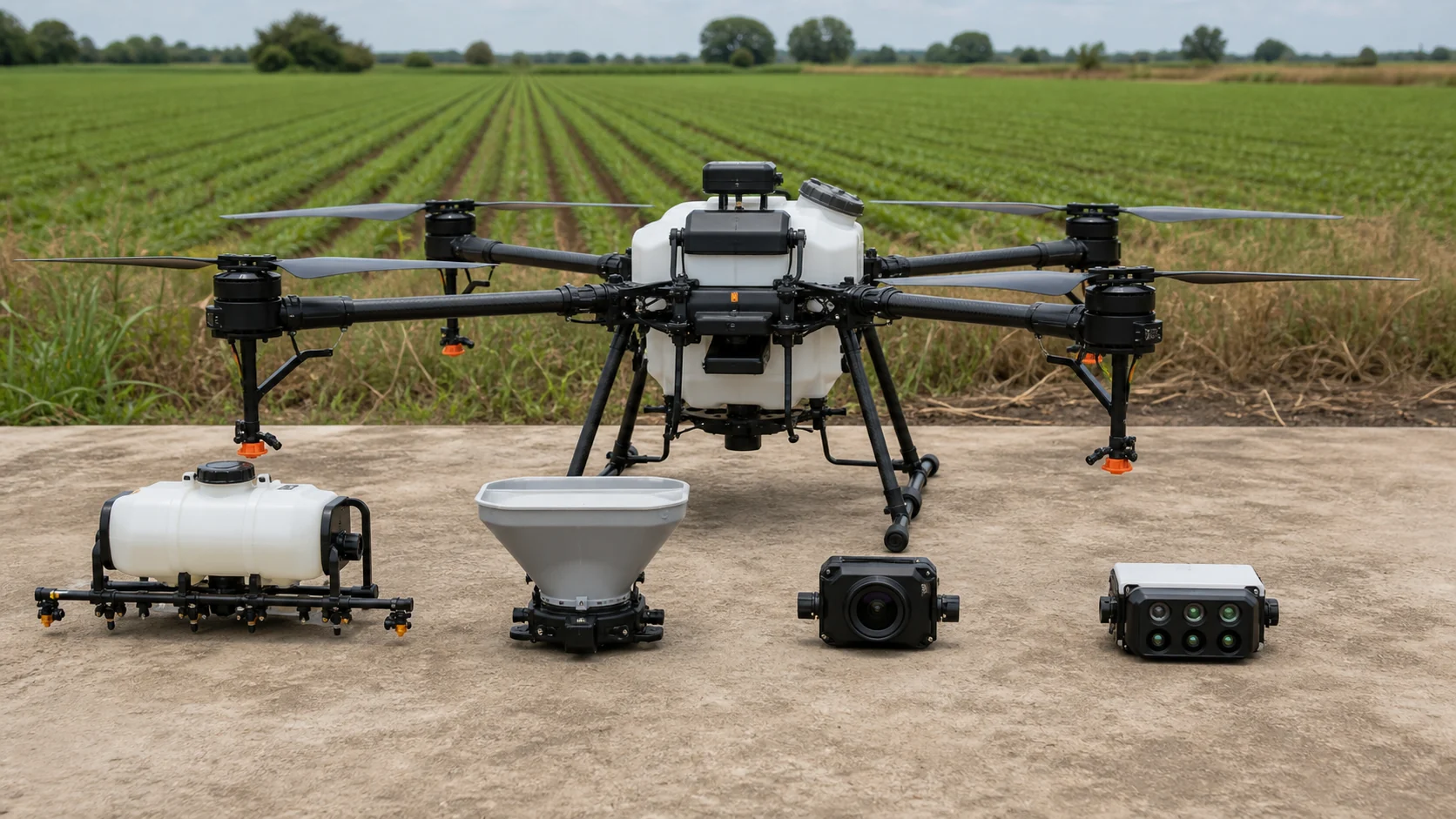
Agriculture Drone Payloads Explained: Spraying, Spreading, Mapping and Multispectral Imaging
Agriculture Drones · Jul 31, 2026
Recommended
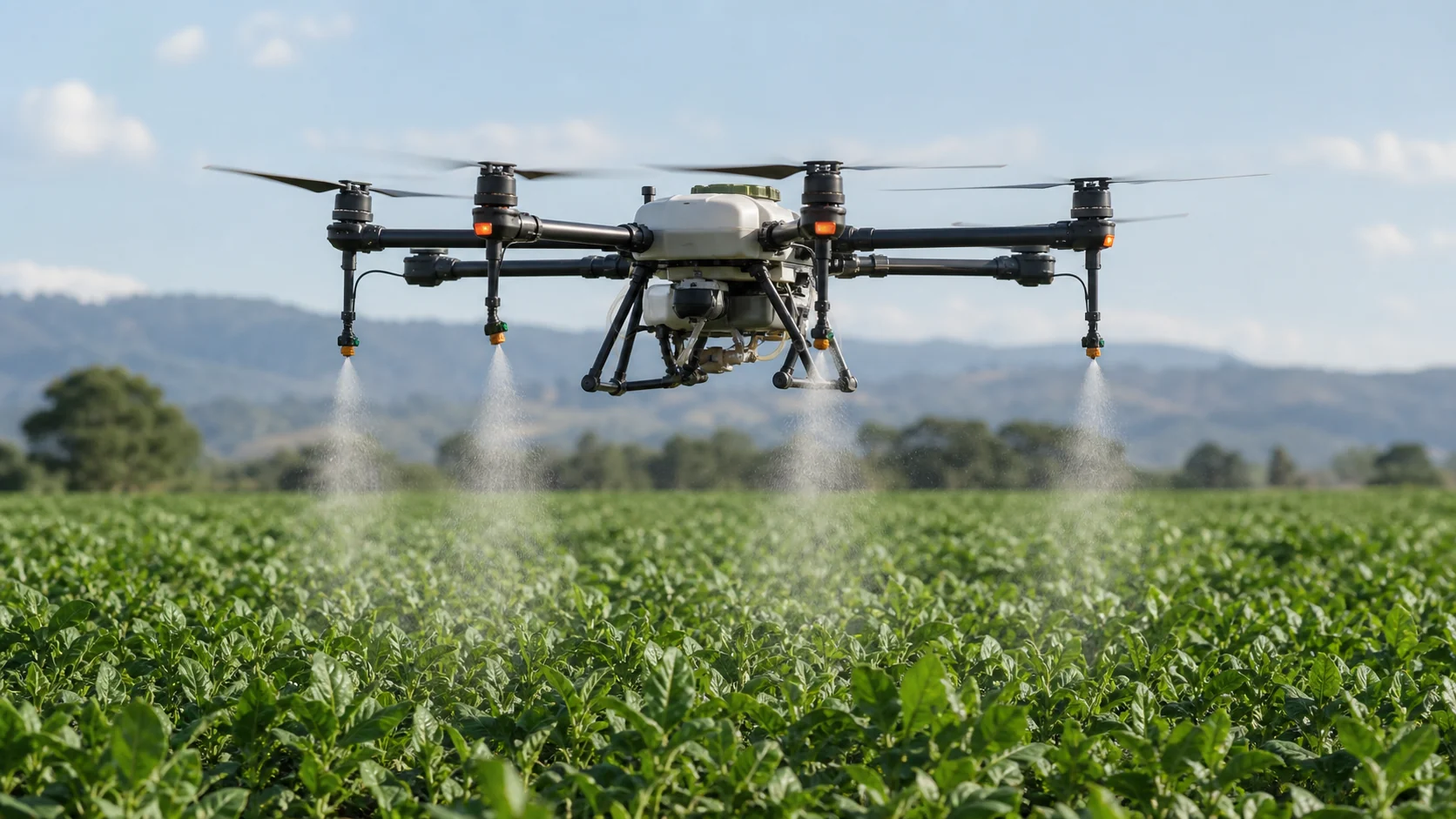
How Agricultural Spraying Drones Work: From Route Planning to Droplet Deposition
Agriculture Drones · Jul 31, 2026
Recommended
Agriculture Drones in China: Technology, Applications and Operating Principles
Agriculture Drones · Jul 31, 2026
Recommended
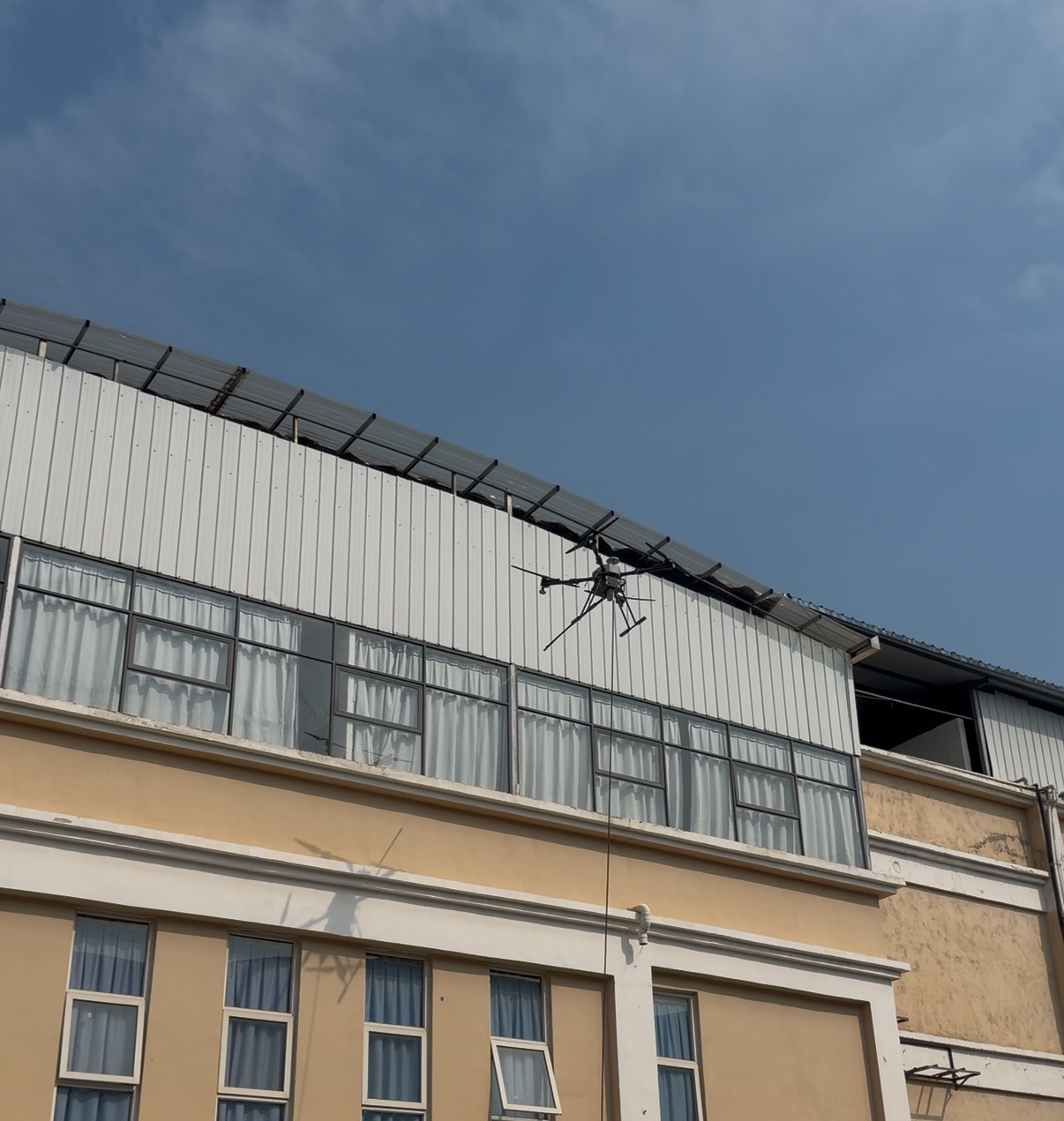
How Stroni UAV Is Rethinking Automated Drone Cleaning
Cleaning Drone · Sep 14, 2026
Recommended
Agriculture Drone Cost per Hectare: Battery, Labor and ROI Calculator
Agriculture Drones · Jul 29, 2026
Ready to transform your operations?
Connect with our UAV solution team to design an implementation path for your business.