Industrial Security Patrol UAVs for Perimeter Surveillance and Incident Support
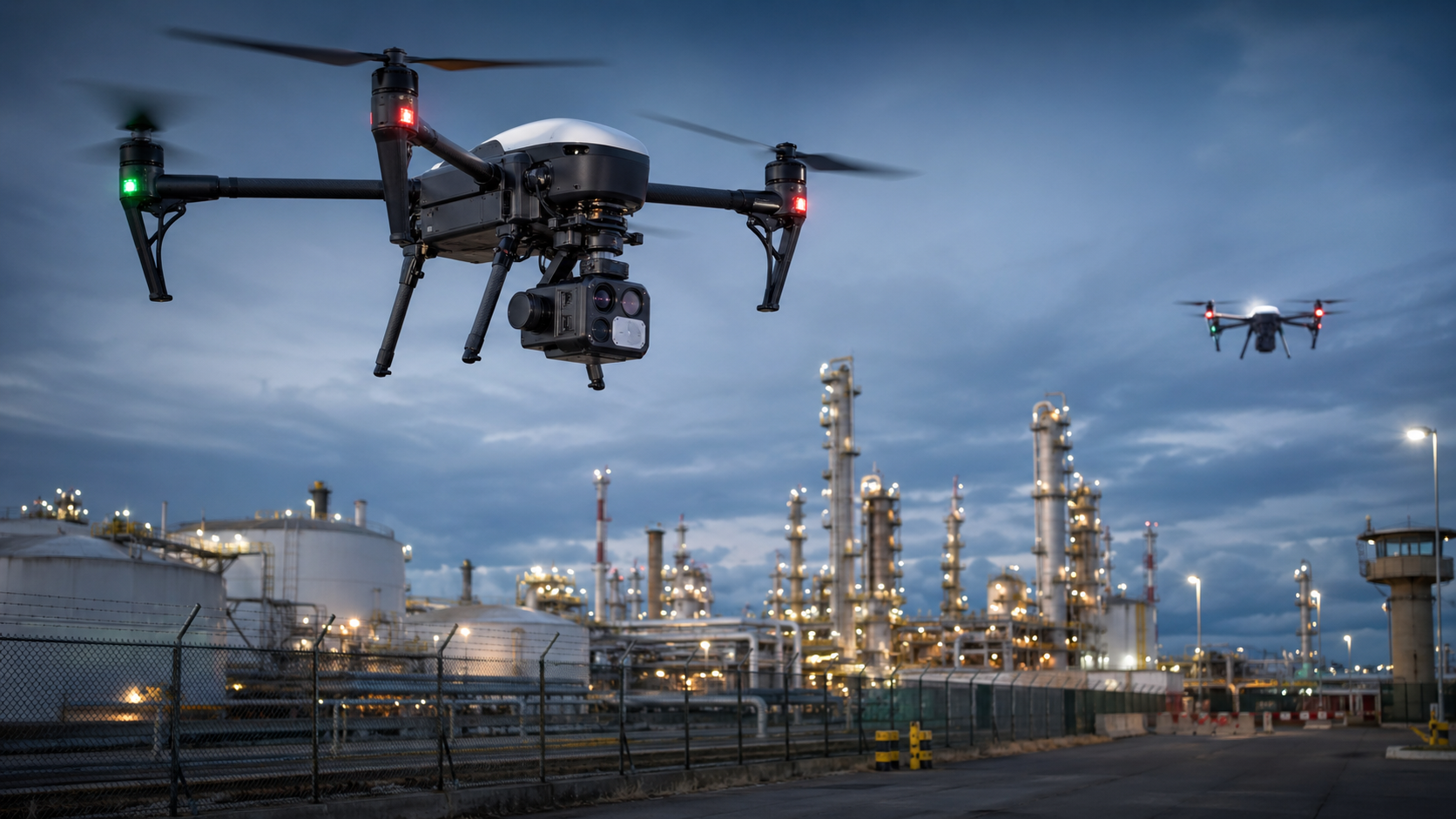
Industrial security patrol UAVs are designed for facilities that need faster aerial visibility, stronger perimeter awareness, and better incident verification across large or complex sites. For B2B buyers, the value of a security UAV is not only in the aircraft itself. It is in how well the platform fits patrol routines, alarm workflows, site layout, and security-team decision-making.
This category is relevant for warehouses, logistics yards, industrial parks, energy facilities, ports, construction zones, substations, and other industrial environments where fixed surveillance infrastructure alone may leave visibility gaps. A practical security patrol UAV deployment gives teams faster access to live aerial context when routine patrols or security events demand quicker understanding.
What Industrial Security Patrol UAVs Solve
Many industrial facilities have long perimeter lines, multiple access points, remote corners, rooftop blind spots, storage zones, and low-light areas that are difficult to monitor continuously from the ground. Security teams often need a way to verify alarms, inspect suspicious movement, and understand incidents without losing time repositioning personnel.
Industrial security patrol UAVs help close that gap by adding a mobile aerial layer to the broader site-security workflow. Their main value is not abstract surveillance. It is faster target confirmation, broader situational visibility, and more informed command-center response across operationally important areas.
Typical Industrial Security Use Cases
Common use cases include perimeter patrol, intrusion awareness, remote-edge observation, yard monitoring, alarm verification, access-point review, and event-triggered aerial checks after a suspicious activity alert. These platforms can be useful both for scheduled patrol cycles and for rapid aerial assessment when something unusual happens on site.
They are especially relevant when facilities need to monitor wide compounds, irregular layouts, poorly lit edges, or areas where deploying guards or vehicles takes extra time. In these environments, a well-matched UAV can improve visibility without requiring the site to rely only on more static camera coverage.
Why Security UAVs Matter in Large and Complex Sites
For many industrial operators, the real issue is not whether a site has cameras. It is whether the security team can understand an incident quickly enough to respond appropriately. Fixed surveillance works well for persistent coverage, but UAV patrol adds flexible line-of-sight access to locations that are otherwise slow to assess.
This makes industrial security UAVs particularly useful for sites where command teams need faster aerial context, clearer alarm verification, and stronger awareness of perimeter conditions before escalating a response.
What Buyers Should Evaluate Before Choosing a Patrol UAV
Buyers should begin with practical site questions: how large is the facility, what areas create the biggest blind spots, how often are patrol missions required, and does the site need day-only or day-and-night monitoring? They should also evaluate whether the system will mainly support routine patrols, event-triggered verification, or both.
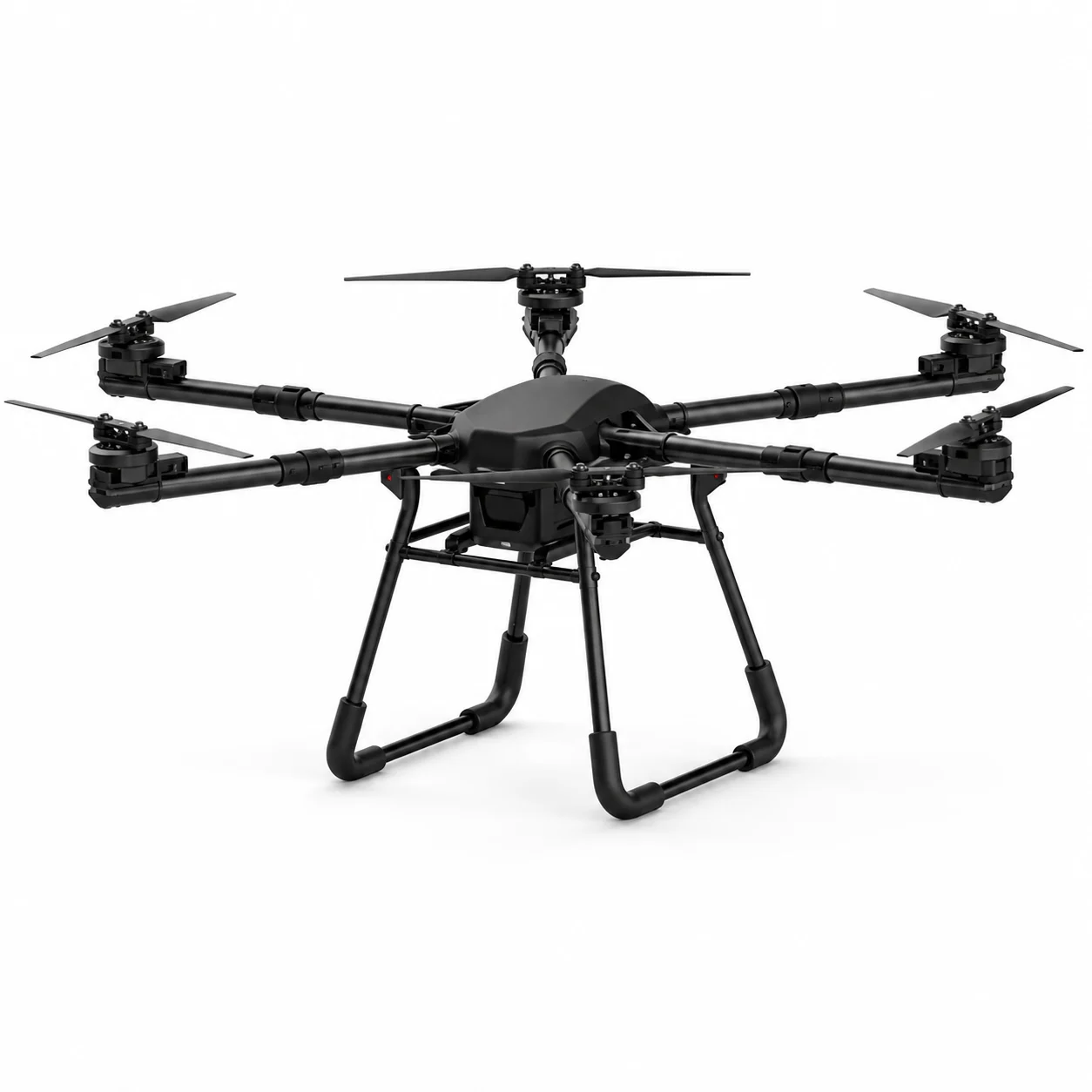
Other important factors include endurance, payload type, thermal requirement, communication reliability, patrol automation, weather exposure, and how the UAV will fit into security SOPs. A security patrol platform should reduce response uncertainty, not add unnecessary operational friction.
Thermal, Low-Light, and Patrol Workflow Considerations
Many industrial sites need more than daytime visual coverage. Thermal and low-light payload capability can be important for nighttime patrol, heat-source awareness, suspicious movement verification, and improved observation in low-visibility conditions. Buyers should think about not only whether thermal is needed, but how the payload will support actual guard and command-center decisions.
Patrol workflow also matters. Some customers need repeatable scheduled routes, while others care more about event-triggered manual response and rapid repositioning. The right security UAV setup depends on how those two operating styles are balanced in daily site use.
How Security UAVs Fit Existing Operations
A practical industrial security UAV deployment should work inside the facility’s existing response model. That includes scheduled patrol planning, alarm verification, escalation procedures, and command-center communication. For most professional users, the UAV is most valuable when it becomes part of the wider physical security workflow rather than a separate experimental tool.
When the system is chosen correctly, the UAV can support routine perimeter visibility, improve alarm verification speed, and help decision-makers judge incidents with better context before sending additional personnel or escalating the response.
Related Security Capabilities
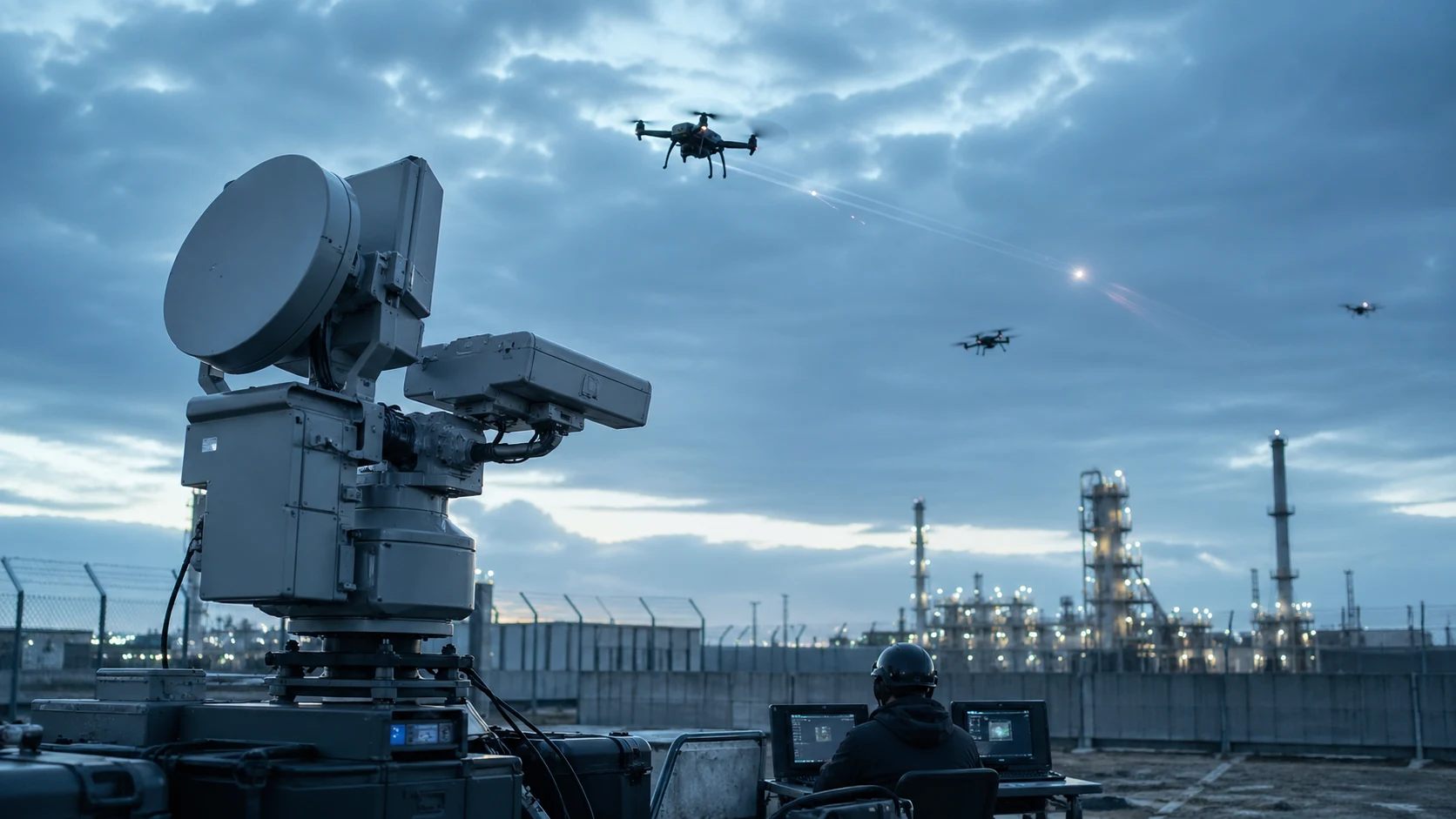
Industrial security teams often evaluate adjacent capabilities such as Industrial Inspection UAVs for asset-focused site monitoring and Counter-Drone Systems for low-altitude threat protection. For broader program planning, buyers can also review the full product catalog or contact our team through the contact page.
Commercial Terms and Compliance
Industrial security UAV deployment should follow applicable local aviation, privacy, site-security, and operating authorization requirements. For international B2B orders, we currently support FOB and CIF trade terms only. Buyers are responsible for local import procedures, clearance, duties, taxes, and destination-country compliance obligations. For accurate project matching, customers should share site conditions, payload requirements, patrol expectations, and quantity before requesting a quotation.