
 Defense & Tactical UAVs
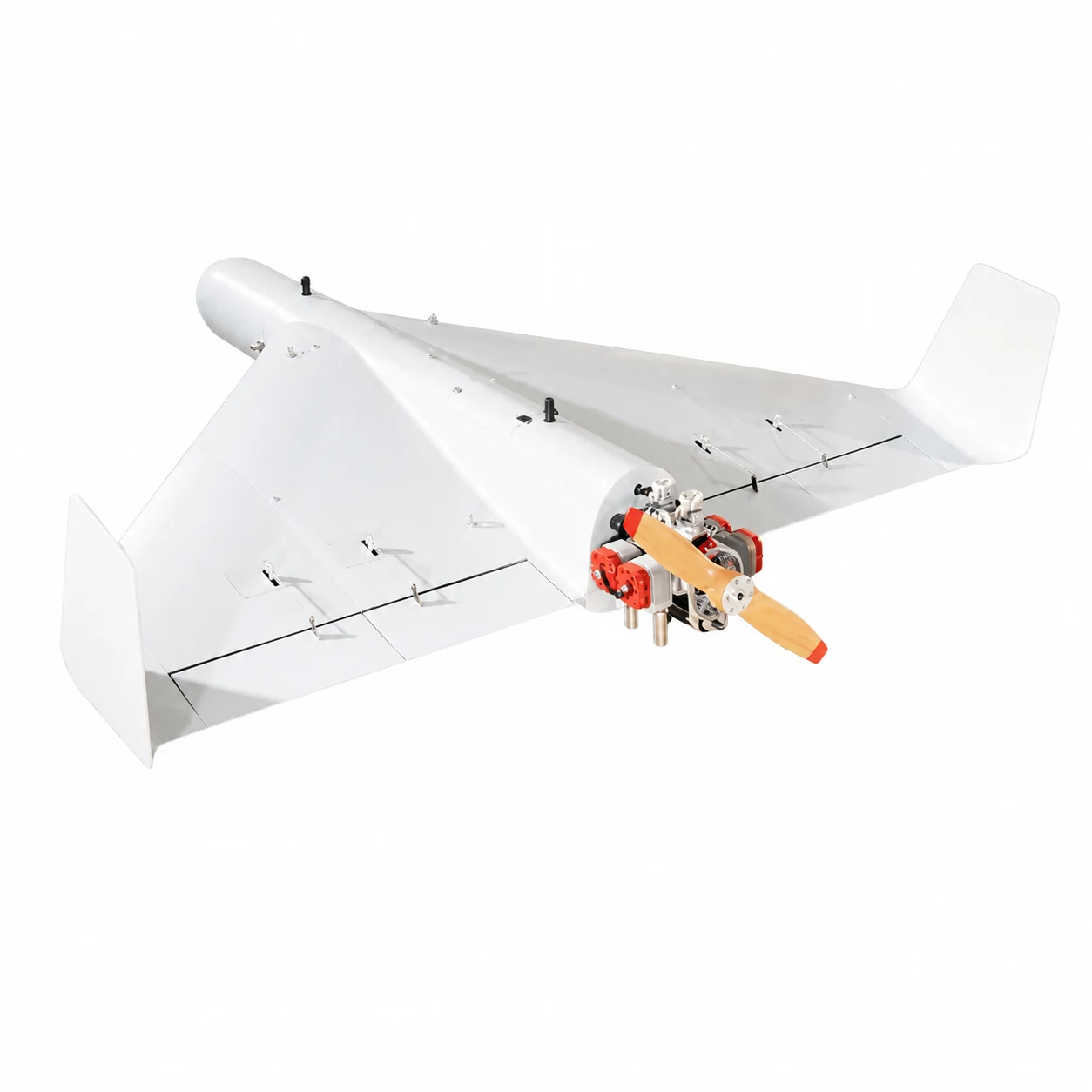
HY180 Long-Endurance Delta-Wing Fixed-Wing UAV
A long-endurance delta-wing fixed-wing UAV wit...
50 kg Payload
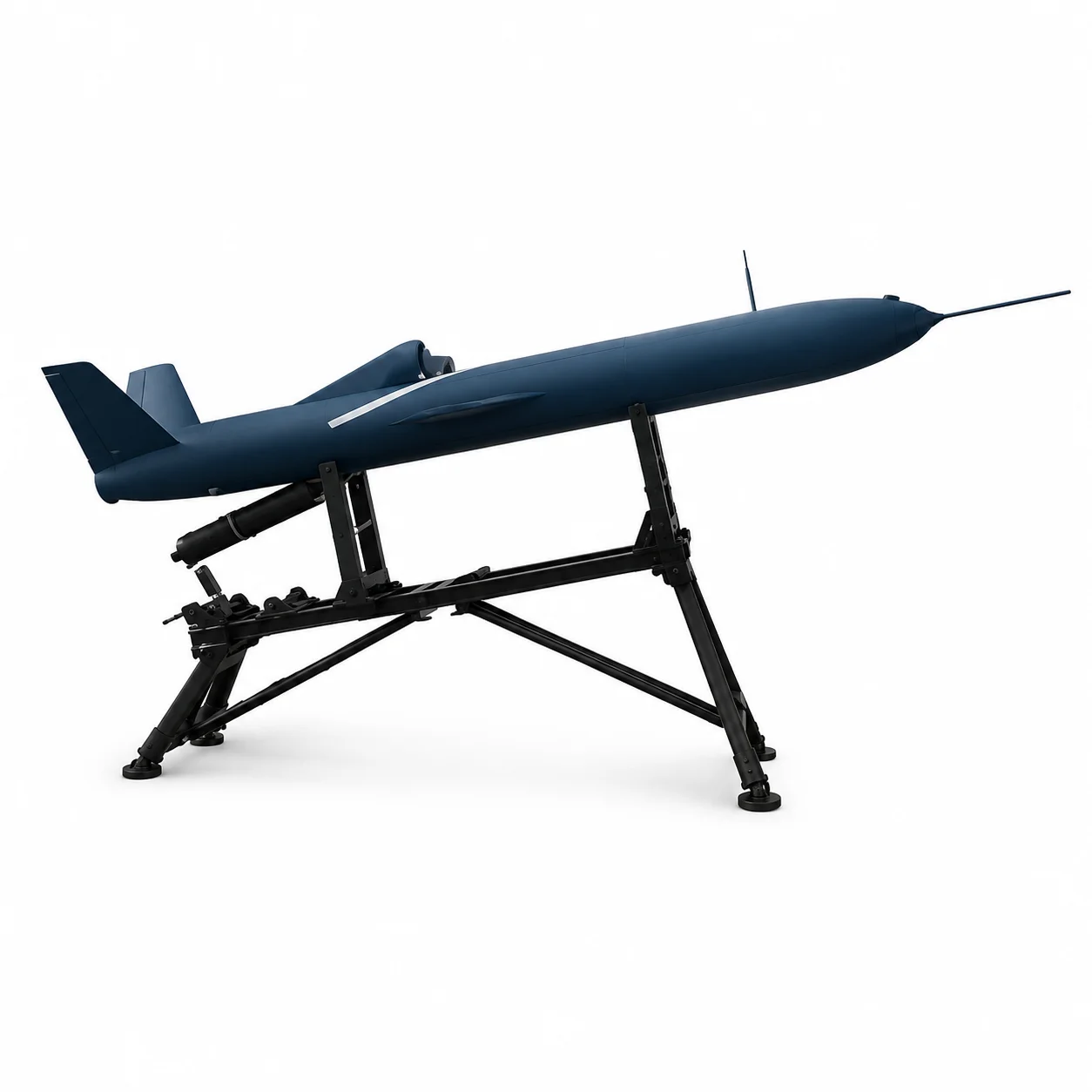
Type 14 Tactical Fixed-Wing UAV is built for defense reconnaissance and long-range tactical operations. The platform combines a 1,800-2,000 km mission radius, 130-180 km/h flight speed, INS + GPS/BD/GNSS guidance, and rocket-assisted zero-length launch to support rapid deployment and stable mission execution in complex operating environments.
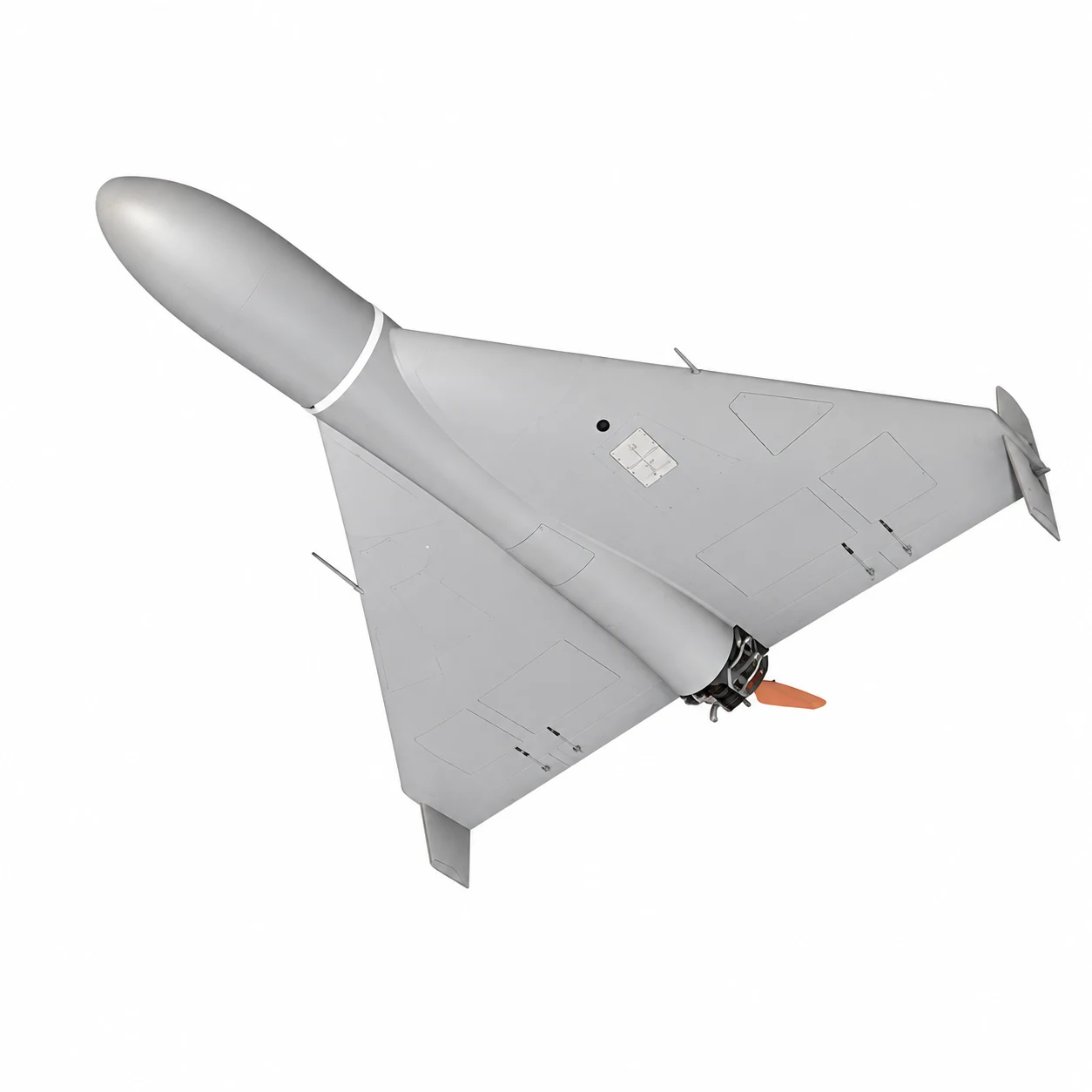
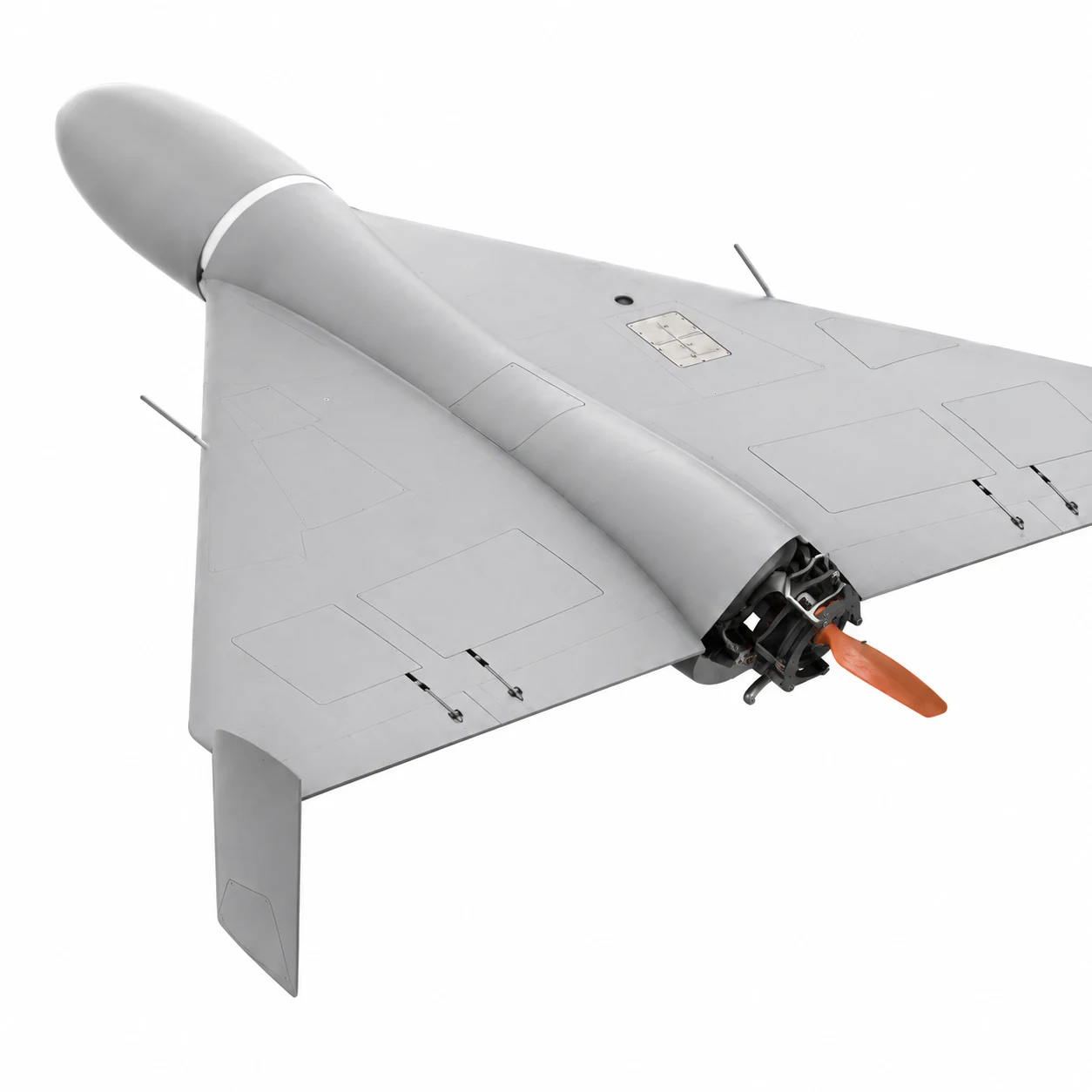
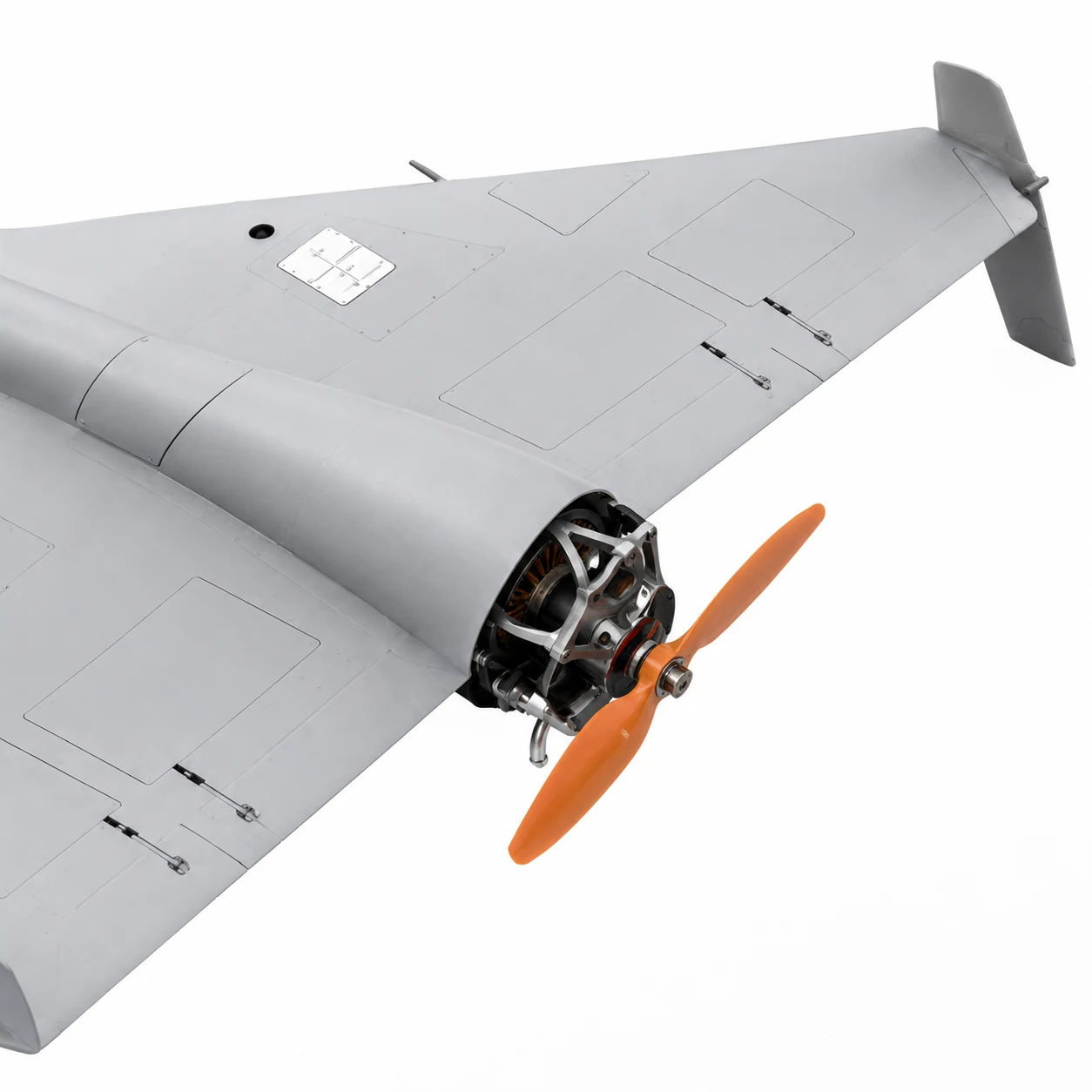
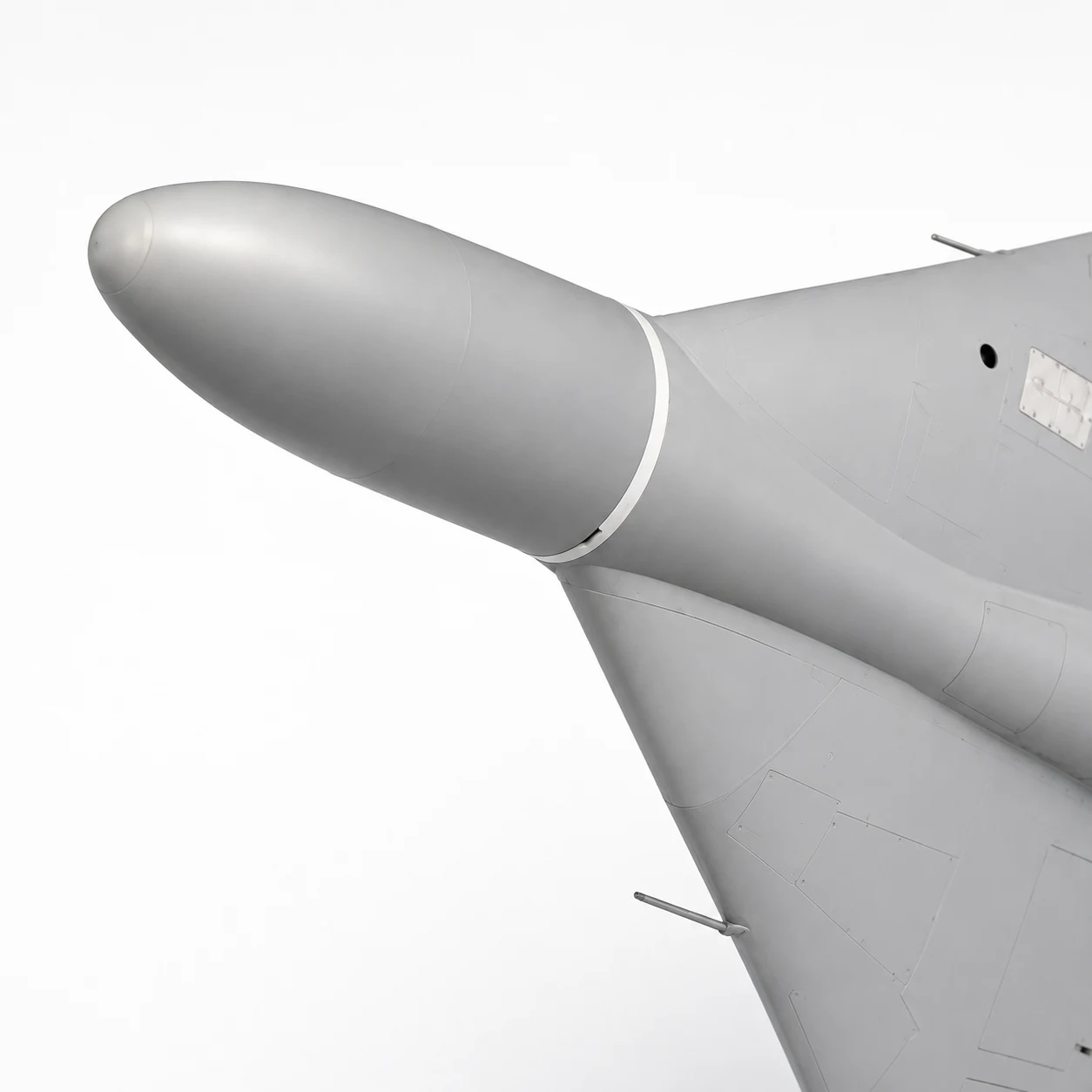
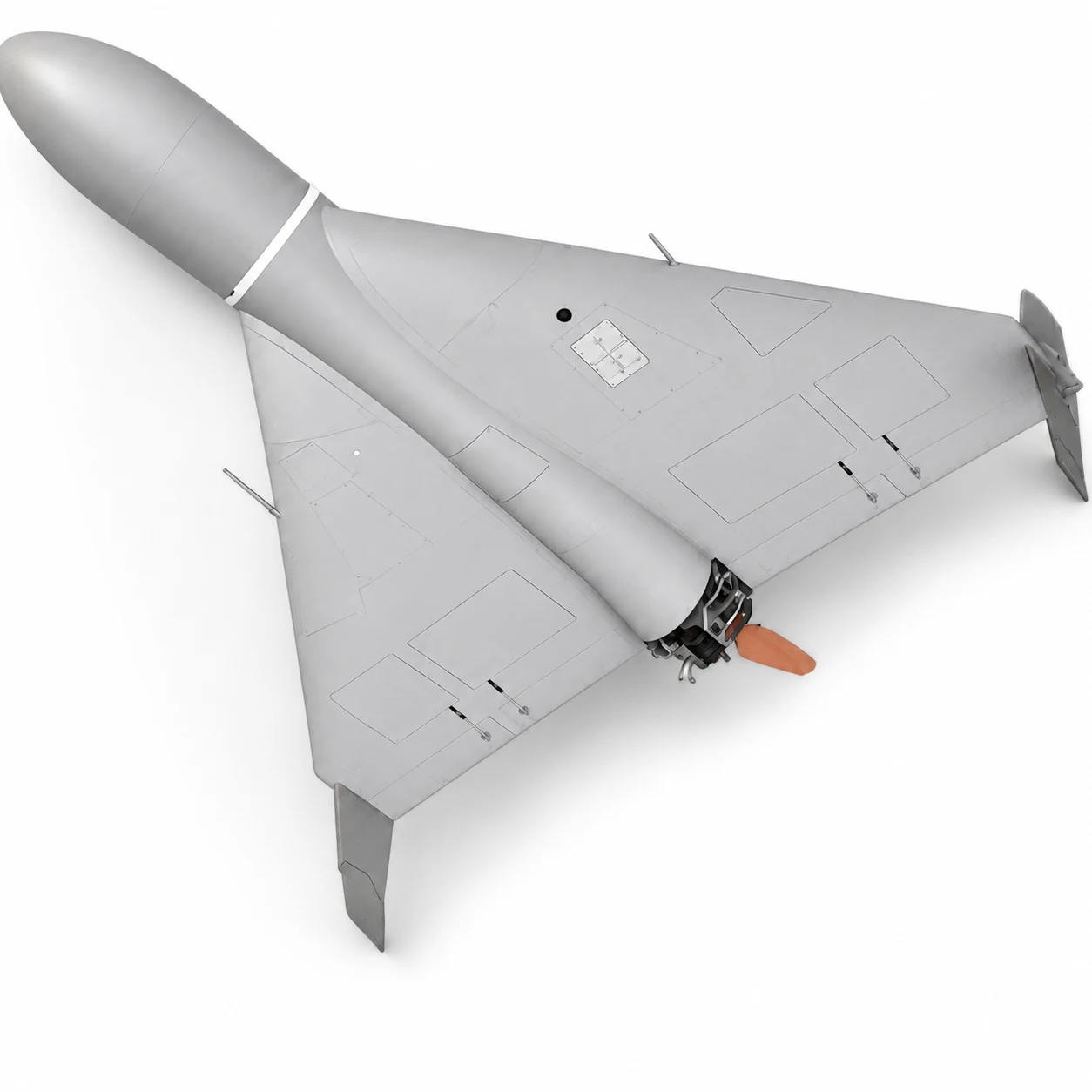
Type 14 Tactical Fixed-Wing UAV is built for defense reconnaissance and long-range tactical operations. The platform combines a 1,800-2,000 km mission radius, 130-180 km/h flight speed, INS + GPS/BD/GNSS guidance, and rocket-assisted zero-length launch to support rapid deployment and stable mission execution in complex operating environments.
Explore related products in the Defense & Tactical UAVs range to compare deployment form factors, response methods, and system integration options for similar project requirements.
Defense & Tactical UAVsA long-endurance delta-wing fixed-wing UAV wit...
 Defense & Tactical UAVs
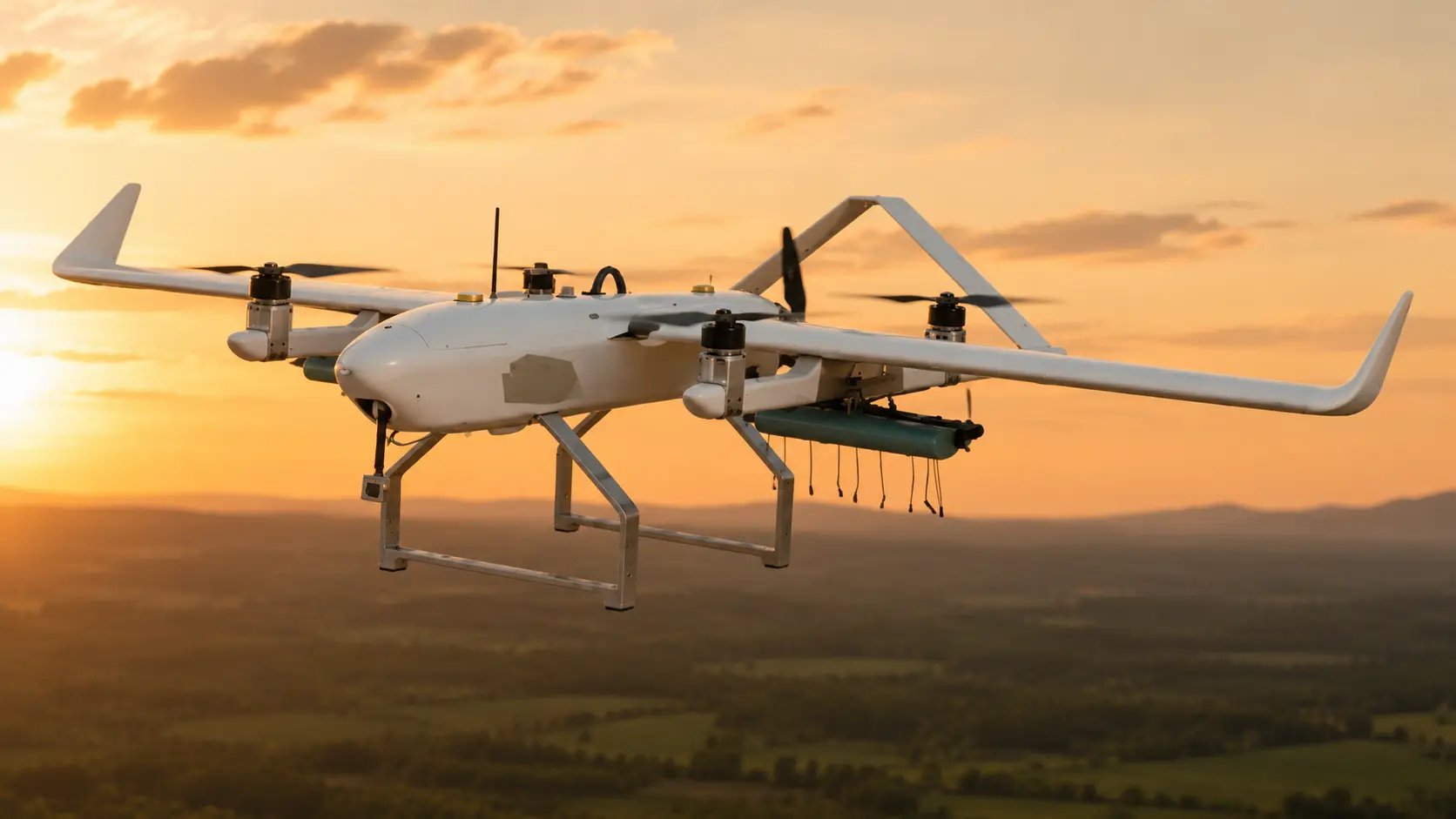
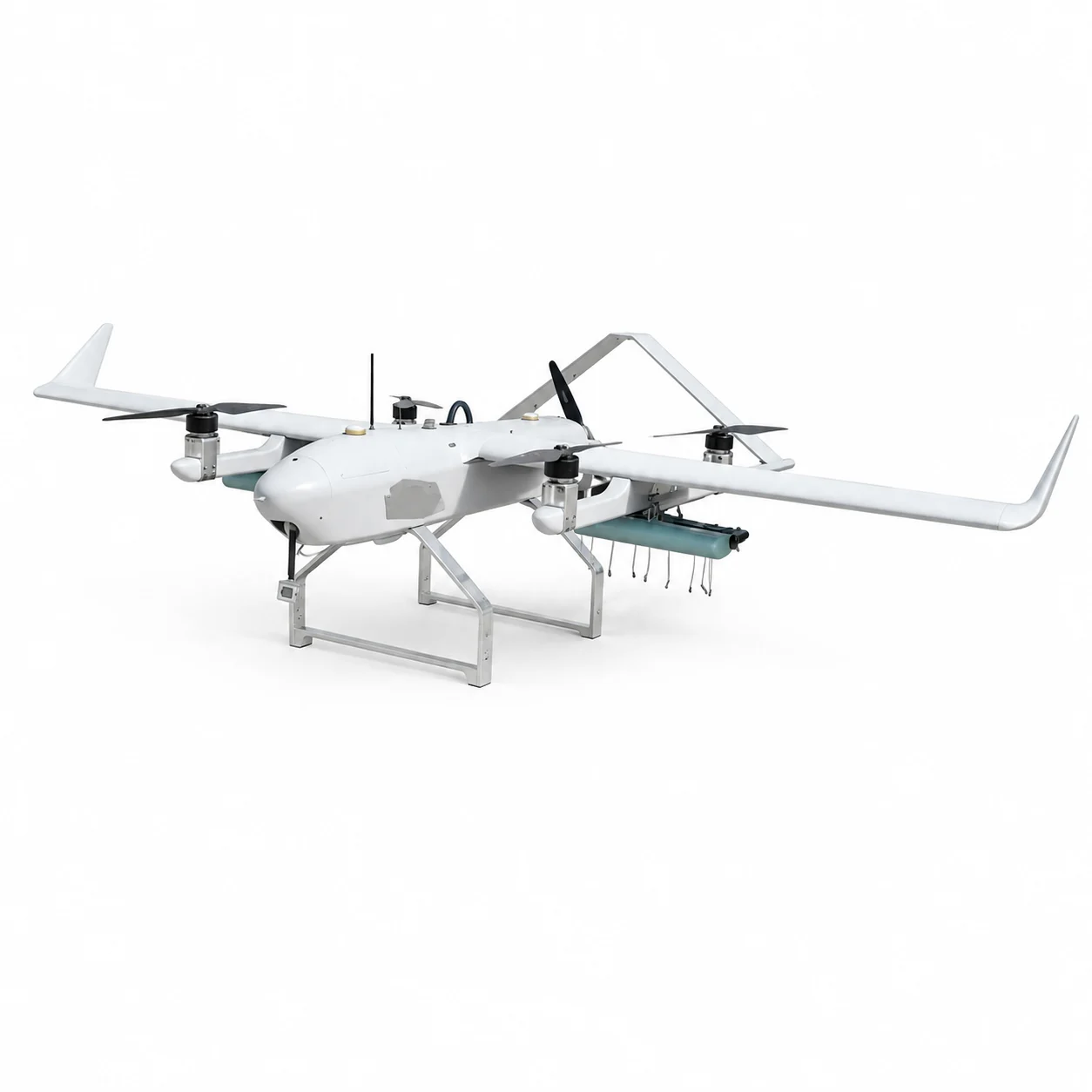
The 7D Tactical Reconnaissance VTOL Fixed-Wing...
 Defense & Tactical UAVs
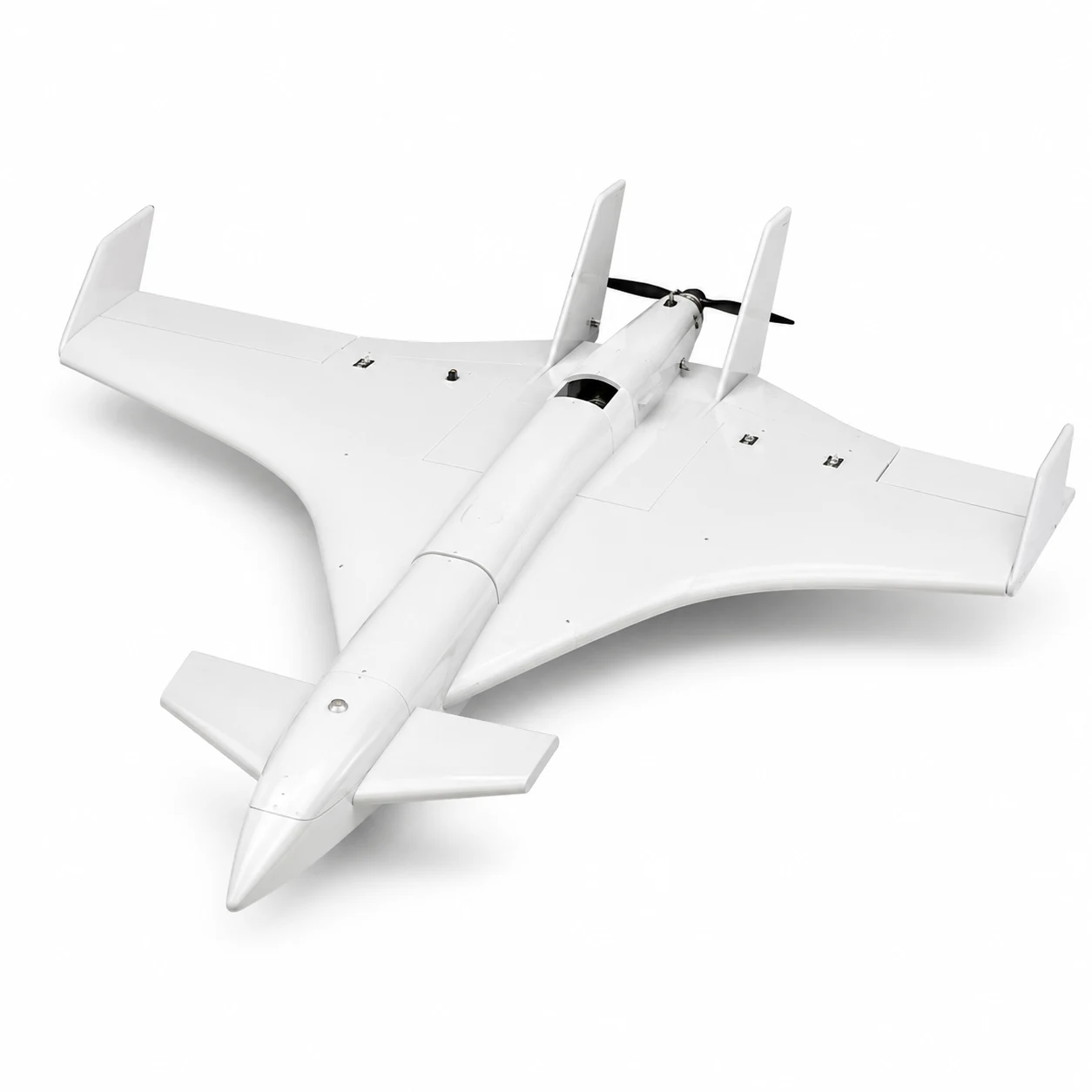
A high-speed subsonic fixed-wing UAV with 500...
 Defense & Tactical UAVs
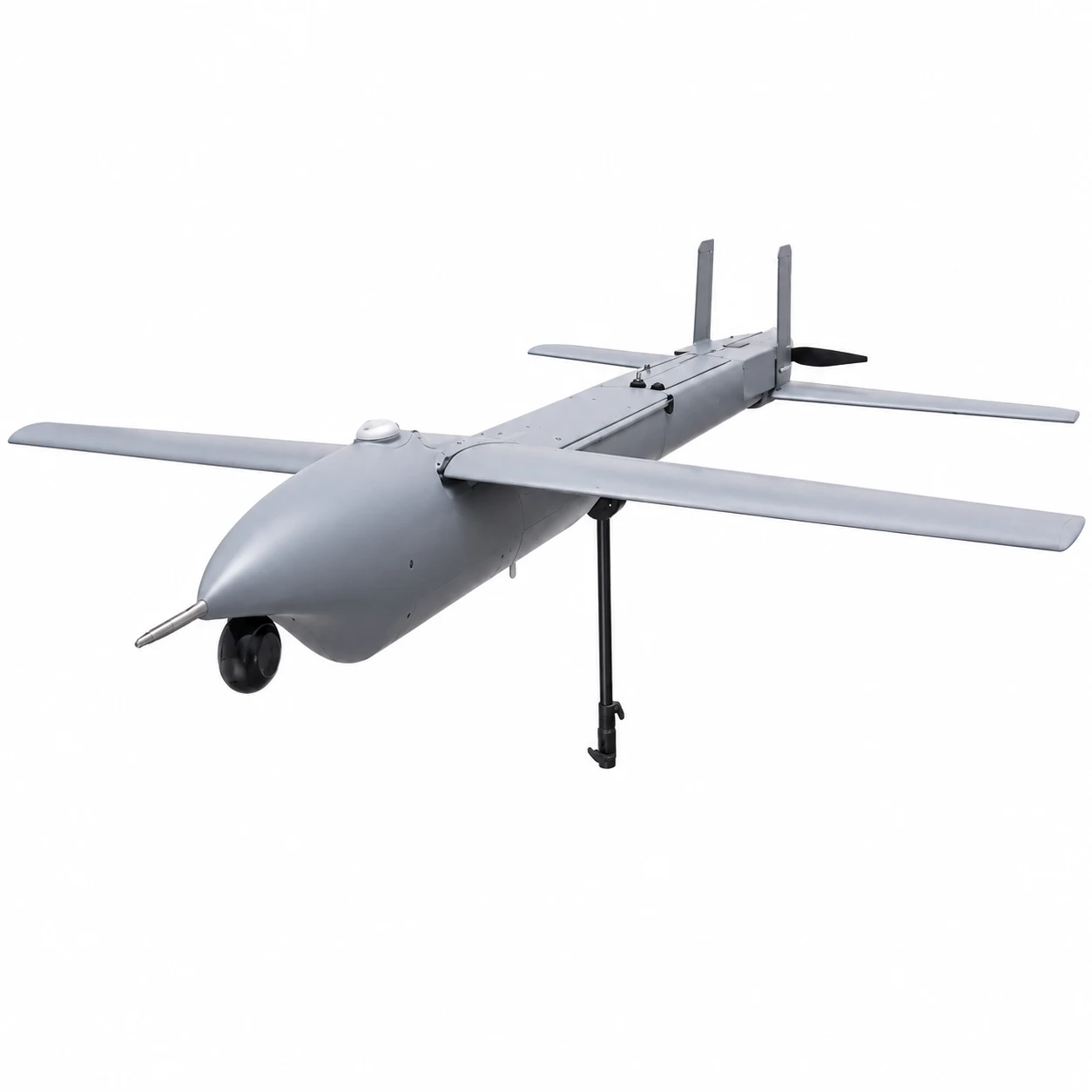
A turbojet-powered canard delta-wing UAV with...
 Defense & Tactical UAVs
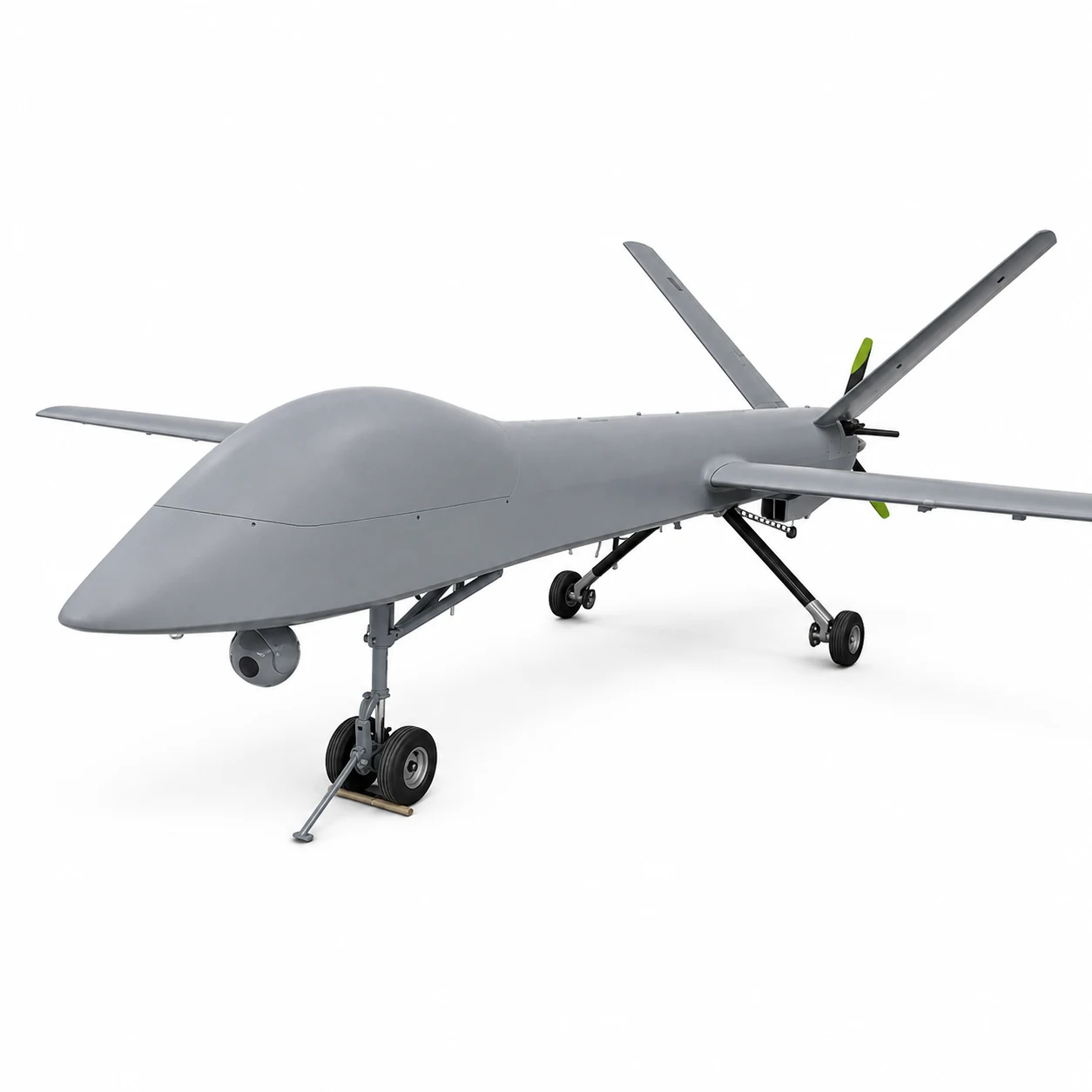
A foldable electric fixed-wing reconnaissance...
 Defense & Tactical UAVs
A medium-altitude long-endurance UAV with 24h...
 Defense & Tactical UAVs
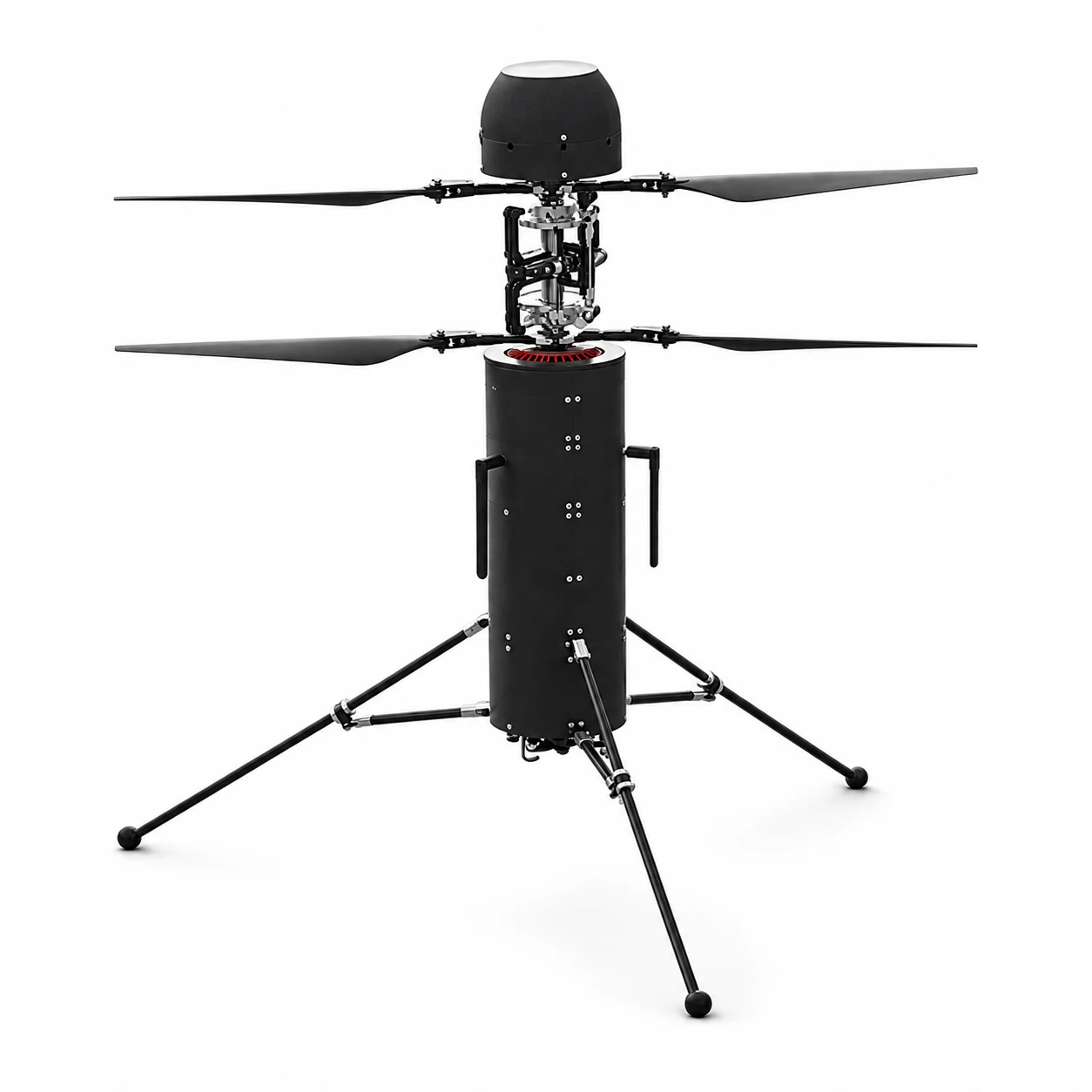
A compact coaxial rotor tactical UAV with 120...
 Defense & Tactical UAVs
A high-speed turbojet fixed-wing UAV with 210...
Browse adjacent product categories to find complementary platforms, alternative configurations, and broader solution paths connected to this product line.
Defense & Tactical UAVs
Mission-ready tactical UAV platforms for reconnaissance, surveillance, border patrol, and specialized payload operations in complex environments.
Agriculture UAV Drones
Agriculture UAV drones for spraying, spreading, crop protection, and precision farm operations across commercial field, orchard, and plantation environments.
Counter-Drone Systems
Counter-drone systems for airports, critical infrastructure, industrial facilities, and public security projects, covering detection, tracking, identification, and authorized response workflows.
Firefighting Drones
Firefighting drones for thermal monitoring, hotspot detection, scene visibility, and emergency-response support across wildfire, urban, and industrial fire operations.
FPV Drones
FPV drones for training, testing, custom integration, and configurable first-person flight projects with low-latency control and flexible setup options.
Type 14 is designed for long-range tactical reconnaissance, route surveillance, and time-sensitive strike support where fixed-wing efficiency and rapid deployment matter. It is typically selected for missions that require large-area coverage, repeatable flight paths, and practical field launch capability without heavy runway infrastructure.
Start with mission radius, target cycle time, and expected sortie tempo. Then map payload needs (thermal/EO/laser), navigation resilience requirements, launch-space constraints, and sustainment capacity. A practical evaluation should include operator workload, turnaround time between sorties, spares strategy, and lifecycle support readiness under your actual climate and terrain.
The platform combines INS with GPS/BD/GNSS guidance to improve navigation continuity when satellite signals are degraded or intermittent. In procurement terms, this supports better route stability and mission completion probability under contested conditions. Final anti-jam and redundancy depth depends on the selected mission configuration and integration package.
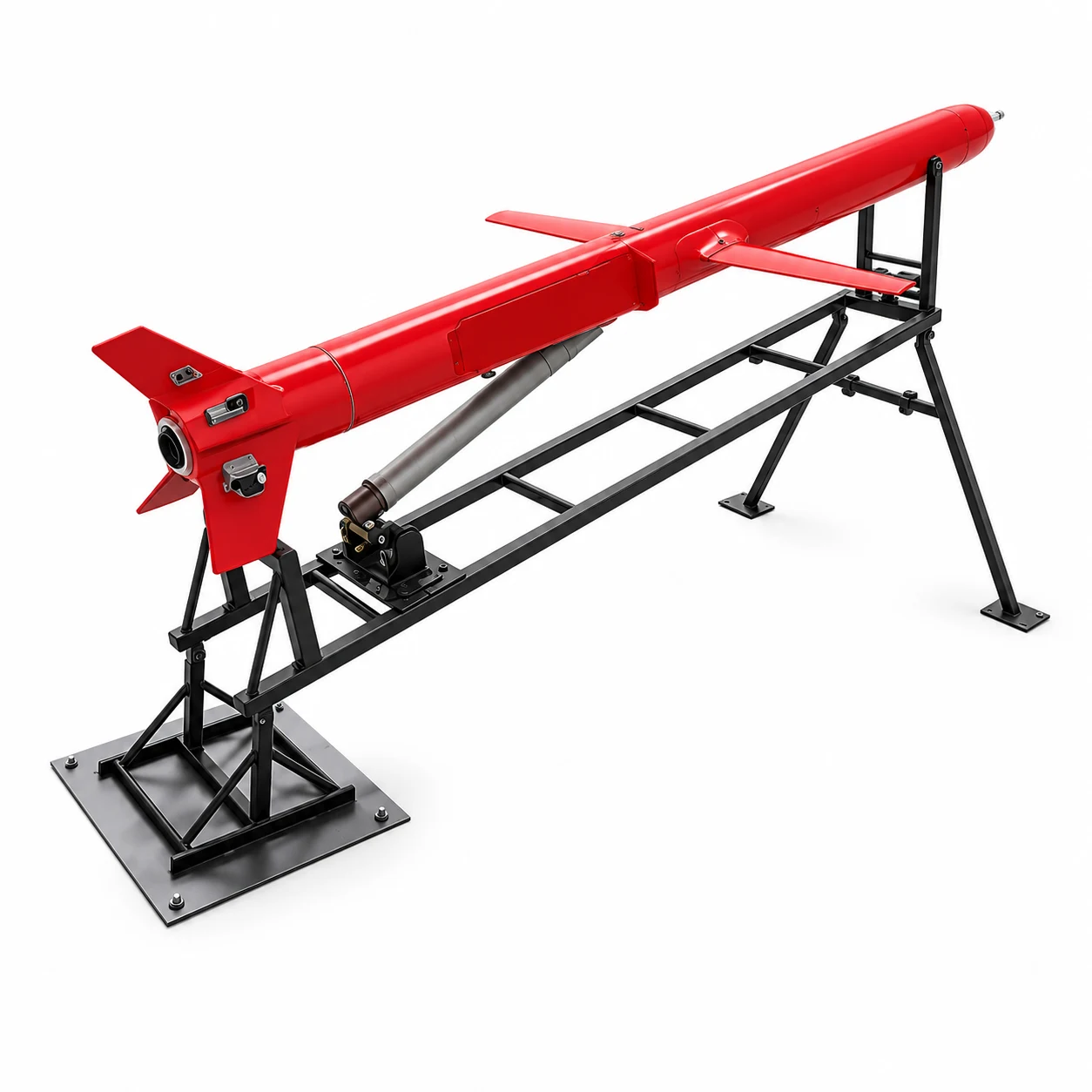
Type 14 supports rocket-assisted zero-length launch with an inclined launch canister, which reduces dependence on conventional runway logistics. This allows faster setup for mobile units and helps shorten deployment cycles in forward areas. Buyers should still plan launch-site safety envelopes, crew SOPs, and support vehicle allocation as part of force-level integration.
The tri-sensor EO architecture (thermal, visible-light, and laser) is intended to improve detection, confirmation, and tracking workflows across day/night and mixed-visibility conditions. For users, the key value is not only image capture, but mission-speed decision support through multi-source target observation in one platform.
Defense buyers should focus on propulsion reliability, guidance stability, field-repairability, and mean-time-to-restore after mission cycles. Ask for recommended spare kits, preventive maintenance intervals, training scope for operators and technicians, and expected support response windows. These factors often determine true mission availability more than headline performance figures.
Confirm how mission planning, route updates, and payload data outputs align with your current command chain and intelligence workflow. Define interface expectations early: data formats, operator roles, mission authorization procedures, and post-mission analysis handoff. Early workflow alignment reduces integration risk and shortens time-to-operational-readiness.
Pricing is inquiry-based and depends on mission configuration, payload package, quantity, and destination requirements. Standard delivery terms are FOB and CIF; DDP is not included in the standard scope. For government and institutional procurement, final scope should also define acceptance criteria, training deliverables, and support milestones.