
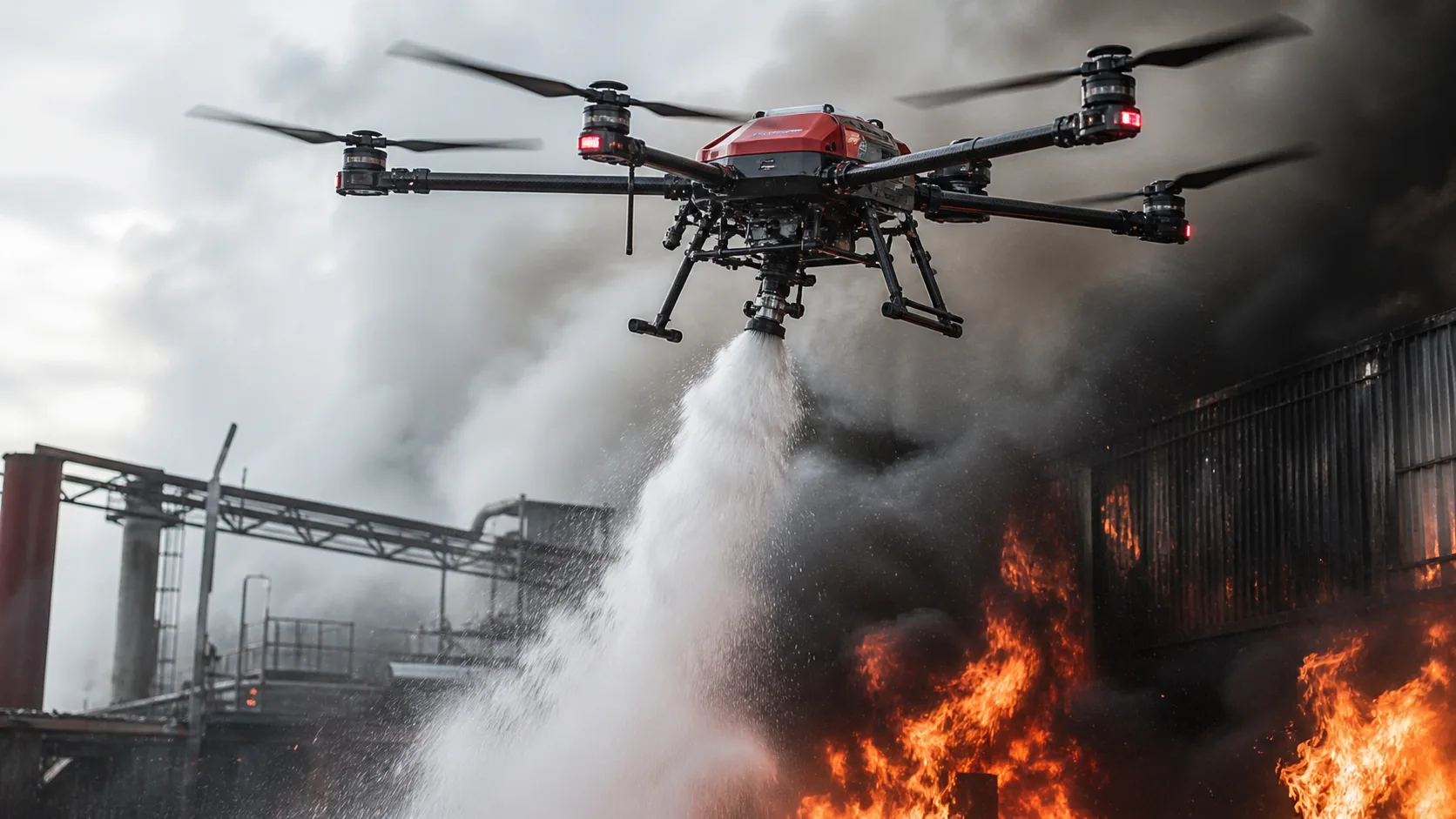
How Firefighting Drones Improve Situational Awareness in Active Fires
Discover how firefighting drones improve situational awareness in active fires. Learn how thermal imaging and aerial views enhance safety and decisions.
March 13, 2026
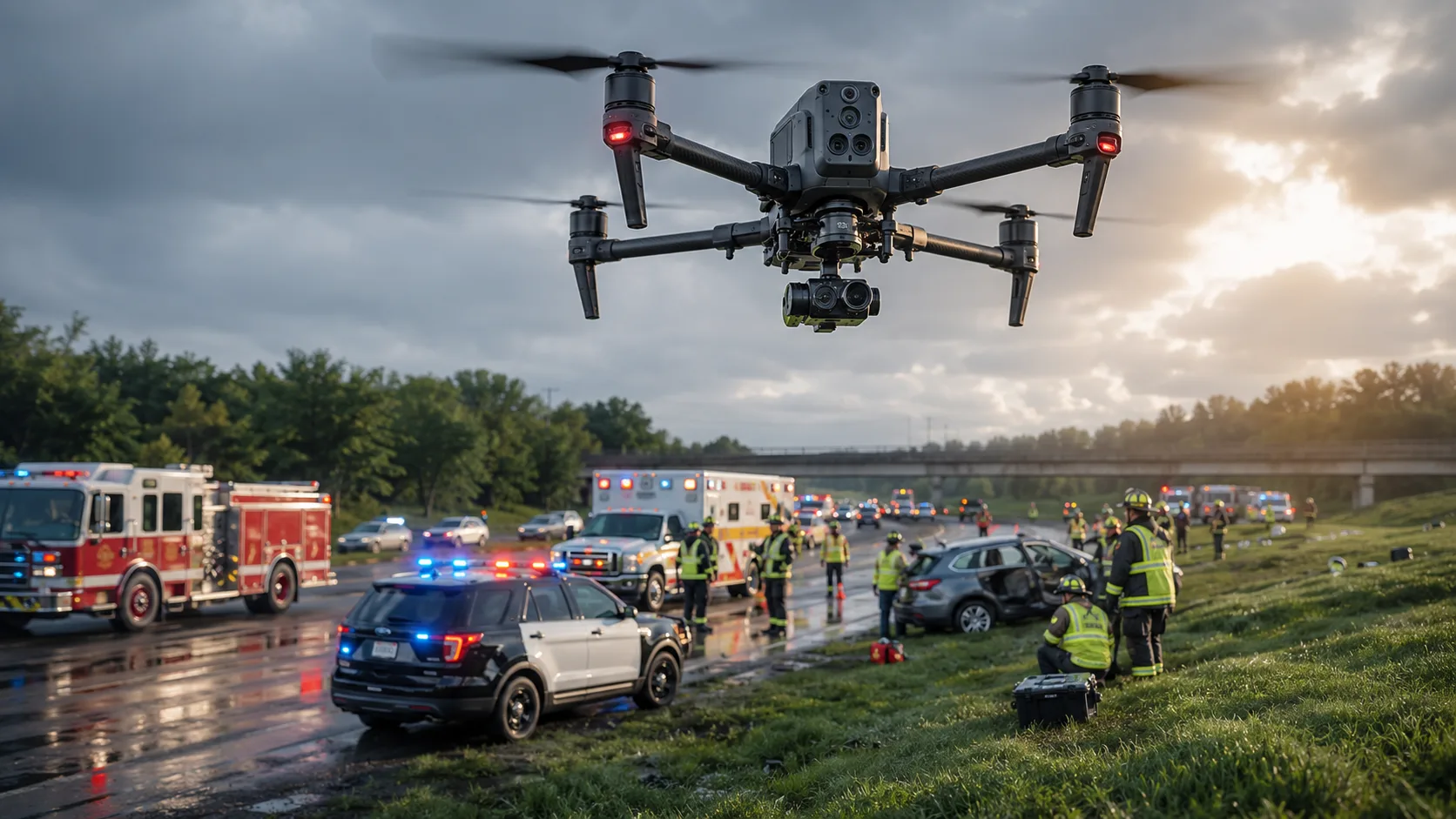
[Firefighting drones](/products/category/firefighting-drones) improve situational awareness by giving crews a clearer, faster, and safer view of active fire conditions from above. In situations where smoke, heat, darkness, and fast-changing fire behavior make ground observation difficult, drones help incident commanders see what is happening in real time and make better decisions sooner.
That matters because fire response is often shaped by what teams can understand in the first few minutes. A drone does not replace firefighters, but it gives them the information they need to position crews correctly, identify hot spots, and avoid unnecessary exposure to danger.
## Why situational awareness is so important
In an active fire, conditions can change faster than ground crews can physically assess them. Smoke may block visibility, flames may spread in unexpected directions, and hot areas may remain hidden even after the visible fire front seems contained. Without a clear understanding of the scene, teams can easily lose time or make the wrong deployment choice.
Situational awareness means knowing not just where the fire is, but how it is behaving, where the risks are, and what is likely to happen next. For firefighting teams, that includes the fire perimeter, heat intensity, access points, hidden hotspots, and any changing threats to personnel or nearby structures.
This is where drones become especially valuable. They provide an aerial perspective that helps incident commanders move from guesswork to a real-time operational picture.
## How drones improve fire scene visibility
A firefighting drone can cover an area quickly and from a safe distance, giving the command team a live look at the fire without sending personnel into uncertain conditions. That alone can improve decision-making significantly.
From above, responders can often see:
- the fire edge more clearly,
- the direction of spread,
- hidden hot zones,
- obstructions or access issues,
- and areas where smoke is limiting ground visibility.
This is particularly useful in larger fires, where the situation is too broad or too dynamic for one ground report to capture. A drone can help fill in those gaps and give the team a more complete understanding of the scene.
## The role of thermal imaging
[Thermal imaging](/solutions/public-safety-rescue-solutions) is one of the most important features in firefighting drones. In an active fire, visible light alone is rarely enough. Smoke can obscure the scene, flames can shift quickly, and apparently calm areas may still contain dangerous heat.
Thermal sensors allow teams to detect heat patterns that are not visible to the naked eye. That makes it easier to identify hotspots, monitor fire edges, and spot areas that may reignite. It also helps teams understand where the most intense heat is concentrated, which is useful for both suppression planning and crew safety.
Thermal imaging is especially useful during:
- nighttime operations,
- smoke-heavy conditions,
- post-flame hotspot checks,
- and wildfire monitoring after suppression efforts.
In many firefighting missions, thermal data is what turns a drone from a useful camera platform into a truly operational tool.
## Better decisions at the command level
One of the biggest benefits of firefighting drones is how they support command decisions. Incident commanders need a clear, current view of the fire to decide where to send crews, what equipment to deploy, and which areas require the most attention. A [live drone feed](/solutions/public-safety-rescue-solutions) helps them make those decisions with more confidence.
Instead of relying only on verbal updates from the field, commanders can see the situation as it develops. That can improve coordination between units, reduce confusion, and help teams prioritize the most urgent threats first.
In practical terms, this can lead to better:
- resource placement,
- suppression strategy,
- perimeter monitoring,
- and crew movement planning.
When the command team has a more accurate picture of the fire, the entire operation becomes more efficient.
## Safer operations for firefighters
Firefighting is inherently dangerous, and one of the most important benefits of drone support is that it can reduce unnecessary exposure. If a drone can identify a dangerous area before crews move in, it helps the team make safer choices about how to approach the scene.
This is especially important in fires where structural instability, flare-up risk, or hidden heat pockets could create serious hazards. A drone can scan an area first, allowing firefighters to avoid blind entry and reducing the chance of walking into a worsening situation.
That does not mean drones remove risk entirely. They do, however, give crews a better understanding of what is ahead, which is a major safety advantage in active fire operations.
## Use cases in wildfire and structural fire response
Firefighting drones are useful in both wildfire and structural fire contexts, though the operational goals may differ.
In wildfire response, drones can help teams monitor the fire perimeter, track spread, and find hotspots in terrain that is hard to access on foot. They are also useful for post-containment checks, where hidden heat can lead to flare-ups later.
In structural fire response, drones can help assess roof conditions, surrounding exposure risk, smoke movement, and thermal intensity around the building. They can also support scene assessment in large or complex structures where visual confirmation is difficult from the ground.
In both cases, the value is the same: a better understanding of the fire scene, sooner.
## What makes a firefighting drone effective
Not every drone is suitable for fire response. A useful firefighting drone needs to be dependable in demanding conditions and deliver information that commanders can act on quickly.
Important capabilities include:
- thermal imaging,
- stable live video transmission,
- long enough flight time for active monitoring,
- fast deployment,
- and reliable performance in challenging environments.
The drone also needs to fit into the workflow of the fire team. If it takes too long to launch or if the information is difficult to share, its value drops quickly. The best firefighting drones are the ones that help the team see more clearly without adding complexity.
## Why this matters for public safety teams
Firefighting drones are not just about technology. They are about making fire operations smarter and safer. In active fires, every minute counts, and better situational awareness can directly affect outcomes.
For [public safety teams](/solutions/public-safety-rescue-solutions), drones help bridge the gap between what is happening on the ground and what command staff need to know to respond effectively. That makes them a practical part of modern firefighting strategy, especially in environments where visibility is limited and conditions change fast.
## How Stroni supports firefighting missions
[Stroni](/)’s firefighting and rescue drones are designed to support missions where visibility, speed, and thermal awareness matter. For fire departments and emergency response teams, the right UAV platform can provide the aerial intelligence needed to improve response decisions and support safer operations.
The goal is not to replace the fire crew. It is to give them a better view of the fire so they can act with more confidence and control.
## Final thoughts
Firefighting drones improve situational awareness by showing crews what is happening above, beyond, and inside the limits of ground visibility. In active fires, that means better detection of hotspots, better understanding of fire spread, and better command decisions.
For teams working in dangerous and fast-changing conditions, that early clarity can make a meaningful difference in both safety and effectiveness.
Frequently Asked Questions
How do firefighting drones improve situational awareness?
+
Firefighting drones provide real-time aerial views and thermal imaging, allowing commanders to spot hidden hotspots, track fire spread, and safely coordinate crews.
Can drones detect hidden fires?
+
Yes, firefighting drones equipped with thermal sensors can detect heat patterns invisible to the naked eye, exposing hidden hot zones and flare-up risks.
Continue Exploring
Continue Exploring
Keep the momentum going with a few related reads selected to extend this topic into strategy, deployment, and practical field use.
Want more industry insights?
Explore drone applications, implementation playbooks, and operational best practices with our editorial team.