
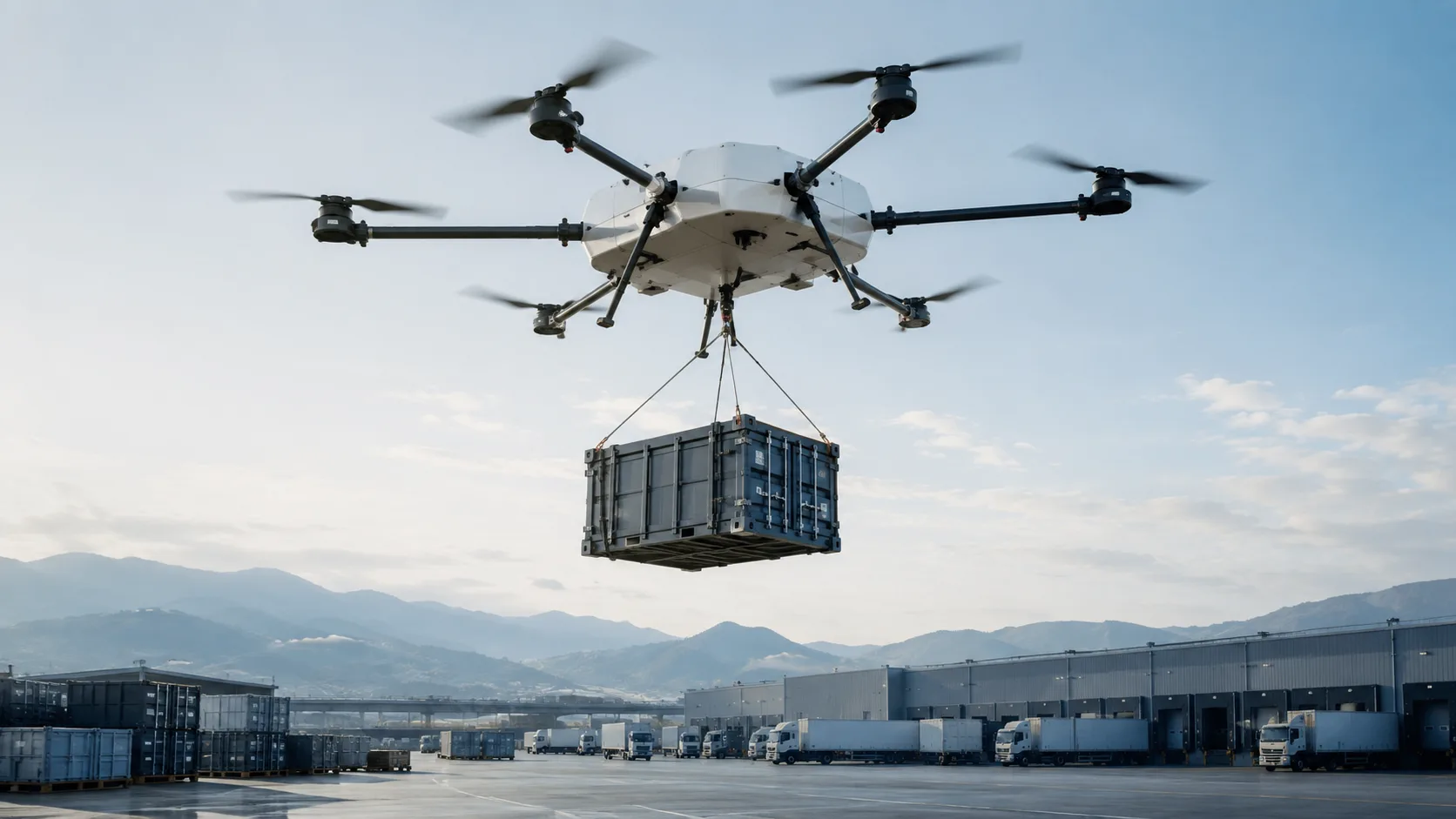
What Businesses Should Know Before Choosing a Heavy-Lift Cargo UAV
A practical decision framework for selecting heavy-lift cargo UAVs based on mission fit, safety, and operational value.

April 29, 2026
Choosing a heavy-lift cargo UAV is not only a payload decision. For most businesses, success depends on whether the system can move materials safely, reliably, and efficiently in the exact operating environment where it will be deployed.
A platform that looks strong on paper may still fail in real operations if it cannot match route profile, cargo type, weather exposure, launch constraints, or dispatch workflow. That is why selection should be based on mission fit, not headline specs.
Start With the Mission, Not the Drone
The first step is defining the mission clearly. Heavy-lift UAV use cases vary widely: emergency supply delivery, construction-site transport, industrial shuttle routes, and remote logistics all have different priorities.
Before comparing aircraft, teams should define:
- What type of cargo will be transported
- Typical and peak payload weight
- Route distance and altitude profile
- Flight frequency and turnaround requirements
- Terrain, weather, and site constraints
“Heavy-lift” does not mean the same thing for every business. The best platform is the one that aligns with the mission profile you need to run repeatedly.
Payload Capacity Is Only Part of the Story
Payload capacity is important, but it is only one variable in a multi-variable decision. Real performance changes when battery draw, wind load, route complexity, and repeated mission cycles are included.
Buyers should evaluate:
- External sling load versus protected cargo bay requirements
- Flight stability with mission-representative payload geometry
- Range and endurance impact at operational payload weight
- Consistency across repeated sorties, not just single demonstration flights
Many organizations use this evaluation alongside broader cargo transport solutions planning to ensure air transport fits existing logistics decisions.
Endurance and Range Matter Just as Much
A heavy-lift UAV that cannot complete the route under field conditions is not operationally useful. Businesses should validate full mission profiles with realistic payload and weather assumptions, not simplified bench-test scenarios.
It is also critical to assess cycle efficiency. If recharge windows, battery swap procedures, or maintenance intervals are too slow, daily throughput will suffer even if single-flight specs look good.
Operating Environment Can Redefine Performance
UAV performance is environment-dependent. Wind corridors, confined takeoff zones, dust, moisture, heat, and local airspace restrictions all influence safety and mission reliability.
In practical procurement terms, environment is part of the specification. A model that performs in open demonstration airspace may underperform in industrial corridors or remote terrain unless it is selected and configured for those realities.
Safety and Reliability Are Non-Negotiable
Moving heavy payloads through the air introduces risk by default. Safety engineering and reliability should be treated as procurement gates, not optional features.
- Redundancy in critical systems
- Stable flight behavior under full load
- Failsafe and emergency landing logic
- Battery and power-management controls
- Maintenance clarity and serviceability
For businesses evaluating platform options, reviewing a proven heavy-lift cargo UAV category lineup against mission requirements is often a practical starting point.
Think in Workflow, Not Aircraft Specs
A cargo UAV is one component in a larger process: mission planning, loading, dispatch, transit, landing, unloading, and post-flight checks. If any step is slow or fragile, total operational value drops.
Decision-makers should ask:
- How quickly can the system be deployed by field teams?
- How many operators are required per shift?
- What training curve is needed for consistent execution?
- How well does the workflow integrate with current logistics operations?
Real scalability depends on low-friction daily use, not one-time technical success.
Measure Cost Against Operational Value
The right question is not only purchase price. It is total operational value over time. A higher upfront investment can still deliver stronger business results if it improves mission success rate, reduces delay, and lowers risk exposure.
Cost evaluation should include operating expenses, maintenance burden, training time, expected service life, and scalability across future use cases.
Teams often benchmark field-readiness against a relevant high-payload transport case study to validate assumptions before large rollout.
Why the Right Partner Matters
Choosing a supplier is part of choosing the system. A strong partner supports mission design, deployment planning, integration, and long-term operational continuity, not just product delivery.
If procurement teams need a broader evaluation framework, this guide on what to evaluate in industrial UAV procurement provides a useful decision checklist that also applies to heavy-lift programs.
Final Thoughts
Before selecting a heavy-lift cargo UAV, focus on mission fit first. Payload matters, but so do endurance, reliability, safety, workflow integration, and environmental adaptability.
The best platform is the one that performs consistently, safely, and efficiently under real operating conditions. When that happens, UAV cargo transport becomes a dependable part of business logistics strategy.

About the Author:Wei Chen is the Chief UAV Engineer at Stroni, focusing on the architectural design and flight control system optimization of industrial multi-rotor platforms. Learn more →
Frequently Asked Questions
What payload range qualifies as heavy-lift for business operations?
+
It depends on mission profile. Many industrial programs define heavy-lift by required payload under real route conditions rather than a single advertised max-load number.
How should businesses validate heavy-lift UAV performance before purchase?
+
Run mission-representative trials with actual payload shape, route distance, and environmental constraints. Validate repeatability, not only one successful flight.
What is the biggest procurement mistake in heavy-lift UAV selection?
+
Over-prioritizing headline payload while underestimating endurance, workflow fit, maintenance cycle, and operator requirements for daily operations.
How can businesses estimate ROI for cargo UAV deployment?
+
Compare current transport cost, delay risk, labor burden, and access constraints against expected UAV mission throughput, reliability, and lifecycle operating cost.
Continue Exploring
Continue Exploring
Keep the momentum going with a few related reads selected to extend this topic into strategy, deployment, and practical field use.
Featured Read
Why UAV Inspection Is Becoming Standard in Industrial Operations
Industrial Inspection · Mar 29, 2026
Recommended
What to Look for in an Industrial Inspection UAV
Industrial Inspection · Mar 21, 2026
Recommended
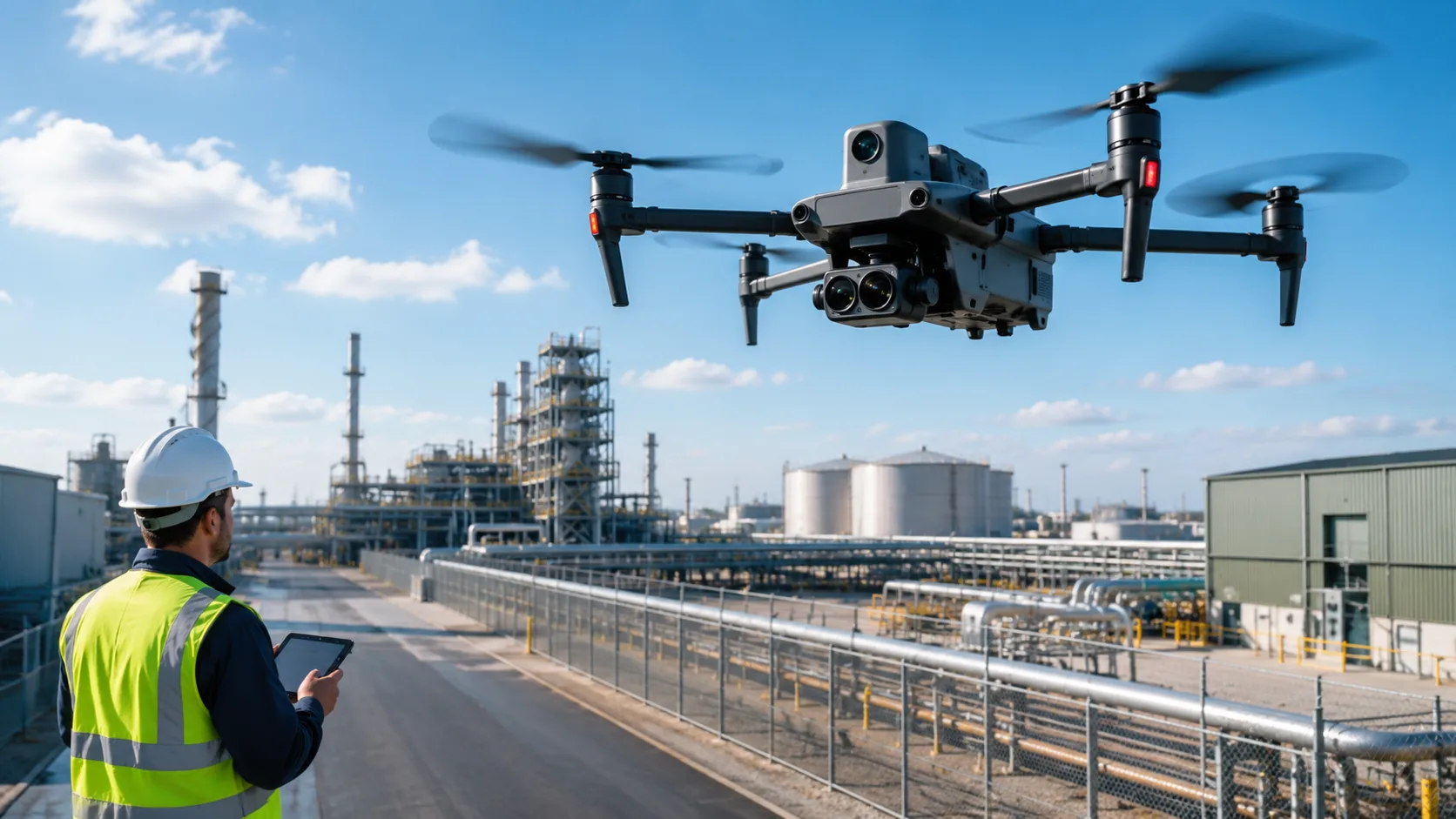
How Drones Fit Into Industrial Monitoring Workflows
Industrial Inspection · Apr 5, 2026
Recommended
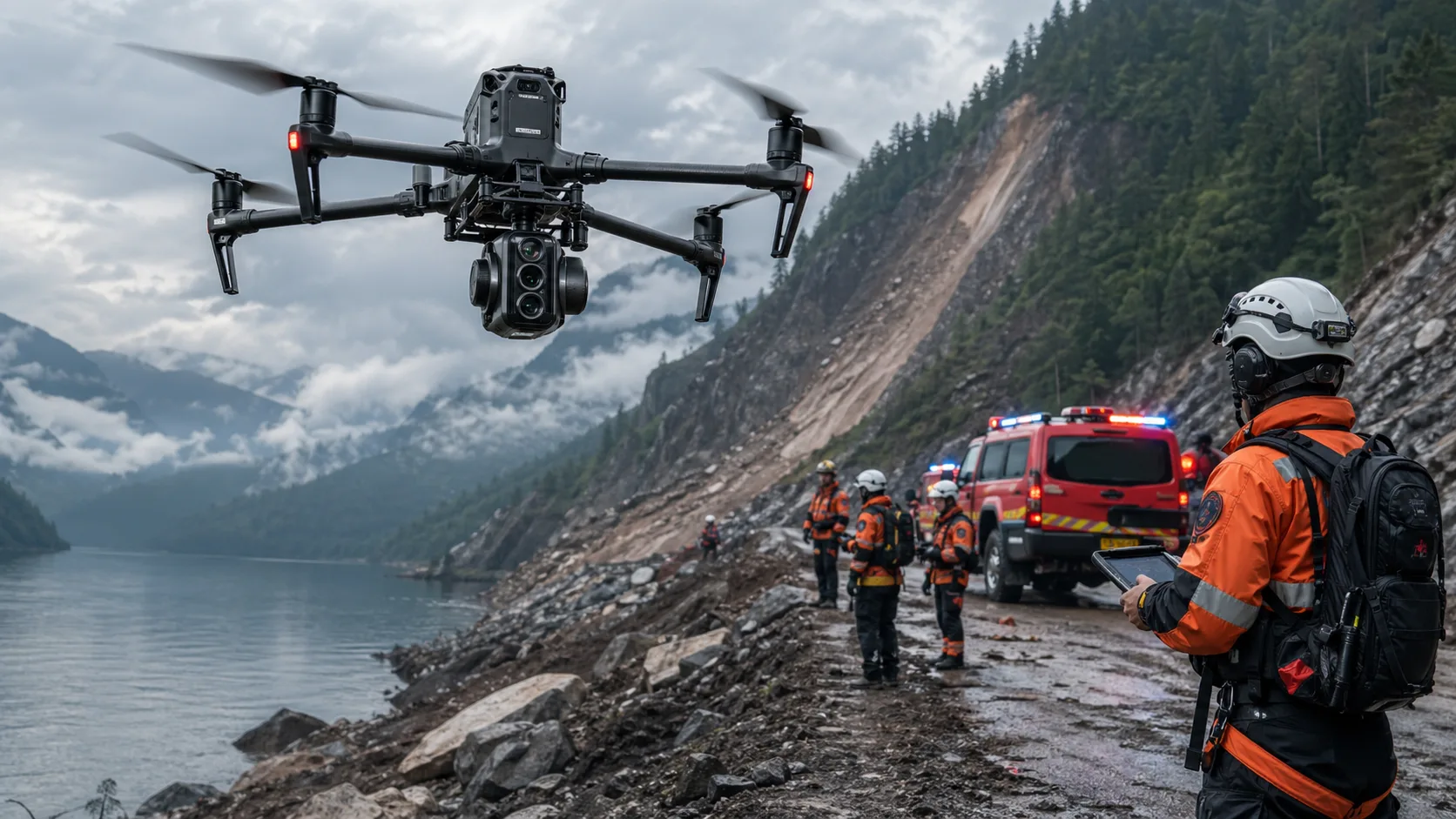
Thermal Imaging Drones for Public Safety: How They Support Search and Rescue
Public Safety · Apr 18, 2026
Recommended
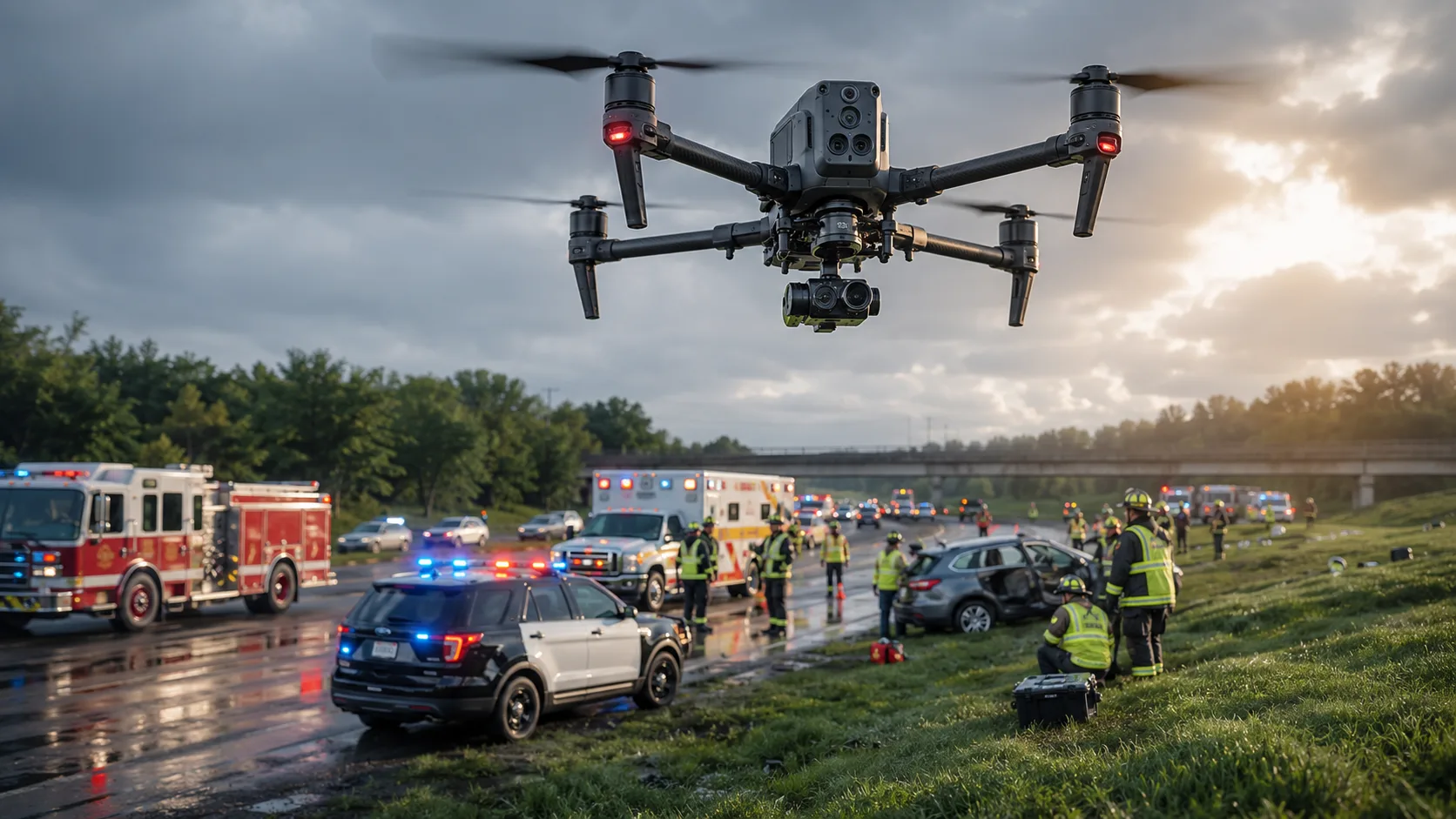
Drone as First Responder: Turning the First Minutes of an Emergency Into Actionable Intelligence
Public Safety · Apr 24, 2026
Want more industry insights?
Explore drone applications, implementation playbooks, and operational best practices with our editorial team.