
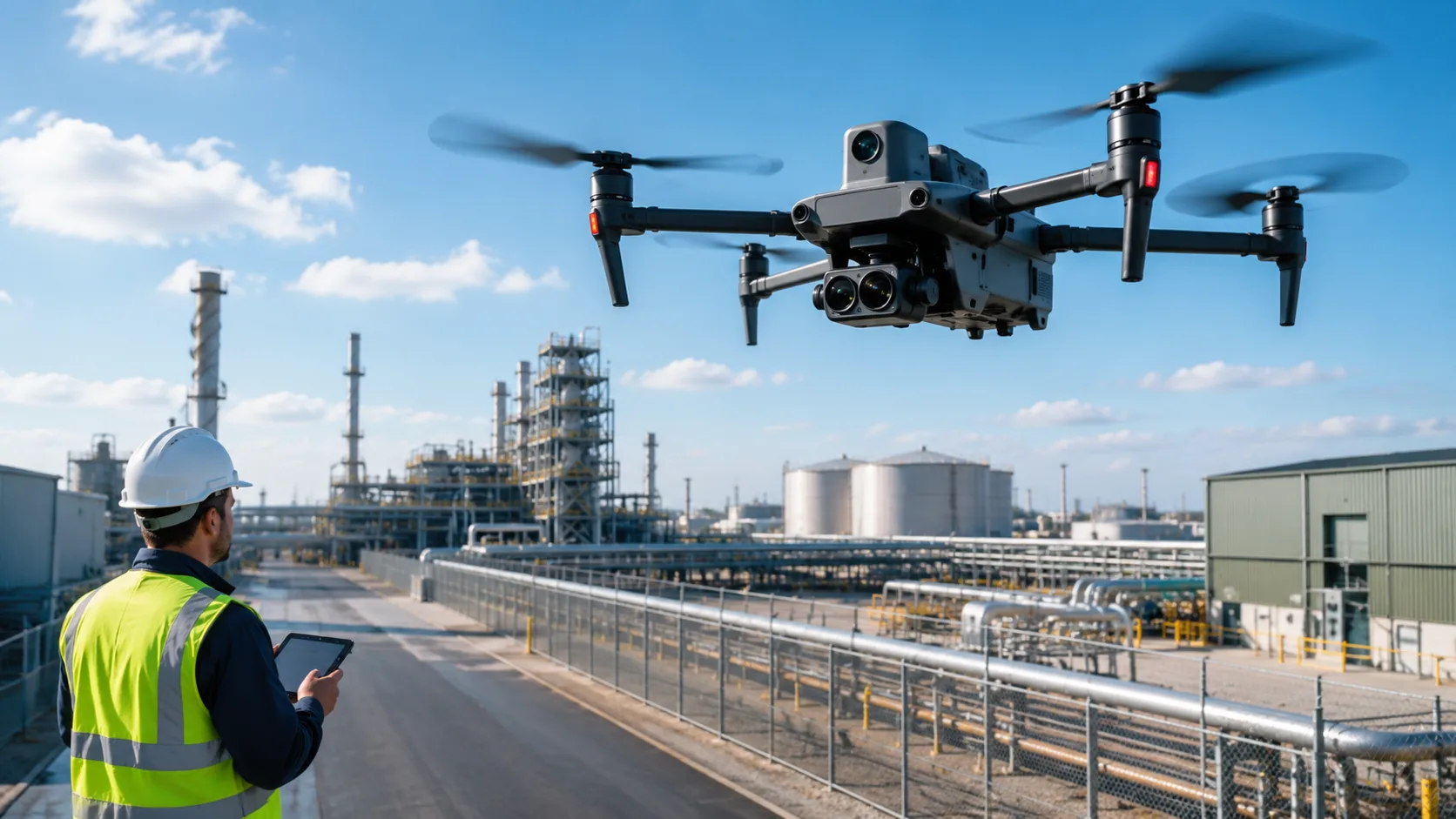
How Drones Fit Into Industrial Monitoring Workflows
Discover how drones integrate into industrial monitoring workflows to verify alerts, patrol perimeters, and support faster operational decisions.
April 5, 2026
Industrial monitoring is no longer just about fixed cameras, routine walk-throughs, and occasional manual inspections. As facilities grow larger and operations become more complex, businesses need faster ways to detect issues, verify alerts, and keep people and assets safe. That is where drones are becoming a practical part of the workflow, not just an extra tool.
Drones fit into industrial monitoring by adding mobility, speed, and a live aerial perspective to processes that are often too slow or too limited when handled only from the ground. In many industrial environments, that means better visibility, quicker response, and more efficient decision-making.
Why industrial monitoring needs more than fixed systems
Most industrial sites already rely on some combination of cameras, sensors, patrols, and maintenance routines. Those systems are useful, but they have limits. Fixed cameras cannot move. Sensors can alert you to a problem, but they cannot always show you exactly what is happening. Ground patrols can only cover so much area at a time.
That creates blind spots, especially in large facilities, outdoor yards, remote assets, or high-risk areas. When an issue occurs outside the direct view of a camera or beyond the reach of a patrol, teams may lose time figuring out what is happening and where to send people first.
Drones help solve that problem by giving teams a flexible way to see more, faster. They can be deployed on demand, used to check hard-to-reach areas, and positioned where traditional systems cannot easily go. For industrial monitoring, that flexibility is a major advantage.
Where drones fit best in the workflow
The most effective use of drones in industrial monitoring is not random flying. It is placing them at the points in the workflow where faster visibility creates the most value.
Alert verification
One of the clearest use cases is alert verification. If a sensor, camera, or operator detects something unusual, a drone can be launched to confirm what is actually happening. That helps reduce false alarms and gives security or operations teams a better understanding of the situation before they send personnel in.
Perimeter monitoring
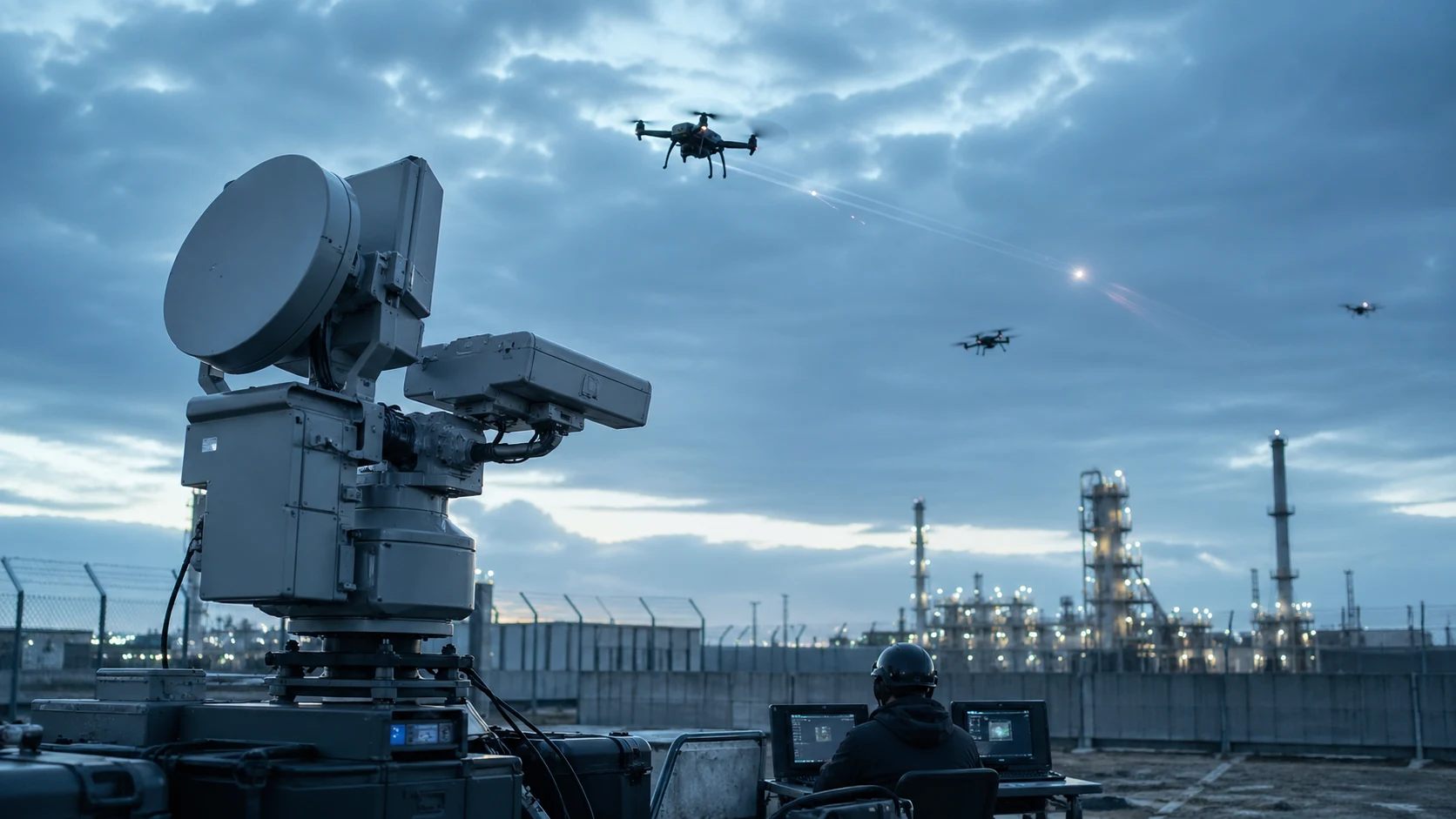
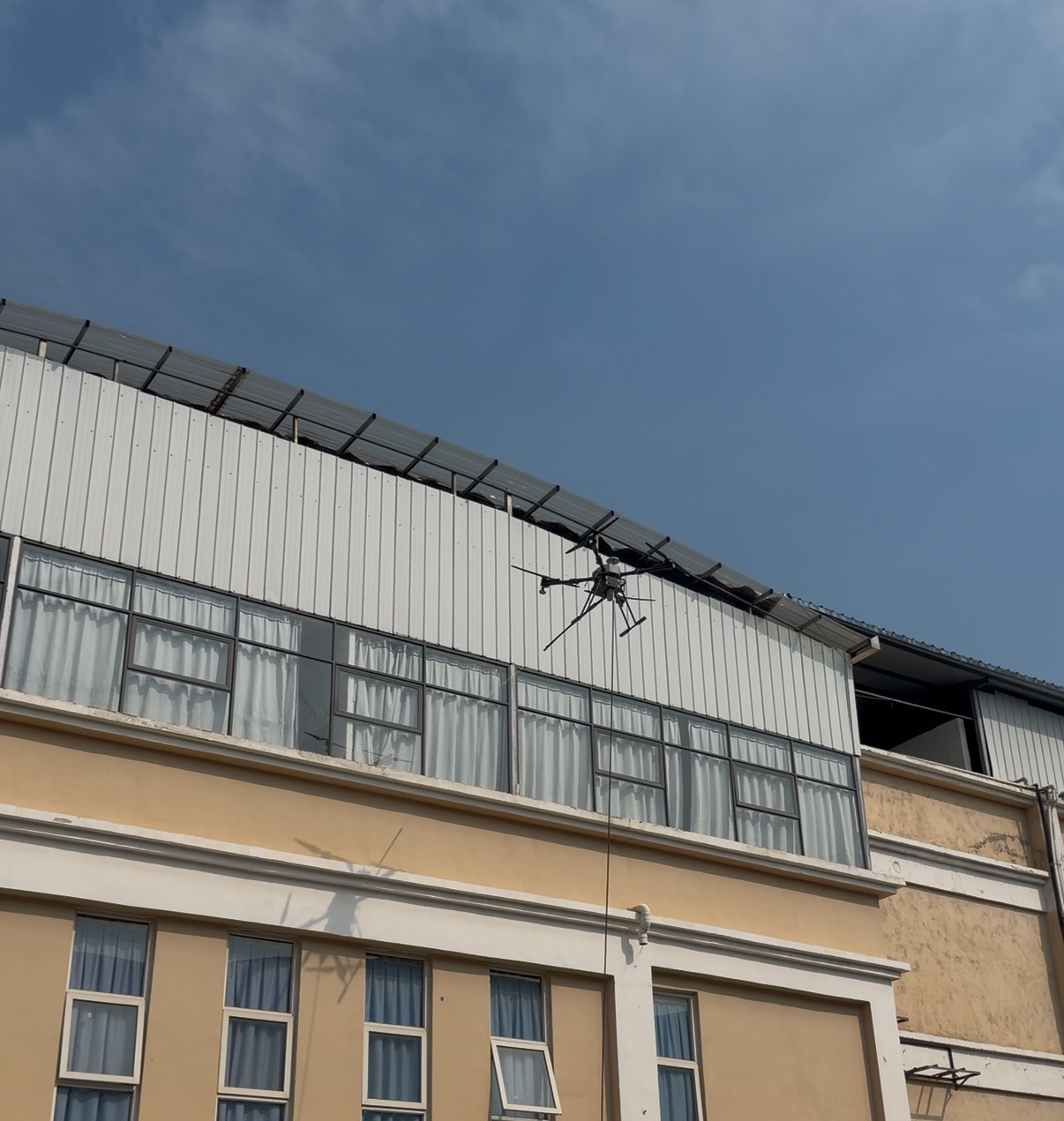
Drones are also useful for perimeter patrols. Large facilities often have boundaries, access roads, storage areas, and remote sections that are difficult to monitor continuously from the ground. A drone can cover these areas quickly and help teams identify suspicious activity, damaged fencing, or unexpected movement.
Routine site checks
In addition to responding to alerts, drones can be used for scheduled monitoring. This is especially helpful for facilities that need regular visual checks of rooftops, yards, structures, or equipment. Instead of relying on one-off inspections, businesses can build drone flights into their normal monitoring schedule.
Pre-maintenance assessments
Before maintenance teams go on site, a drone can provide a current view of the area. That helps teams understand the conditions ahead of time, plan access more effectively, and reduce surprises once work begins.
A typical industrial drone workflow
A good industrial monitoring workflow should be simple, repeatable, and tied directly to operational decisions. In practice, it often looks like this:
- A sensor, camera, or patrol identifies a possible issue.
- The team decides whether aerial verification is needed.
- A drone is launched to the target area.
- Live video or imagery is reviewed in real time.
- The team decides whether the issue is minor, urgent, or needs escalation.
- The findings are documented and shared with the relevant group.
This process may seem straightforward, but the impact is significant. Instead of relying on secondhand reports or delayed ground checks, decision-makers can see the site in real time and act faster.
That is what makes drones valuable in industrial monitoring: they shorten the gap between detection and understanding.
How drones support different teams
One reason drones are fitting so well into industrial monitoring workflows is that they support multiple teams at once. A single aerial feed can be useful to security, maintenance, operations, and management depending on the situation.
- Security teams: Use drones to monitor perimeters, verify alarms, and check suspicious activity. In large or low-visibility environments, that aerial perspective helps them respond more confidently.
- Maintenance teams: Use drones to inspect structures, identify potential issues, and prioritize follow-up work. Instead of climbing or entering every area manually, they can use aerial views to decide where attention is needed first.
- Operations teams: Use drone data to understand site conditions, coordinate work, and reduce disruption. If a facility issue affects production or logistics, drones can provide a quicker assessment and help operations leaders plan around it.
- Management teams: At the management level, drone monitoring provides better situational awareness. Leaders can see what is happening on site and make decisions based on current information rather than outdated reports.
What makes the workflow effective
A drone only adds value if it fits cleanly into the broader process. That means the workflow matters as much as the hardware.
First, the drone should be fast to deploy. If it takes too long to get airborne, the advantage is reduced. Second, the video or imagery should be clear enough to support real decisions. If the feed is difficult to interpret, the drone becomes less useful. Third, the data should be easy to share with the right people so the response or maintenance action can happen quickly.
It also helps when drone use is built into the workflow from the beginning. If teams treat drone flights as a separate or occasional activity, they are less likely to realize the full value. But when aerial monitoring becomes part of a repeatable process, the results are much more consistent.
Why workflow integration matters more than hardware alone
It is easy to focus on features when evaluating a drone. Camera quality, flight time, and stability all matter. But in industrial monitoring, the real question is not just what the drone can do. It is how well it fits into the way the business already works.
A highly capable drone that is difficult to deploy or hard to integrate into existing operations will often underperform in practice. A simpler system that fits smoothly into the workflow may actually create more value.
That is why industrial teams should think beyond the aircraft itself. They should ask how the drone will be used, who will use it, what decisions it will support, and how often it will be deployed. The more clearly those questions are answered, the better the results will be.
Industrial use cases where drones make a difference
Drones are especially useful in industrial monitoring environments such as:
- factories and plants.
- storage yards.
- energy facilities.
- utilities and infrastructure sites.
- large industrial campuses.
- remote or hard-to-access assets.
In each of these cases, the goal is the same: get better visibility with less delay and less risk. Drones help teams see issues earlier, respond more efficiently, and reduce the chance of overlooked problems.
How Stroni supports industrial monitoring
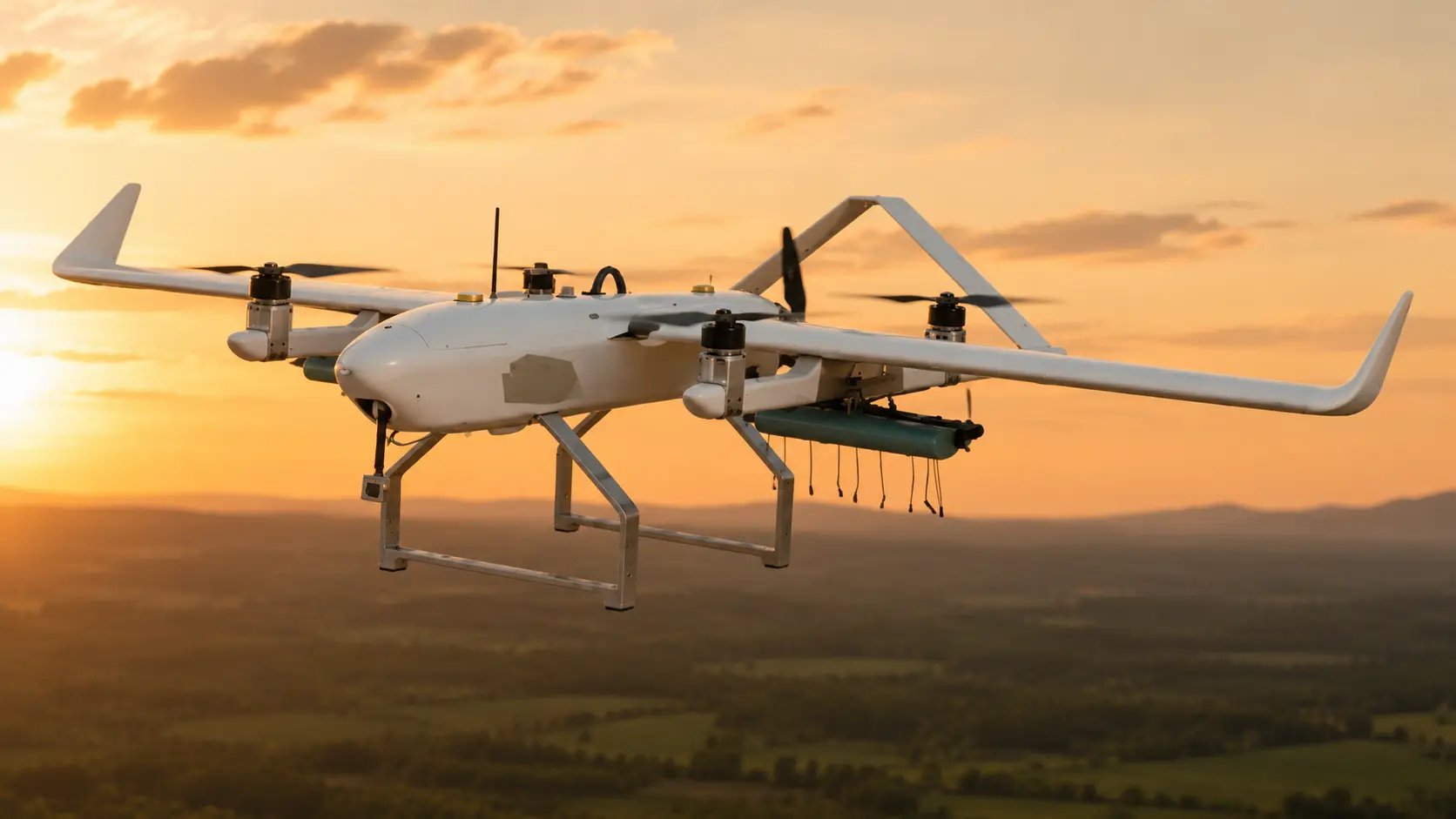
Stroni’s industrial UAVs are designed to support monitoring workflows where reliability and speed matter. For businesses that need a practical aerial layer in their operations, the right drone can improve how quickly teams verify issues, assess conditions, and coordinate next steps.
The value is not just in flight performance. It is in how the drone helps teams turn visual information into action. When drone use is tied to a real workflow, it becomes more than a tool. It becomes part of the industrial monitoring system itself.
Final thoughts
Drones fit into industrial monitoring workflows by making the process faster, more flexible, and more informative. They help verify alerts, monitor perimeters, support maintenance, and give teams a clearer view of what is happening on site.
For businesses managing large or complex industrial environments, that can mean better decisions, safer operations, and less wasted time. As industrial monitoring continues to evolve, drones are becoming a practical part of how modern teams keep control of their sites and assets.
Disclaimer: The operational concepts discussed in this article are for educational and informational purposes only. They do not substitute for official security protocols or standard operating procedures (SOPs) established by facility management.
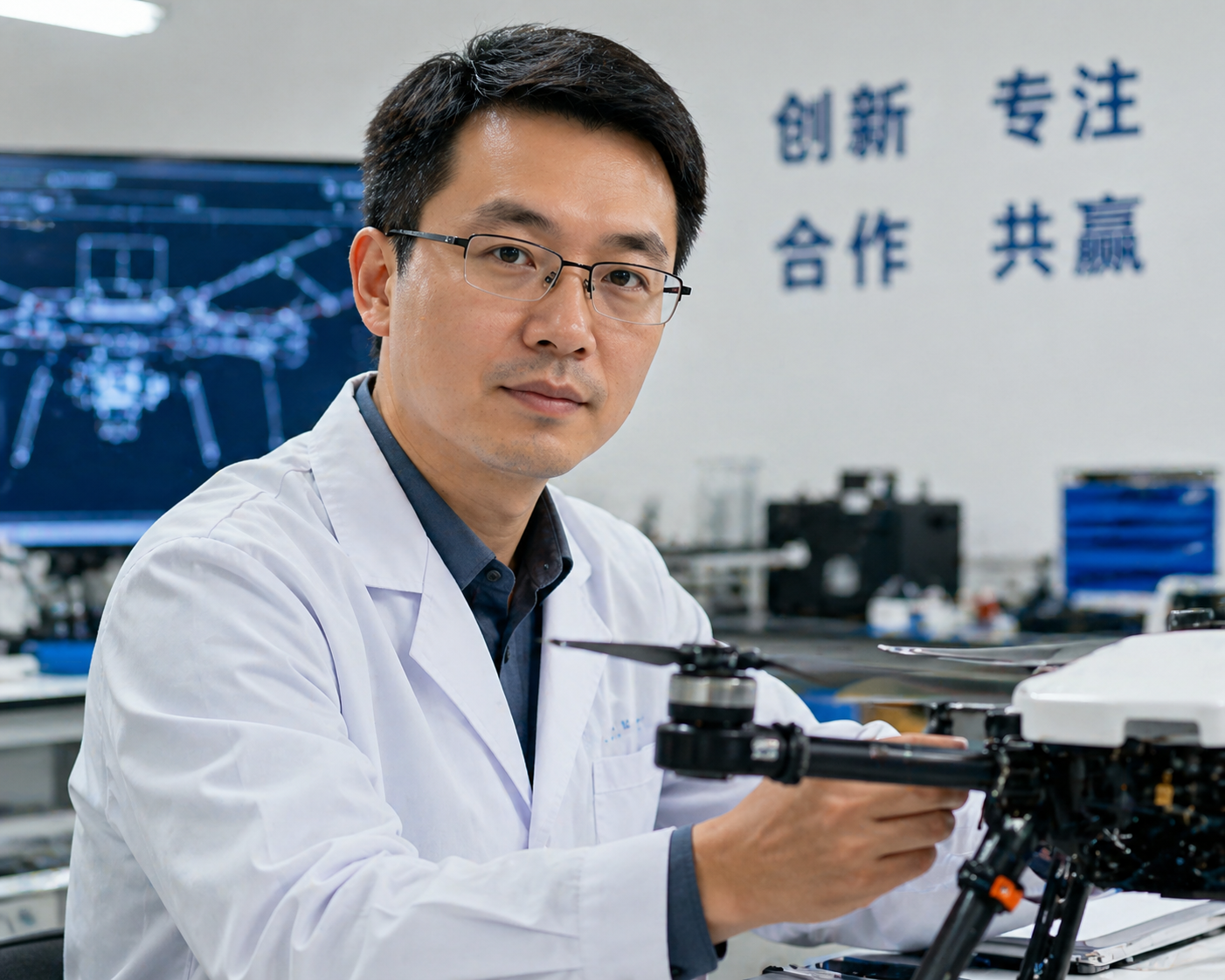
About the Author:Wei Chen is the Chief UAV Engineer at Stroni, focusing on the architectural design and flight control system optimization of industrial multi-rotor platforms. Learn more →
Frequently Asked Questions
How do drones improve industrial alert verification?
+
When a fixed sensor or camera detects an anomaly, a drone can be rapidly deployed to provide live aerial video of the exact location, allowing teams to confirm the issue before sending ground personnel.
Can drones replace fixed security cameras?
+
No, drones are meant to complement fixed cameras. While fixed cameras provide continuous monitoring of specific points, drones offer on-demand mobility to cover blind spots, large perimeters, and remote assets.
Continue Exploring
Continue Exploring
Keep the momentum going with a few related reads selected to extend this topic into strategy, deployment, and practical field use.
Featured Read
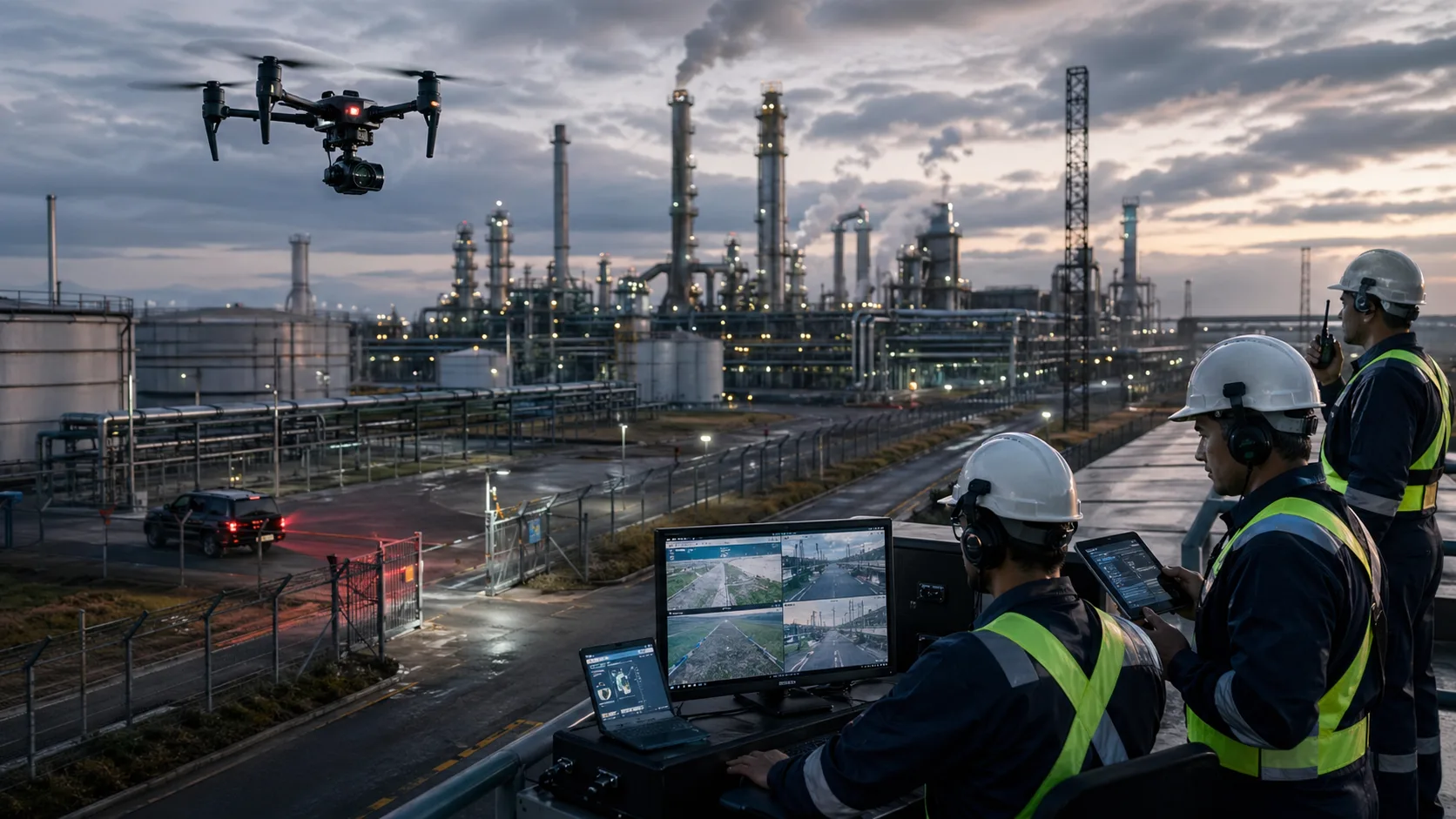
Why Security Teams Are Adding Drones to Industrial Monitoring Workflows
Industrial Security · May 4, 2026
Recommended
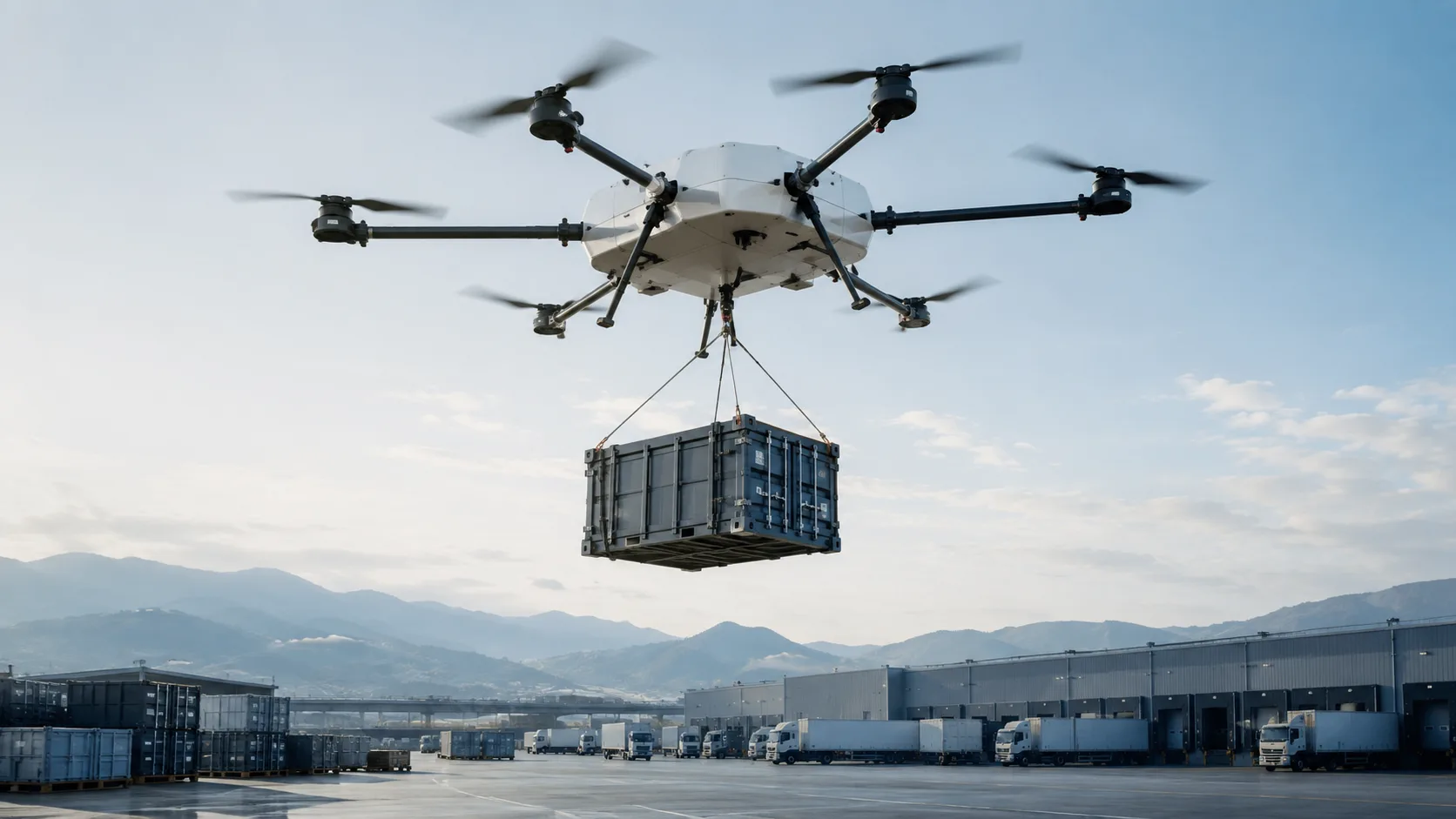
What Businesses Should Know Before Choosing a Heavy-Lift Cargo UAV
Industrial Logistics · Apr 29, 2026
Recommended
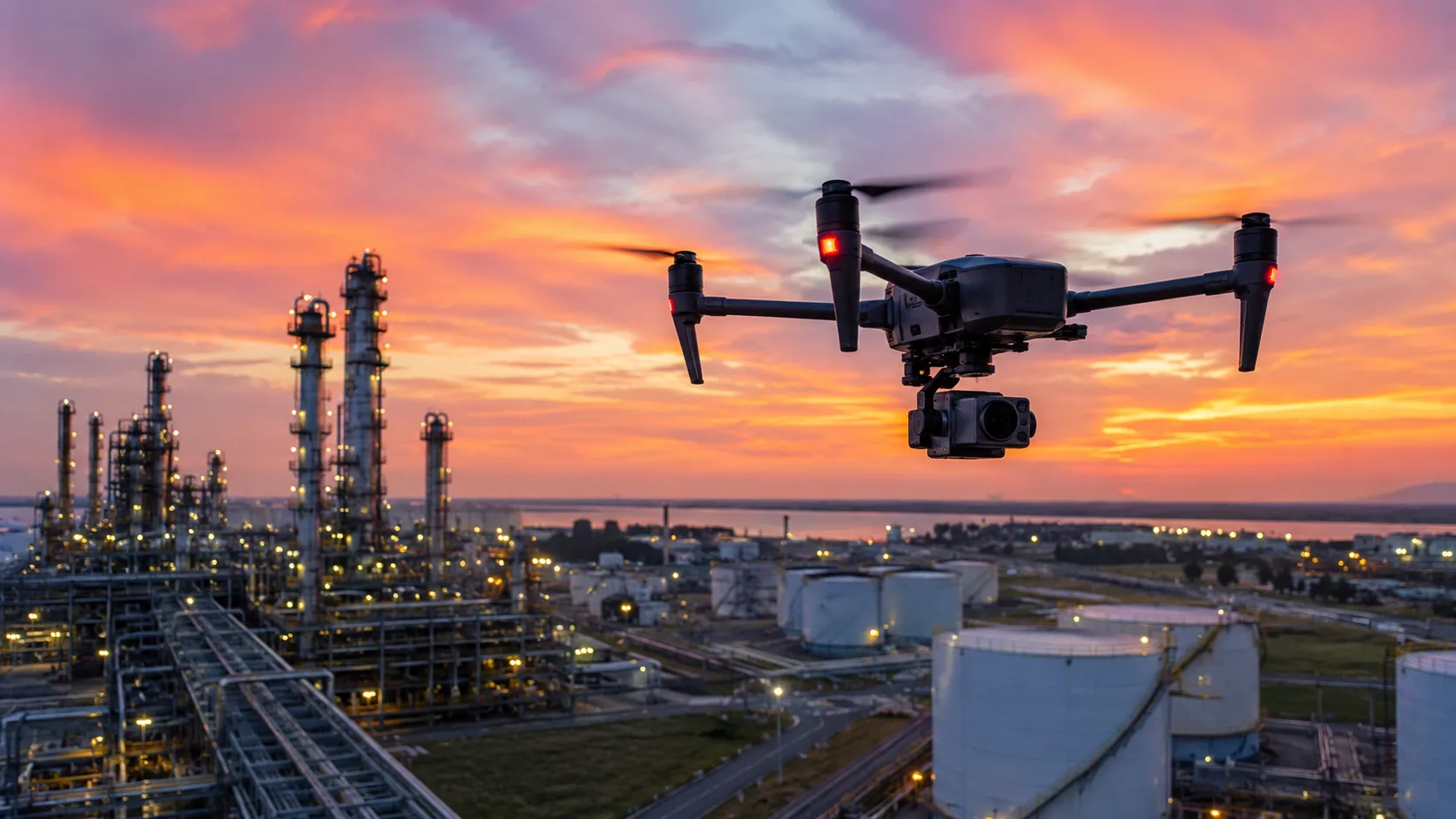
Why UAV Inspection Is Becoming Standard in Industrial Operations
Industrial Inspection · Mar 29, 2026
Recommended
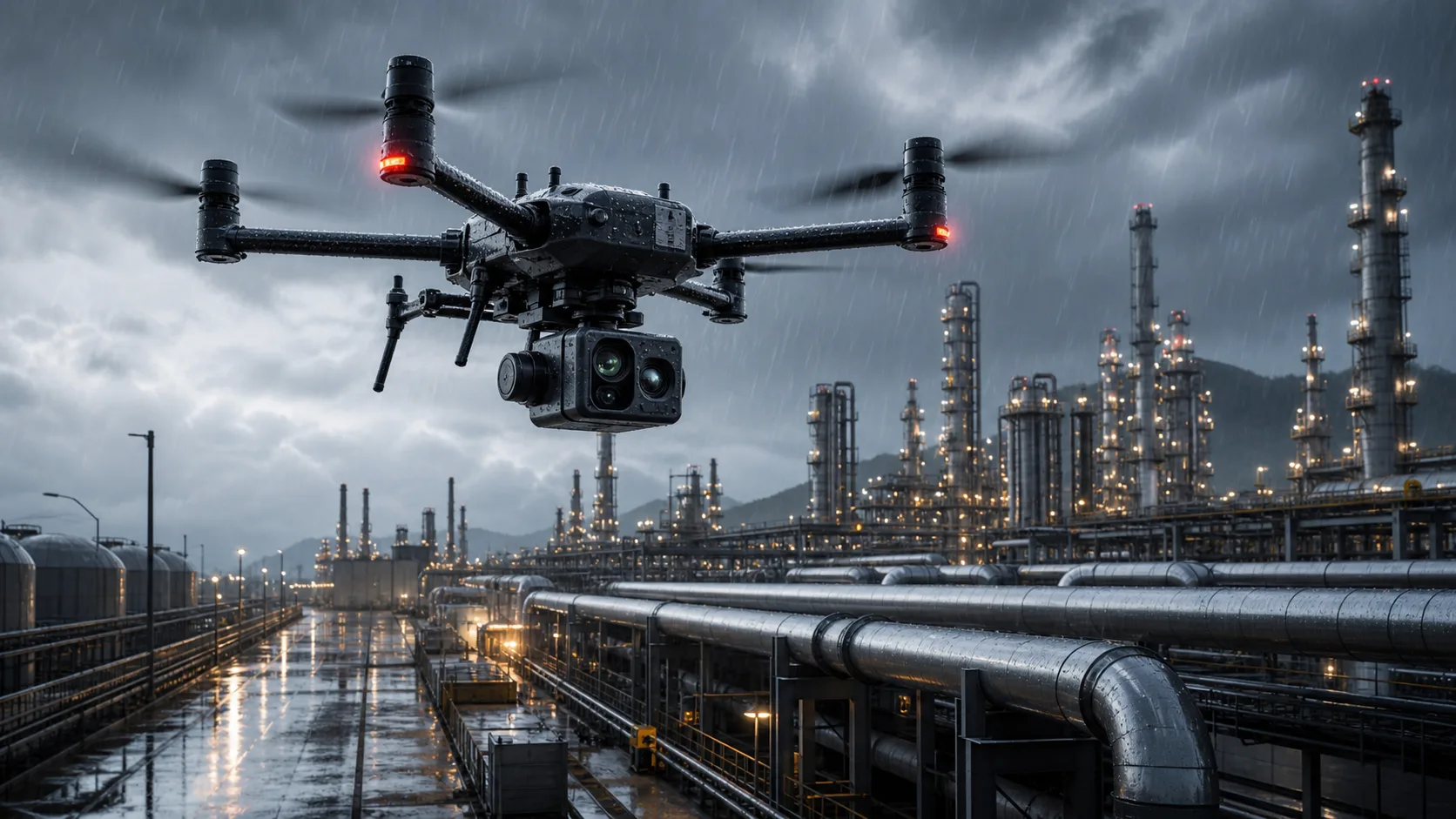
What to Look for in an Industrial Inspection UAV
Industrial Inspection · Mar 21, 2026
Recommended
How Stroni UAV Is Rethinking Automated Drone Cleaning
Cleaning Drone · Sep 14, 2026
Want more industry insights?
Explore drone applications, implementation playbooks, and operational best practices with our editorial team.