What to Look for in an Industrial Inspection UAV
A practical buyer guide for teams evaluating UAV platforms for industrial inspections
March 21, 2026
Choosing an industrial inspection UAV is not just a matter of comparing flight specs. For businesses that rely on accurate inspections, the right drone can improve safety, reduce downtime, and make asset monitoring far more efficient. The wrong one, however, can create more complexity than it solves.
That is why industrial teams should evaluate inspection drones based on real operational needs, not just on headline numbers. A good industrial inspection UAV must be able to fly reliably, capture usable data, fit into existing workflows, and perform consistently in demanding environments. When those elements come together, the drone becomes a practical tool for maintenance, safety, and decision-making.
Why Industrial Inspection Is Shifting to UAVs
Traditional industrial inspections often require workers to climb structures, enter confined areas, or use specialized access equipment just to see what is happening. That takes time, increases labor costs, and exposes personnel to unnecessary risk. In some cases, the inspection itself is the most difficult part of the maintenance process.
This is one reason UAV inspection is becoming more common across industries. Drones make it possible to inspect rooftops, towers, pipelines, wind turbines, bridges, and factory assets without sending people directly into hazardous areas. They also make it easier to collect visual data quickly, which helps companies spot issues sooner and respond before small problems become expensive ones.
For businesses managing critical infrastructure or high-value equipment, that speed and flexibility matter. Inspections are no longer just about checking a box. They are about keeping operations safe, efficient, and uninterrupted.
The First Thing to Look At: Mission Fit
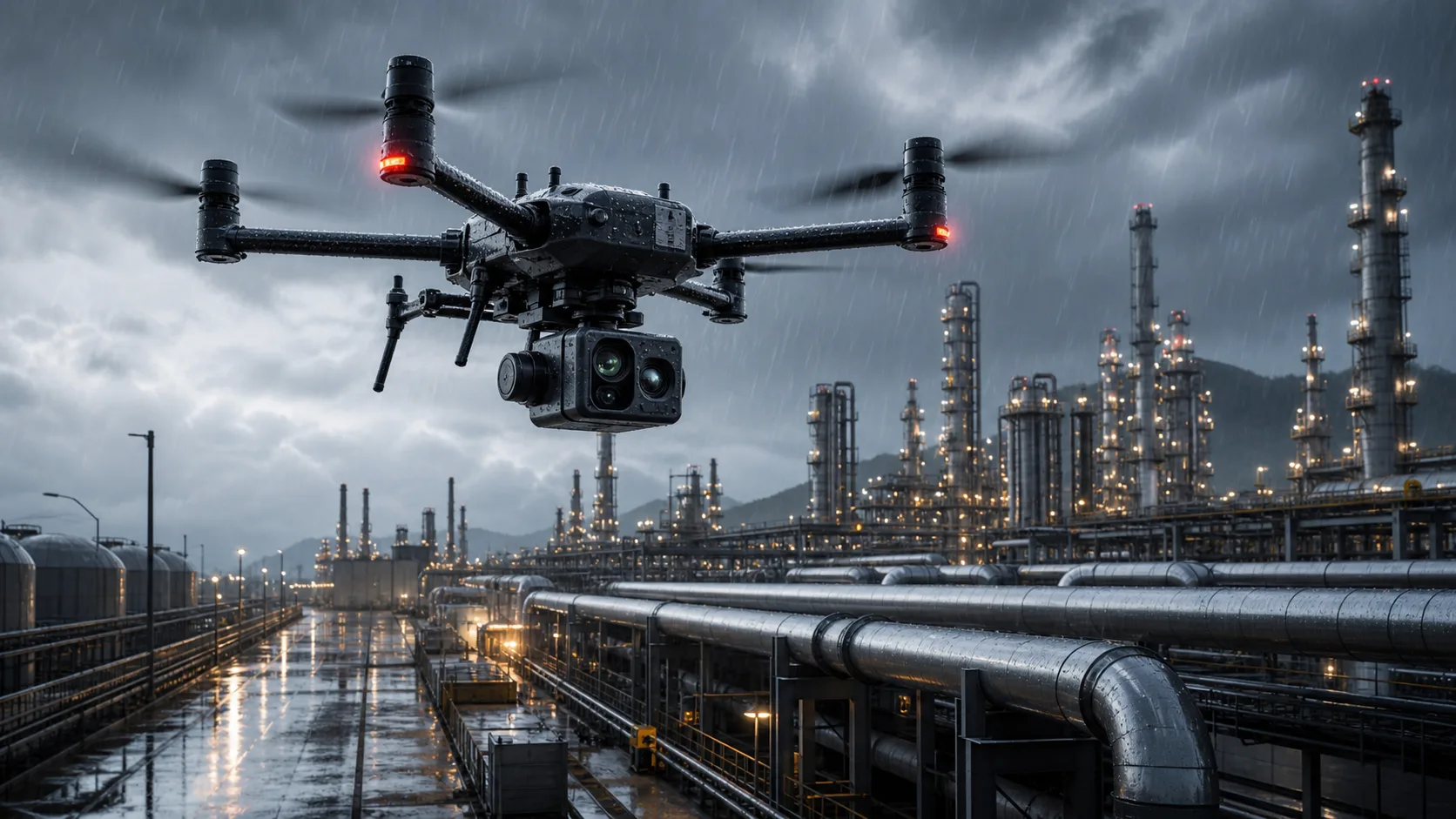
Before comparing drone models, businesses should start with the mission. An industrial inspection UAV for a wind farm may need different capabilities than one used in a factory, on a rooftop, or along a pipeline corridor. If the aircraft is not built for the actual inspection environment, it will not deliver the expected value.
Ask basic questions first:
- What assets need to be inspected?
- How often will inspections happen?
- What kind of environment will the drone fly in?
- Does the team need thermal imaging, zoom, or both?
- How far and how long does the drone need to fly?
These questions matter because industrial drone inspection is not a one-size-fits-all activity. A drone that works well for short, indoor, or low-altitude inspections may not be suitable for outdoor industrial sites with wind, distance, or changing conditions. The right UAV should match the operational reality of the business.
Camera Quality Affects Inspection Value
One of the most important features in any inspection UAV is camera quality. If the drone cannot capture clear, detailed images, then the inspection data will be limited no matter how well the aircraft flies. For industrial use, image quality is not a nice-to-have feature. It is essential.
In many cases, businesses need both a visible-light camera and a zoom function to examine details from a safe distance. This is especially useful when inspecting hard-to-reach assets or when the team wants to avoid physically moving closer to a potentially dangerous area. Thermal imaging can also be important, particularly for electrical systems, overheating equipment, or fire-related assessments. That is exactly why thermal workflows are increasingly used on assets such as a utility-scale solar farm.
The key point is that the image must be useful for decision-making. If the footage is too blurry, too unstable, or too limited in detail, the inspection will likely need to be repeated. That adds time and cost instead of saving it.
Flight Stability and Endurance Matter More Than People Think
A drone used for industrial inspection must be stable in real conditions, not just in ideal test flights. Wind, distance, temperature, and payload all affect performance. If the drone cannot maintain stable flight while carrying the necessary camera system, it may not produce reliable inspection data.
Endurance is equally important. A short flight time may be enough for a quick look, but industrial inspections often require more than that. Teams may need to inspect multiple assets, survey a larger site, or collect repeat views from different angles. If the drone has to land too often, the workflow becomes slower and less efficient.
For industrial teams, the real question is not whether the drone can take off. It is whether it can complete the mission efficiently and consistently.
Fast Deployment Improves Real-World Usability
Inspection drones are most valuable when they can be deployed quickly. If a team has to spend too much time setting up equipment, checking systems, or navigating a complicated interface, the operational benefit starts to drop. In industrial environments, speed matters because inspections are often tied to maintenance decisions, safety checks, or production uptime.
A practical industrial inspection UAV should be easy to launch and simple to control. The less friction there is in the deployment process, the more likely the team is to use the drone regularly. That matters because a tool that is only used occasionally will not deliver the same return as one that is integrated into daily or weekly inspection routines.
For businesses, simplicity often translates into consistency. And consistency is what makes UAV inspection valuable over time.
The Drone Should Fit the Inspection Workflow
A strong industrial inspection UAV is not just a piece of hardware. It is part of a workflow. That workflow may include planning the route, launching the drone, capturing the data, reviewing the footage, reporting findings, and deciding whether follow-up action is needed.
If the drone does not fit smoothly into that process, the entire system becomes less efficient. Businesses should think about who will operate the drone, how often it will be used, how the data will be stored, and how inspection findings will be shared across the team. A more structured inspection program design usually matters just as much as the aircraft itself.
In other words, the best UAV is not the one with the most features. It is the one that helps the team get useful information quickly and consistently without adding unnecessary complexity.
Match the UAV to the Inspection Environment
Industrial inspection takes place in very different settings, and each environment has its own demands.
- Factories and plants may require close-range visual checks, thermal monitoring, or inspections around equipment and structures.
- Power and utility sites may need stable flight, zoom capability, and the ability to inspect elevated assets from a distance, as seen in this regional grid operator case study.
- Wind farms often require endurance, image clarity, and the ability to inspect tall structures in challenging conditions.
- Bridges and infrastructure may demand precise flight control and reliable imaging for detailed structural review.
- Rooftops and commercial buildings often need fast deployment and efficient access to hard-to-reach areas.
The environment should guide the purchase decision. A drone that performs well in one setting may not be ideal in another. Matching the UAV to the inspection environment is one of the smartest ways to improve long-term value.
Safety and Efficiency Go Hand in Hand
The reason many companies invest in industrial inspection UAVs is simple: they want to improve safety without sacrificing efficiency. A drone can reduce the need for workers to climb high structures, enter risky zones, or spend time on repetitive manual checks. That alone can lower exposure to accidents and make the inspection process safer.
At the same time, drones often allow inspections to happen faster and more frequently. That means companies can spot problems earlier, respond more quickly, and reduce the chance of expensive downtime. In many industries, that is a major advantage.
The value of UAV inspection is not only that it is safer. It is that safer inspections can also be better inspections.
Questions Businesses Should Ask Before Buying
Before choosing an industrial inspection UAV, businesses should ask:
- Can it capture the level of detail we need?
- Does it work in the environment where we will use it?
- Is it stable enough for reliable inspection data?
- Does it fit into our team's workflow?
- Can it be deployed quickly and repeatedly?
- Will it support the kind of inspections we do most often?
These questions help move the decision away from marketing claims and toward real business needs. That is the best way to avoid buying a drone that looks impressive but does not perform in the field.
How Stroni Supports Industrial Inspection
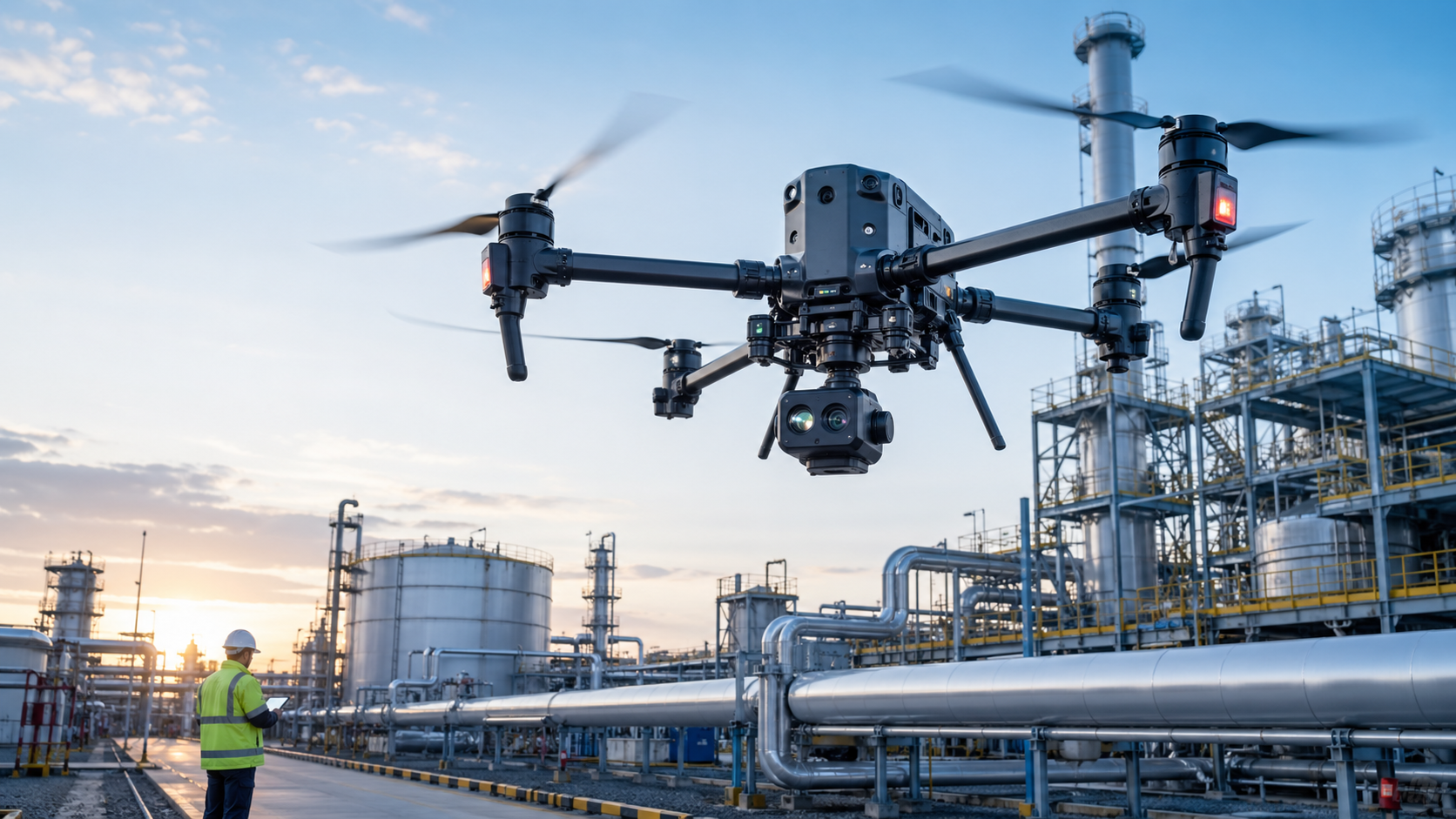
Stroni's industrial inspection solutions are built for teams that need reliable aerial data in real operational environments. Whether the goal is asset monitoring, safety inspection, or reducing downtime, the right UAV platform can make a significant difference in how effectively a business manages its sites and equipment.
The focus should always be on practical performance: clear imagery, stable flight, efficient deployment, and a workflow that supports real industrial work. When those pieces come together, UAV inspection becomes a valuable part of daily operations.
Final Thoughts
What businesses should look for in an industrial inspection UAV comes down to one thing: mission fit. The best drone is not necessarily the most advanced one on paper. It is the one that gives teams usable data, improves safety, and fits into the way they actually work.
As industrial operations continue to demand faster inspections and stronger asset oversight, UAVs are becoming less of an optional upgrade and more of a practical standard. For businesses that choose carefully, the right inspection drone can deliver lasting value in safety, efficiency, and decision quality.
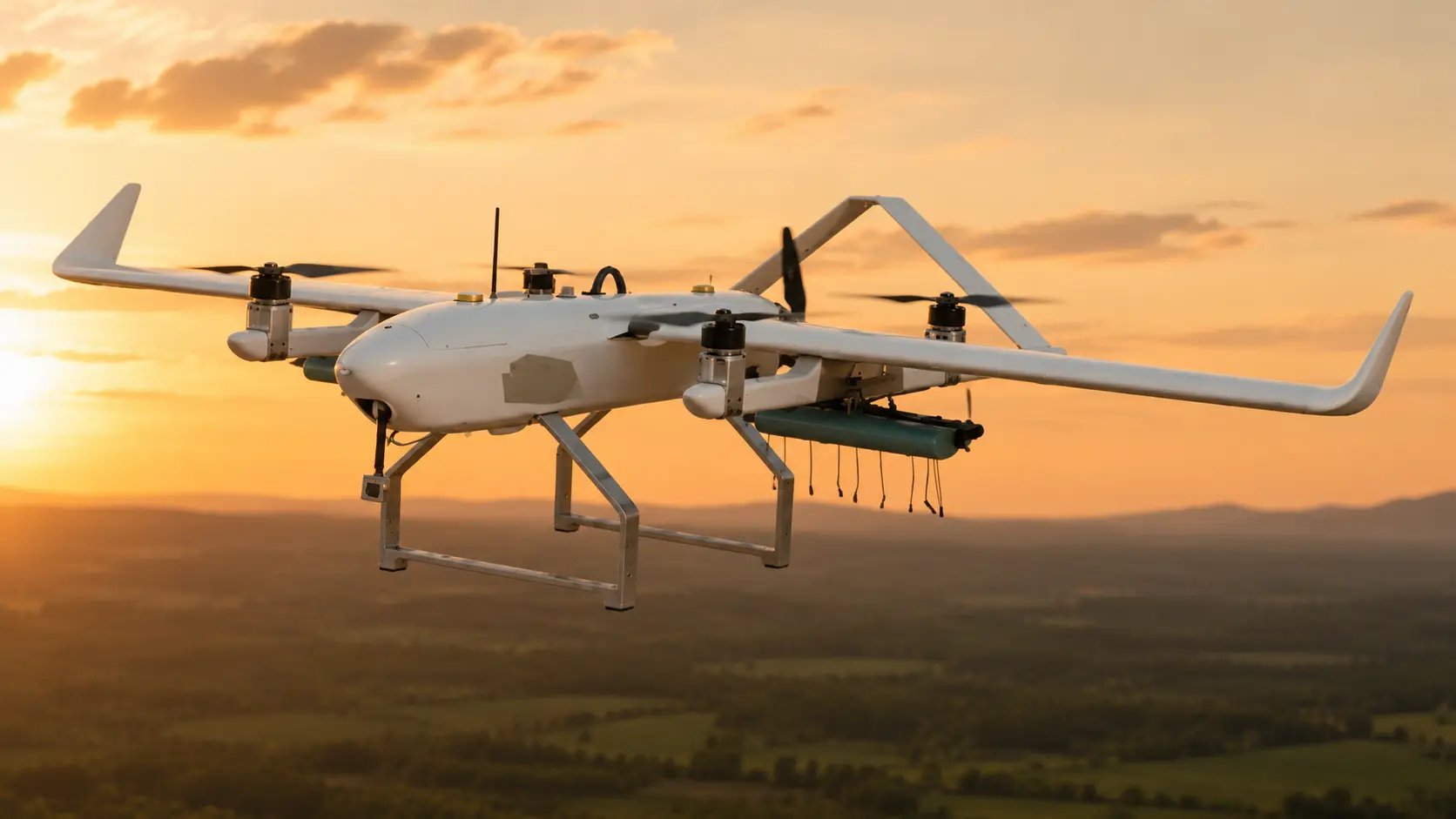
About the Author:Wei Chen is the Chief UAV Engineer at Stroni, focusing on the architectural design and flight control system optimization of industrial multi-rotor platforms. Learn more →
Related Case Studies
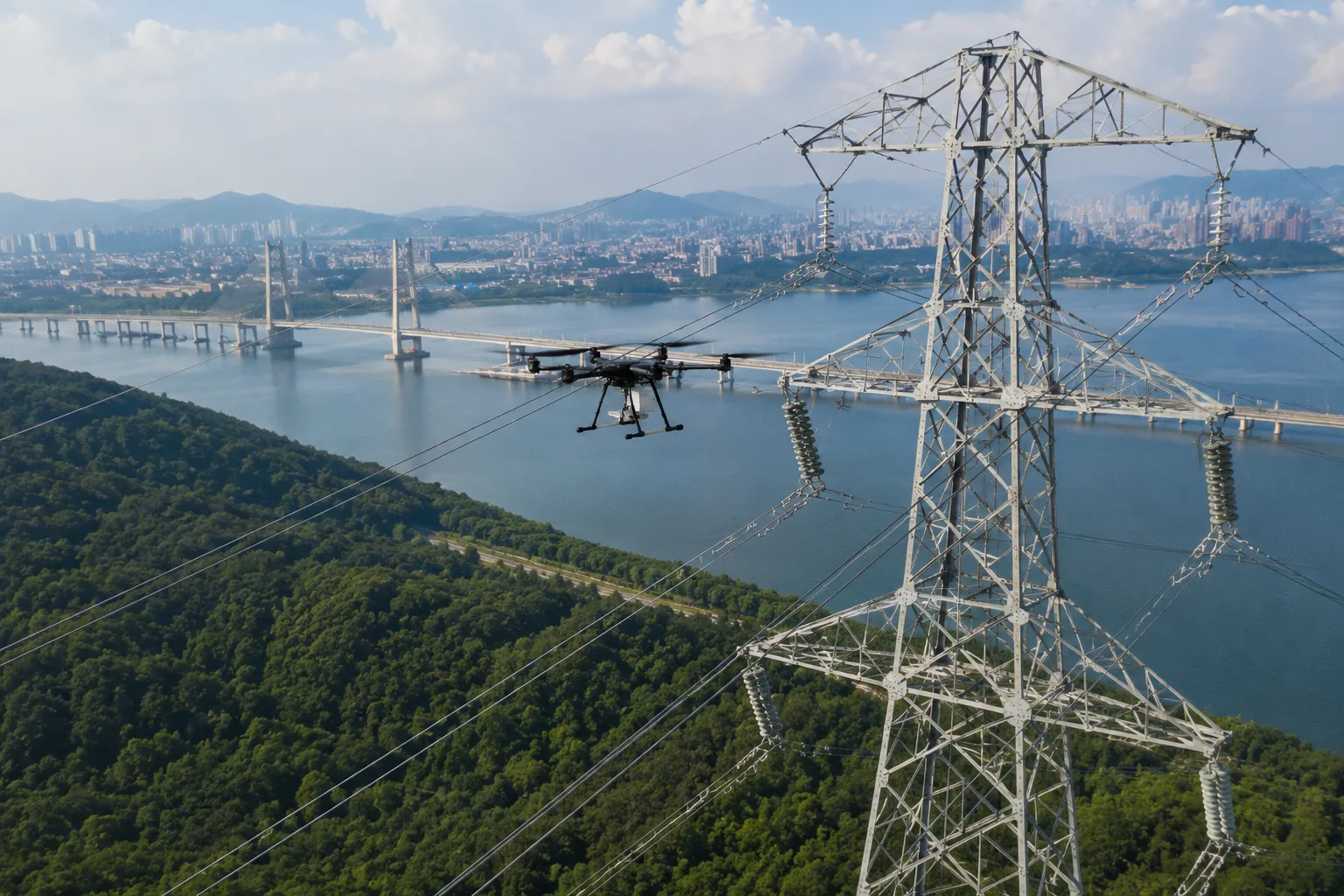
How a Regional Grid Operator Cut Inspection Costs by 67% and Caught Faults It Never Knew It Had
An 18-month utility deployment showing how a regional grid operator improved defect detection, reduced inspection cost, accelerated reporting, and shifted maintenance upstream across 3,200 km of high-voltage infrastructure.
Industrial Inspection
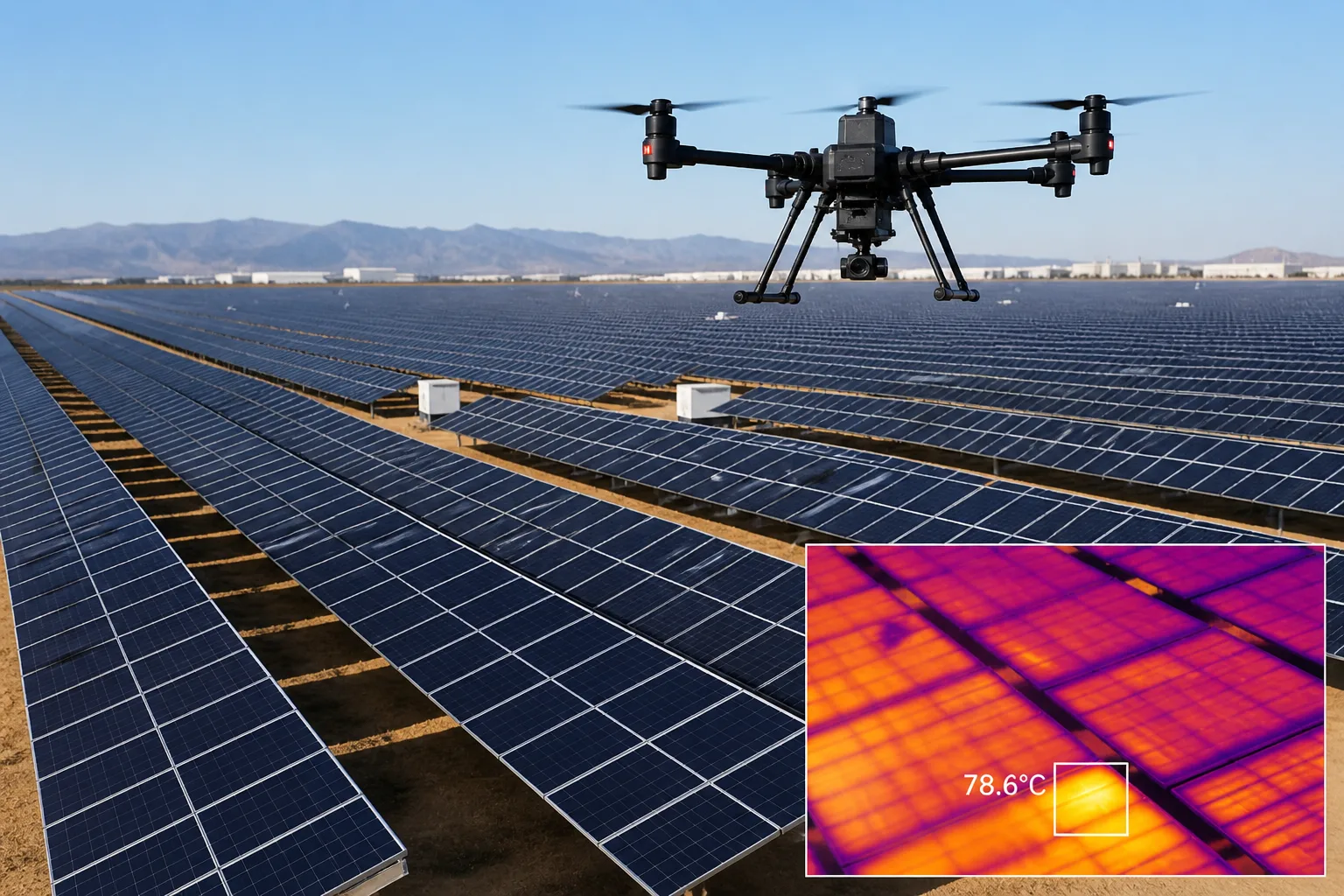
Solar Farm Thermal Inspection at Utility Scale
See how thermal drone inspection improved anomaly detection, maintenance prioritization, and O&M efficiency across a utility-scale solar farm.
Inspection
Frequently Asked Questions
What is the first thing businesses should evaluate when choosing an industrial inspection UAV?
+
Mission fit comes first. Teams should define the asset type, inspection environment, imaging requirements, and deployment workflow before comparing hardware specifications.
Why are camera quality and thermal imaging important in industrial inspection?
+
Inspection data only creates value when it is usable. Clear visual imagery, zoom capability, and thermal sensing help teams identify defects, heat issues, and abnormal conditions without repeating inspections.
How does the right inspection UAV improve business operations?
+
The right platform can reduce risk exposure, shorten inspection cycles, support faster maintenance decisions, and fit more cleanly into repeatable industrial workflows.
Continue Exploring
Continue Exploring
Keep the momentum going with a few related reads selected to extend this topic into strategy, deployment, and practical field use.
Want more industry insights?
Explore drone applications, implementation playbooks, and operational best practices with our editorial team.