
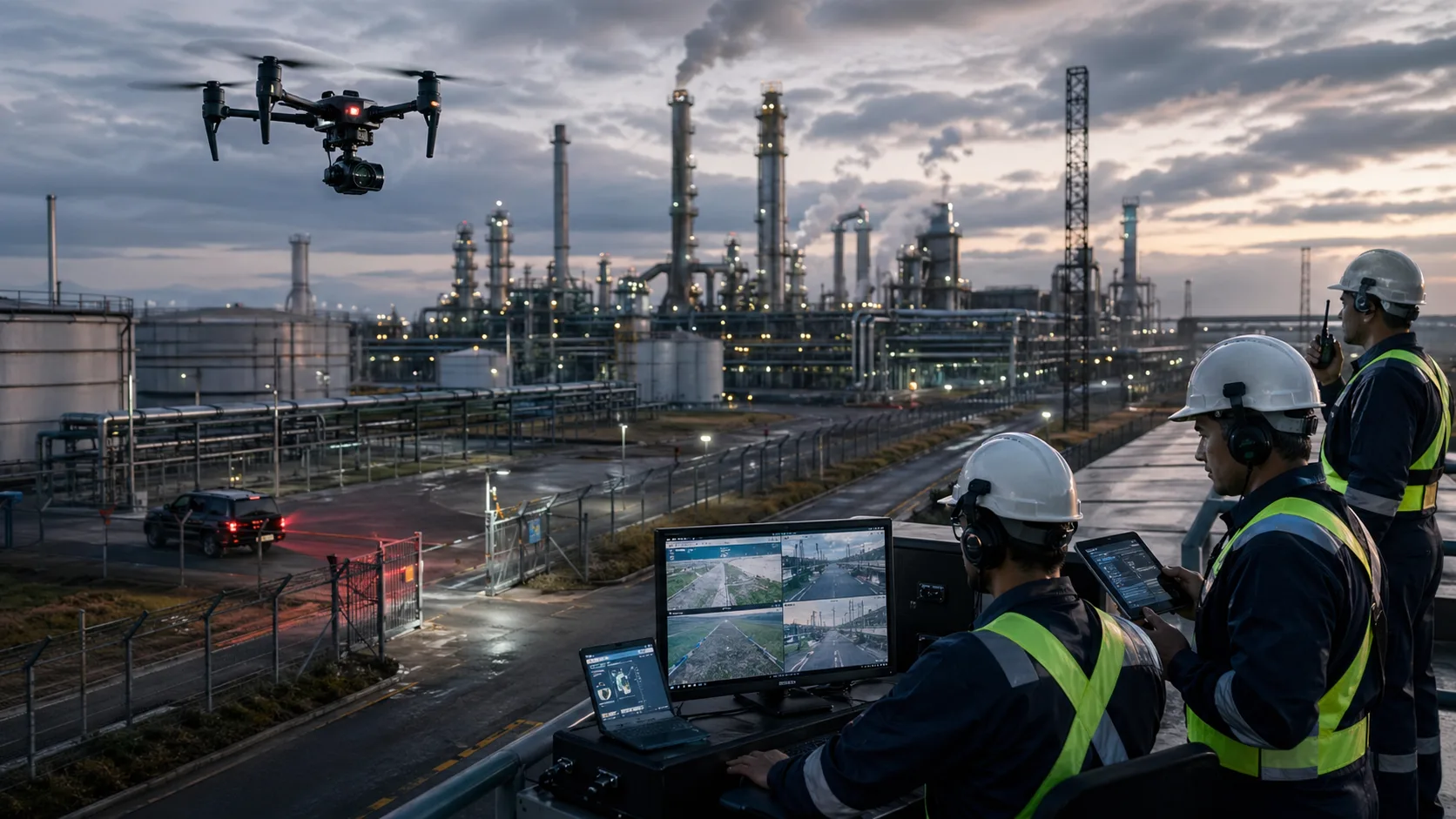
Security teams are adding drones to industrial monitoring workflows because they help cover more ground faster, improve visibility in hard-to-reach areas, and give teams a better real-time understanding of what is happening on site. In large industrial environments, that extra visibility can make a major difference in both security response and operational safety.
The shift is not just about using new technology. It is about solving a practical problem: traditional patrols, fixed cameras, and manual inspections often leave gaps, especially across large facilities, remote assets, and night operations. Drones help close those gaps by adding mobility, speed, and a live overhead perspective to the security workflow.
The limits of traditional monitoring
Industrial sites are often too large or too complex for fixed security systems alone. Cameras can cover important points, but they do not move. Guards can patrol, but they can only be in one place at a time. And when a facility includes perimeter fencing, open yard space, storage areas, loading zones, or remote infrastructure, it becomes difficult to maintain complete visibility all the time.
That is where the limitations become obvious. If something unusual happens in a blind spot, the security team may not know until later. If an alarm goes off, someone still has to verify whether it is a real threat. And if a site is spread across a wide area, ground patrols can take time to reach the location.
Drones help address these problems by giving security teams a flexible way to observe the site from above and move quickly to areas that need attention.
Why drones are useful in industrial security
The main reason security teams add drones is simple: drones make monitoring more efficient. A security drone can patrol long perimeters, inspect remote corners of a site, and respond to incidents faster than a person on foot in many cases. That allows security teams to do more with the same resources.
Drones also improve visibility. A camera mounted on a drone can see over fences, around structures, and into areas that fixed systems may not cover well. That is especially useful in industrial environments where equipment, storage yards, buildings, and terrain can create visual obstruction.
In addition, drones can support faster decision-making. When something triggers an alert, security teams can launch a drone to verify the situation in real time instead of relying only on alarms or secondhand reports. That can reduce false alarms, improve response speed, and help teams decide whether an event is a real security concern.
Where industrial monitoring workflows benefit most
Drones are especially valuable in industrial security workflows that involve large or high-risk sites. These may include factories, logistics hubs, energy facilities, construction sites, ports, warehouses, and critical infrastructure locations.
Perimeter patrol
One of the most common uses is perimeter monitoring. Drones can check fences, gates, access roads, and other boundary areas more quickly than a ground team alone. This makes it easier to spot unauthorized movement, damage, or suspicious activity.
Night surveillance
Industrial facilities often need stronger coverage after dark. Drones with thermal imaging or low-light capabilities can help security teams monitor activity in conditions where visible cameras may be less effective. This is particularly important for night patrols, after-hours inspections, and suspicious activity alerts.
Incident verification
When an alarm is triggered, a drone can be sent to verify what is happening before guards are dispatched. That helps security teams confirm whether the alert is caused by a real intrusion, an equipment issue, weather, wildlife, or another non-threatening event.
Remote asset monitoring
Some industrial operations include assets that are hard to reach on a regular basis. Drones can help monitor those locations without requiring long patrol routes or exposing staff to unnecessary risk.
How drones improve security workflows
The real value of drones is not only in what they can see. It is in how they fit into the broader workflow.
A traditional workflow may depend on guards patrolling, alarms triggering, and cameras recording. A drone adds a more dynamic layer. Instead of waiting for someone to physically reach the problem area, the security team can send a drone first, get a live image of the scene, and then decide how to respond.
That changes the workflow in several ways:
- It reduces response time.
- It improves incident verification.
- It helps teams prioritize the right locations.
- It lowers the chance of sending personnel into uncertain situations.
- It gives supervisors better situational awareness during active events.
For industrial security teams, this means fewer blind decisions and more informed action.
What to look for in a security UAV
Not every drone is suitable for industrial monitoring. Security teams need a platform that can operate reliably in real conditions, not just one that looks good on paper.
Important features include:
- Stable flight performance.
- Reliable live video transmission.
- Thermal imaging or low-light capability.
- Long enough flight time for patrol tasks.
- Fast launch and easy deployment.
- Strong durability for outdoor use.
- A workflow that fits into existing security operations.
It is also important that the drone is easy for the team to use consistently. If a platform is too complicated, it may not be practical for daily monitoring. The best security drone is the one that can be deployed quickly, interpreted easily, and used repeatedly without creating extra burden for the team.
Why this matters for industrial safety too
Industrial monitoring is not only about security threats. It is also about keeping people safe and protecting operations. A drone can help identify hazards before workers or guards move into an area. It can also help teams assess conditions after an incident, such as smoke, damaged equipment, or restricted access points.
This makes drones useful beyond traditional security work. They support a broader understanding of what is happening on site, which can benefit operations, safety, and incident response at the same time.
In a modern industrial environment, those functions are increasingly connected. A tool that improves monitoring often improves safety as well.
The business case for drones in security operations
Security teams are often expected to do more with limited time and resources. Drones help make that possible by improving coverage without requiring a proportional increase in manpower.
The business case is strong because drones can:
- reduce patrol inefficiency,
- improve alarm verification,
- support faster incident response,
- strengthen perimeter awareness,
- and help security teams manage larger sites more effectively.
For organizations with large industrial footprints, the return is often measured in better coverage, lower response times, and fewer missed events. Over time, that can mean a more responsive and more efficient security operation.
How Stroni supports industrial security teams
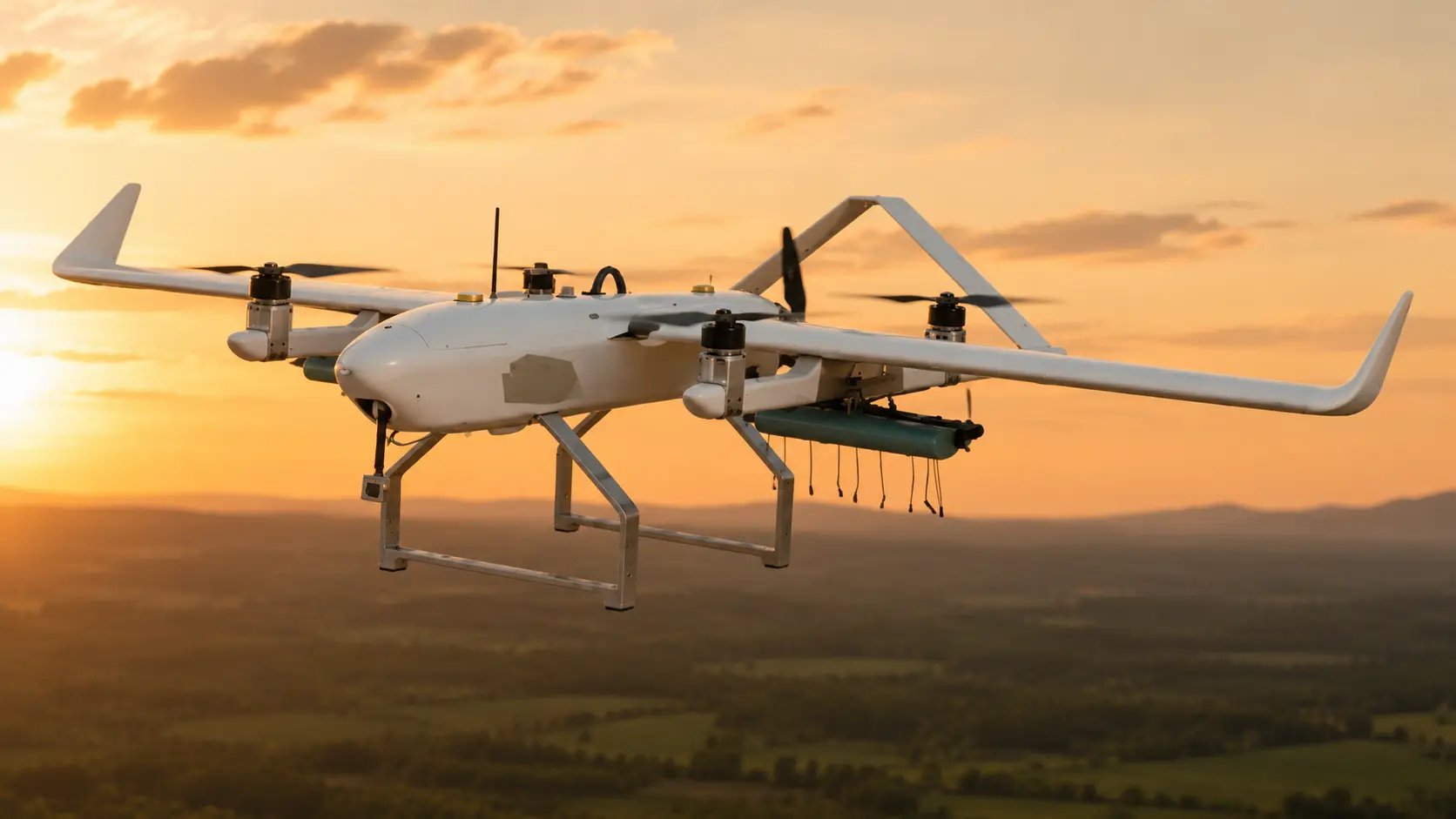
Stroni’s industrial security UAVs are designed for monitoring workflows where visibility, reliability, and responsiveness matter. For teams responsible for large facilities or high-value assets, the right drone platform can add a practical aerial layer to existing patrol and surveillance systems.
The goal is not to replace security teams. It is to help them work smarter by giving them better information sooner. When drones are built into the monitoring workflow in a practical way, they become a valuable extension of the security operation.
Final thoughts
Security teams are adding drones to industrial monitoring workflows because they solve real operational problems. They extend visibility, speed up verification, and help teams respond more effectively in large or complex environments.
For industrial sites that need stronger coverage and faster awareness, drones are no longer just an optional add-on. They are becoming a practical part of modern security operations.
Frequently Asked Questions
What is this article about?
+
Explore why security teams are adding drones to industrial monitoring workflows to improve perimeter coverage, incident verification, and response efficiency.
Who is this for?
+
It is written for teams planning, operating, or scaling enterprise drone workflows.
Where can I find related examples?
+
Use the related case studies and solutions on this page to review similar field applications.
Continue Exploring
Continue Exploring
Keep the momentum going with a few related reads selected to extend this topic into strategy, deployment, and practical field use.
Featured Read
Why UAV Inspection Is Becoming Standard in Industrial Operations
Industrial Inspection · Mar 29, 2026
Recommended
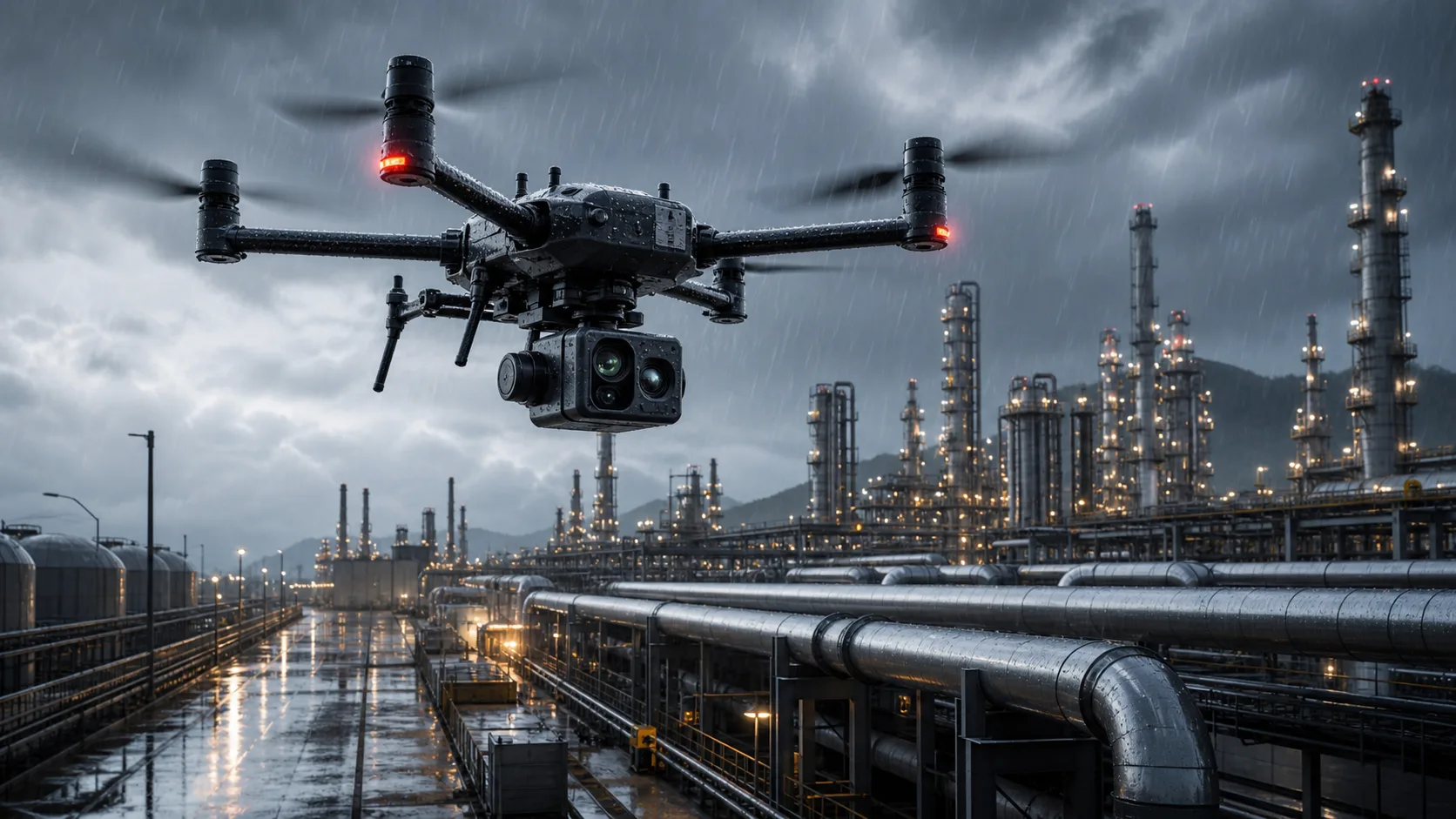
What to Look for in an Industrial Inspection UAV
Industrial Inspection · Mar 21, 2026
Recommended
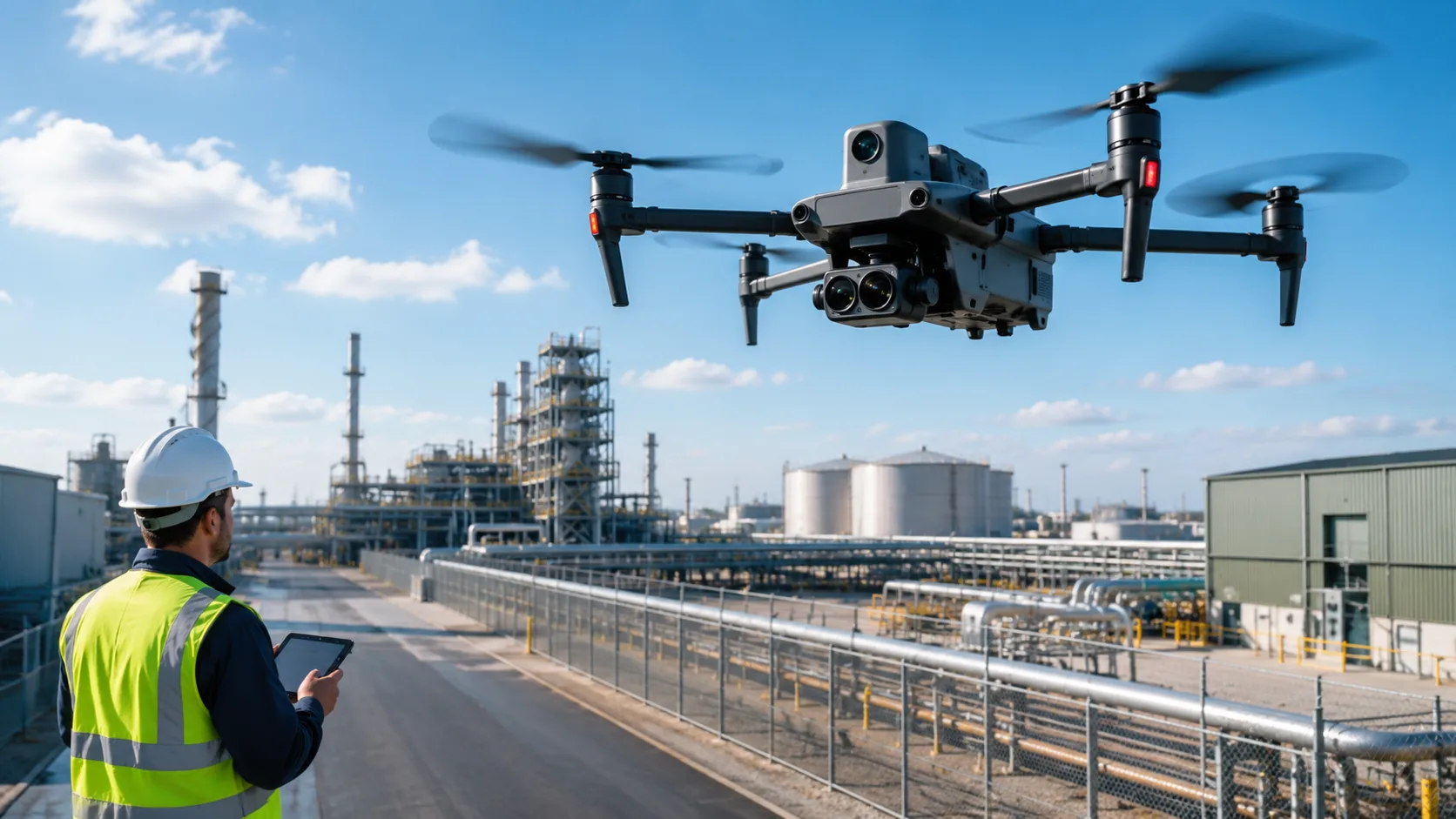
How Drones Fit Into Industrial Monitoring Workflows
Industrial Inspection · Apr 5, 2026
Recommended
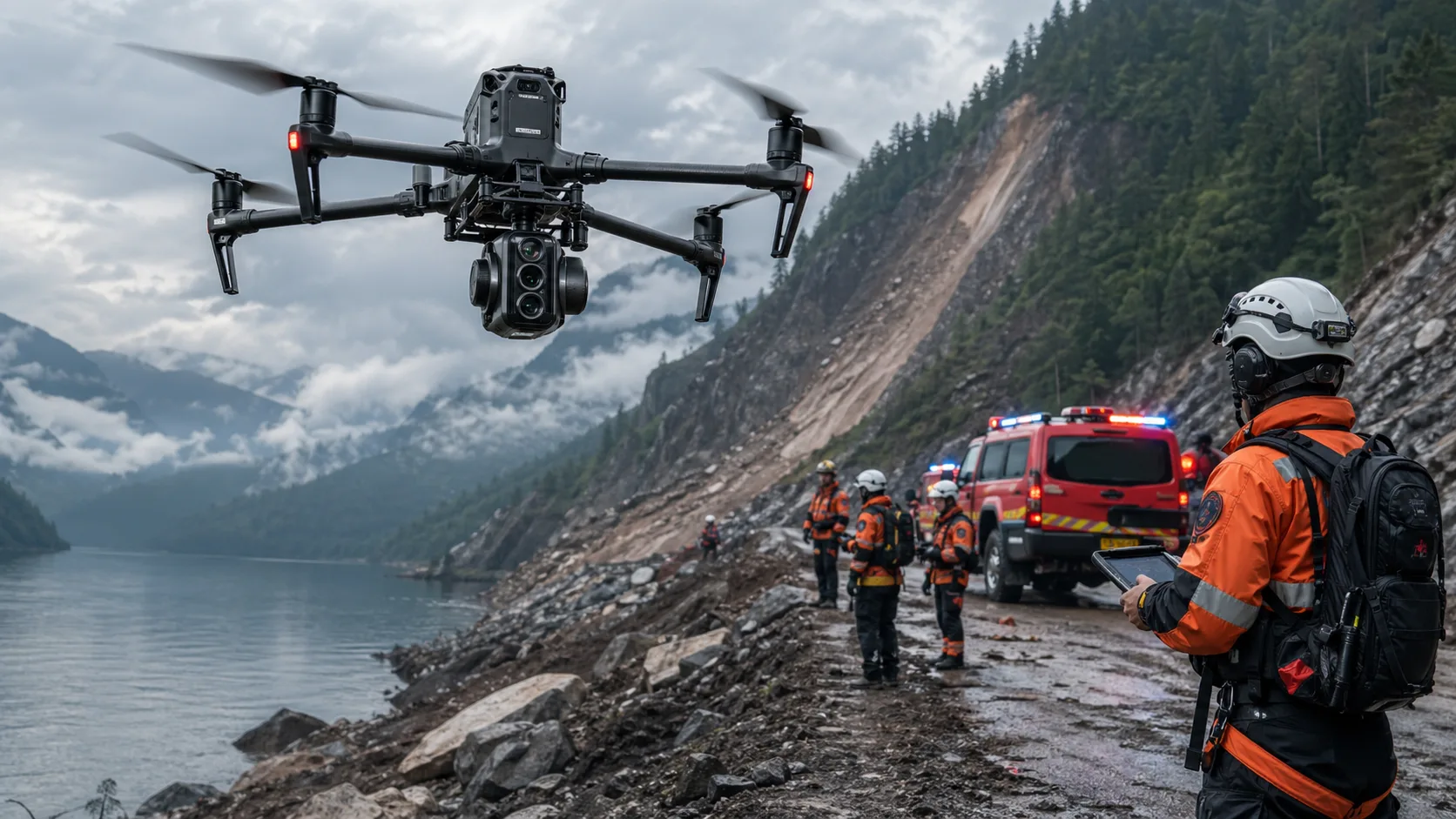
Thermal Imaging Drones for Public Safety: How They Support Search and Rescue
Public Safety · Apr 18, 2026
Recommended
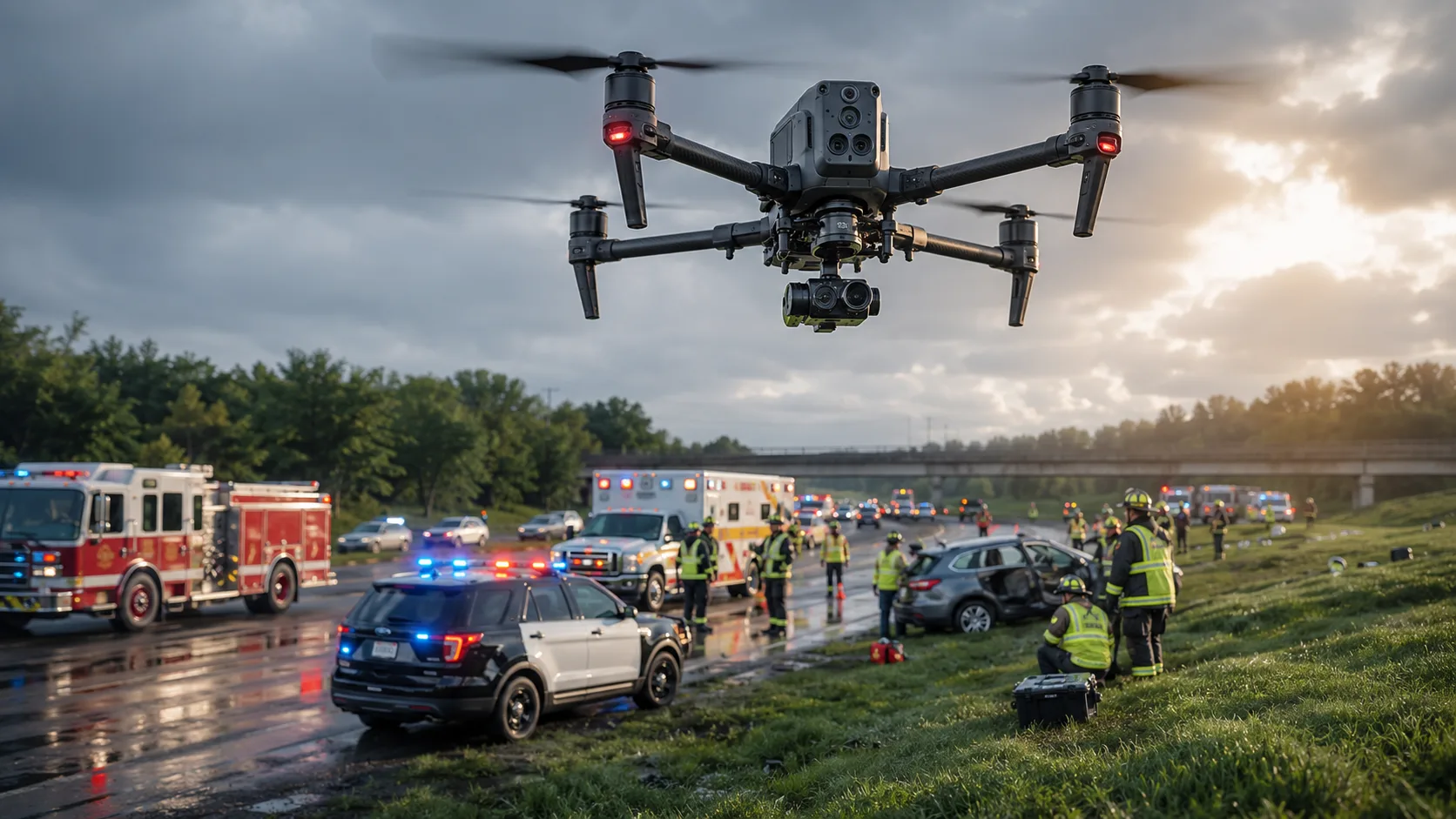
Drone as First Responder: Turning the First Minutes of an Emergency Into Actionable Intelligence
Public Safety · Apr 24, 2026
Want more industry insights?
Explore drone applications, implementation playbooks, and operational best practices with our editorial team.