
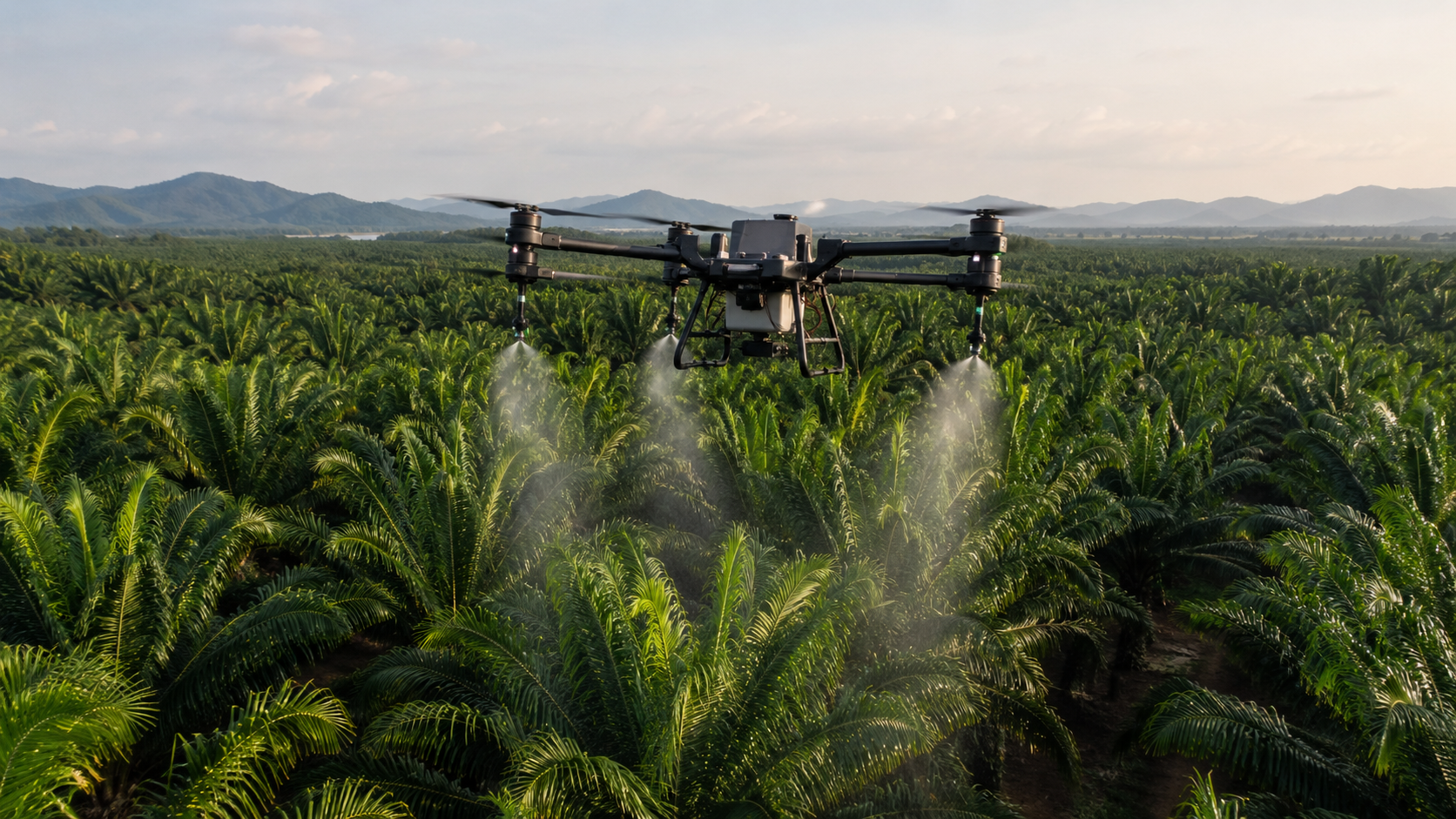
How Much Does an Agricultural Spraying Drone Cost in 2026? Complete Price Guide
Agricultural spraying drone prices in 2026 range from $3,000 to $25,000+. Compare costs by tank capacity, brand, and specs — and see how a custom Stroni platform compares.
July 3, 2026
If you are researching how much an agricultural spraying drone costs in 2026, you have probably noticed the range is wide — from under $3,000 for a compact sprayer to over $25,000 for a flagship platform. This guide breaks down what you actually pay at each capacity tier, what drives the price differences, and how to match a spraying drone to your budget and farm operation.
Whether you run a rice paddy in Vietnam, an oil palm estate in Indonesia, or a wheat farm in Russia, this article gives you the pricing clarity you need before requesting a quote — and shows where a purpose-built Stroni platform fits versus off-the-shelf models.
Agricultural Spraying Drone Price Ranges in 2026
Entry-Level Spraying Drones (10L–20L): $3,000–$6,000
What you get:
10–20L spray tank
4–8 centrifugal nozzles
4–8 m spray width
Basic GPS waypoint navigation
1–2 batteries included
Typical buyers: Smallholder farmers, orchard operators, and cooperatives testing drone adoption.
Where Stroni fits: This tier is where most buyers start, but many outgrow it within a season. If you expect to scale beyond a few dozen hectares, it is often more cost-effective to talk to Stroni about a mid-range platform first rather than replacing an entry unit later.
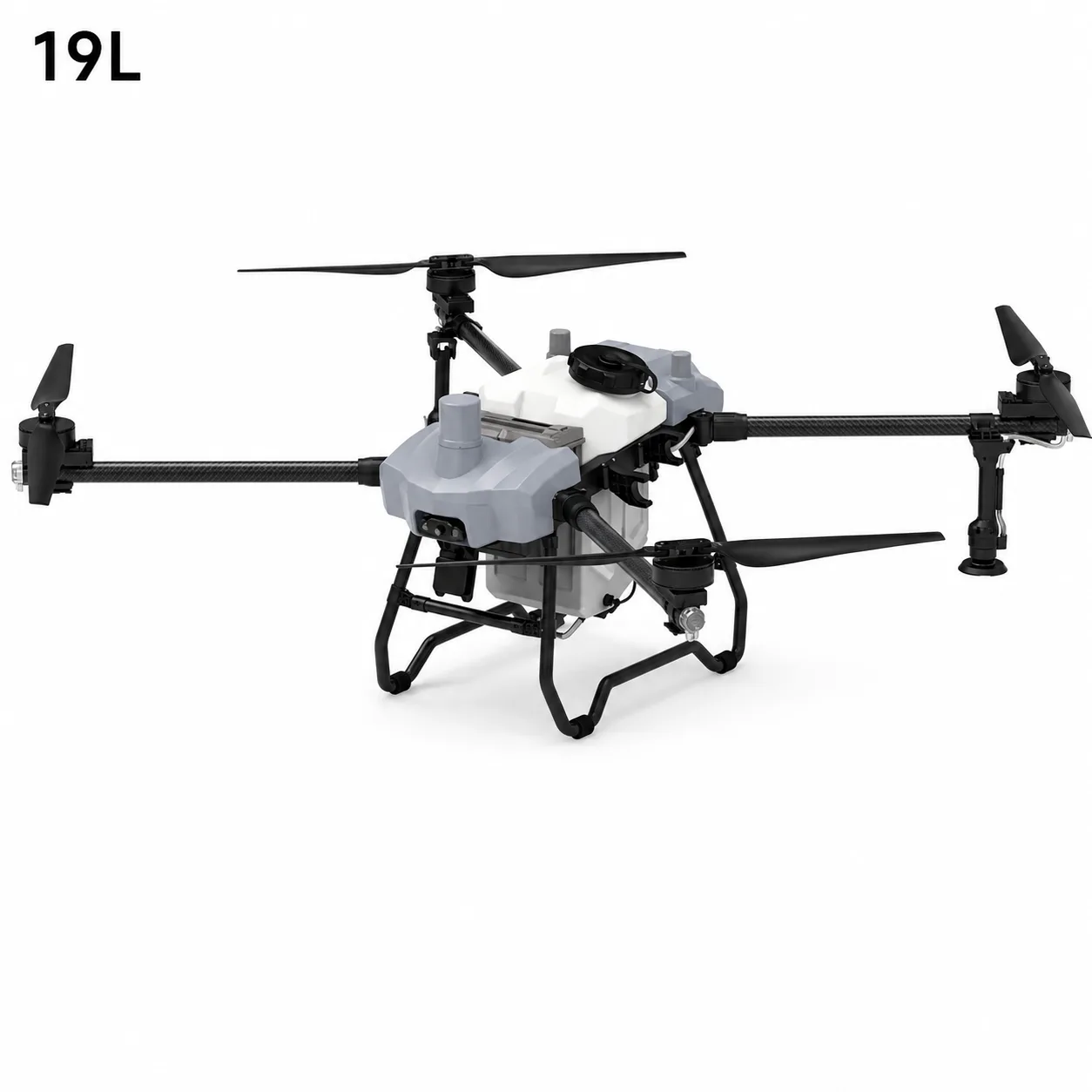
Mid-Range Spraying Drones (30L–50L): $8,000–$15,000
What you get:
30–50L spray tank
8–12 centrifugal nozzles
6–10 m spray width
RTK positioning
Front and rear obstacle-avoidance radar
2–3 batteries and charger
Typical buyers: Commercial rice farms, medium-size plantations, and agricultural service providers.
Where Stroni fits: This is the sweet spot for most commercial operations, and it is the tier where Stroni's configurable platforms compete most directly — comparable capacity and precision to leading brands, typically 30–50% below premium pricing, with the option to tailor the payload to your crop and terrain. Learn more from our Agricultural Drone Page.
Flagship Spraying Drones (50L–100L+): $15,000–$25,000+
What you get:
50–100L+ spray tank
Dual centrifugal nozzle systems
10–25 m spray width
25–35 L/min flow rate
Full radar suite
RTK-GPS precision
Foldable airframe
Multiple batteries + generator charger
Typical buyers: Large plantations, estate managers, and government agricultural programs.
Where Stroni fits: At this scale, fleet reliability and payload flexibility matter more than sticker price. Stroni's enterprise platforms are built for integrated, customizable payloads and multi-role operation across agriculture, inspection, and logistics — so a single fleet can do more than spray.
What Drives Agricultural Drone Pricing?
Tank capacity and payload — the single biggest price factor
Spray system technology — centrifugal vs. pressure nozzles
Radar and safety systems — terrain-following vs. omnidirectional
Battery and charging infrastructure — roughly 500–\1,500 per battery
RTK positioning — around $1,000–$3,000 for a base station
Brand premium — major brands command a premium; comparable Stroni alternatives often run 30–50% lower for similar specs
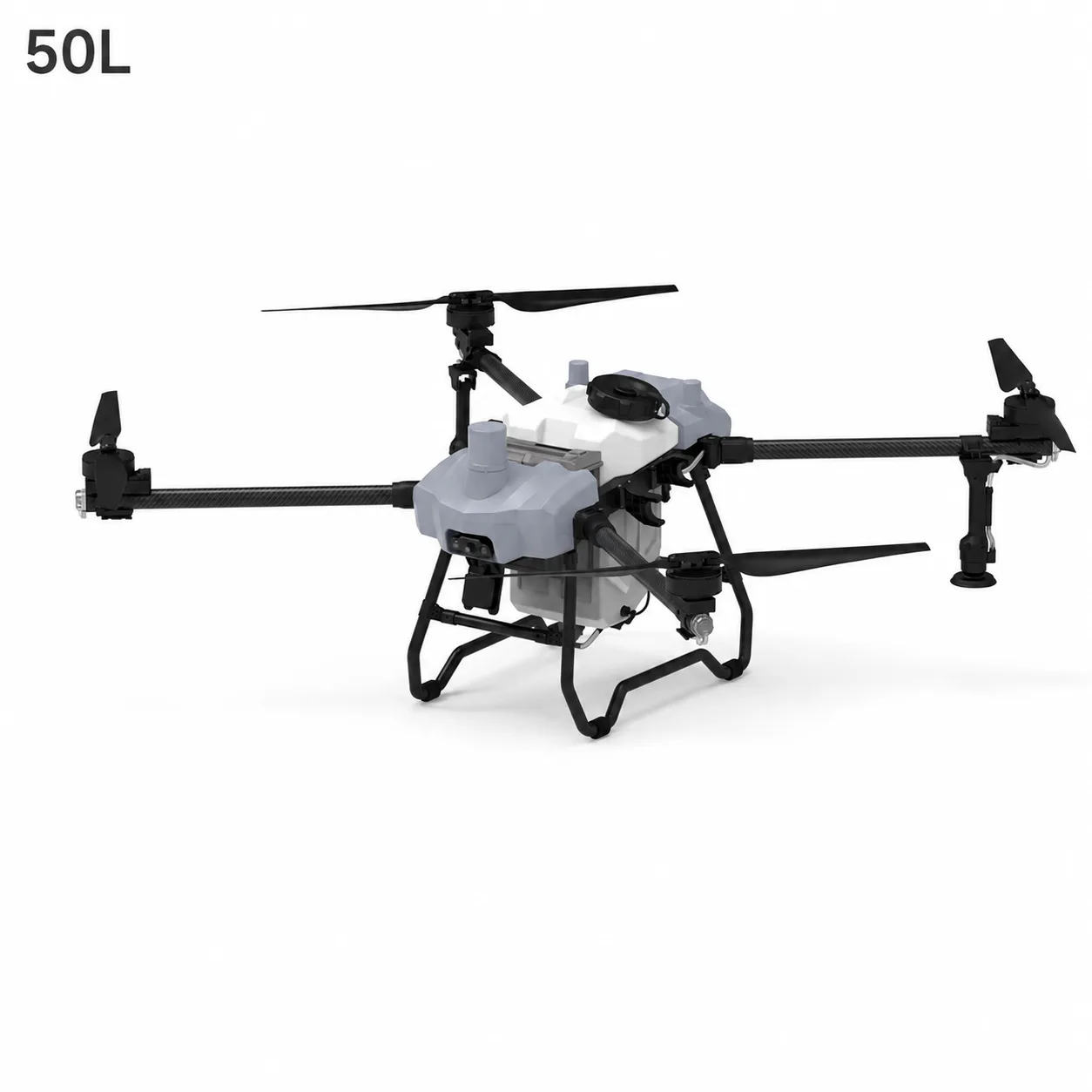
How the DJI Agras T50 Compares (2026 Market Reference)
The DJI Agras T50 is a useful benchmark for the 50L class. Indicative 2026 street prices vary widely by market and combo package — generally in the $9,300–$18,000 range across Southeast Asia and China. Because local pricing, currency, and bundle contents change frequently, treat these as a reference point rather than a fixed quote.
Against that benchmark, a configured Stroni platform targets comparable spraying performance while giving you room to customize nozzles, radar, and battery setup to your operation — often at a lower total cost.
Total Cost of Ownership
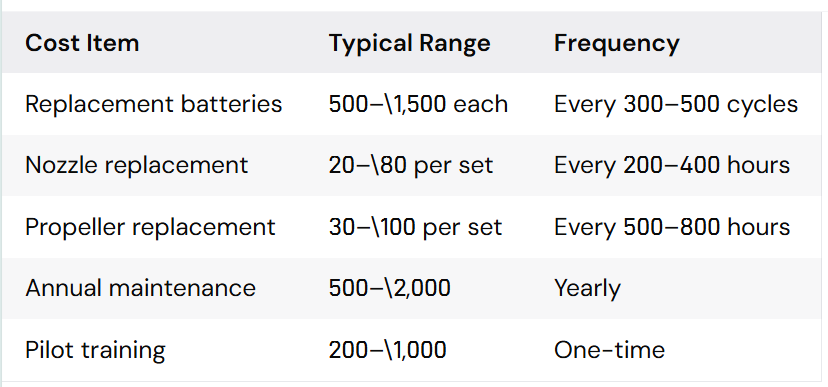
Sticker price is only part of the picture. Ongoing costs depend heavily on crop, terrain, utilization, and local labor rates, so treat the figures below as typical ranges rather than guarantees.
Ready to Get an Accurate Quote?
Every operation is different — crop, field size, terrain, and chemical program all affect which spraying drone makes sense. Contact Stroni about your farm and we'll recommend the right configuration and give you a precise 2026 price.
About the Author:Wei Chen is the Chief UAV Engineer at Stroni, focusing on the architectural design and flight control system optimization of industrial multi-rotor platforms. Learn more →
Frequently Asked Questions
How much does a good agricultural spraying drone cost in 2026?
+
Expect $8,000–$15,000 for a capable 50L-class platform. Entry-level units start around $3,000, and flagship 100L systems reach $15,000–$25,000+.
Is it worth buying an agricultural spraying drone?
+
For many farms above ~20 hectares it can pay off within one to two seasons, though the exact payback depends on crop value, labor costs, and how heavily the drone is used.
How much does the DJI Agras T50 cost?
+
Roughly $9,300–$18,000 in 2026 depending on market and combo package. Comparable-spec Stroni alternatives are often available for less.
Do agricultural drones save money on chemicals?
+
Typically yes. Ultra-low-volume (ULV) application can sharply reduce water use and cut chemical consumption by an estimated 15–30%, depending on crop and calibration.
Continue Exploring
Continue Exploring
Keep the momentum going with a few related reads selected to extend this topic into strategy, deployment, and practical field use.
Featured Read
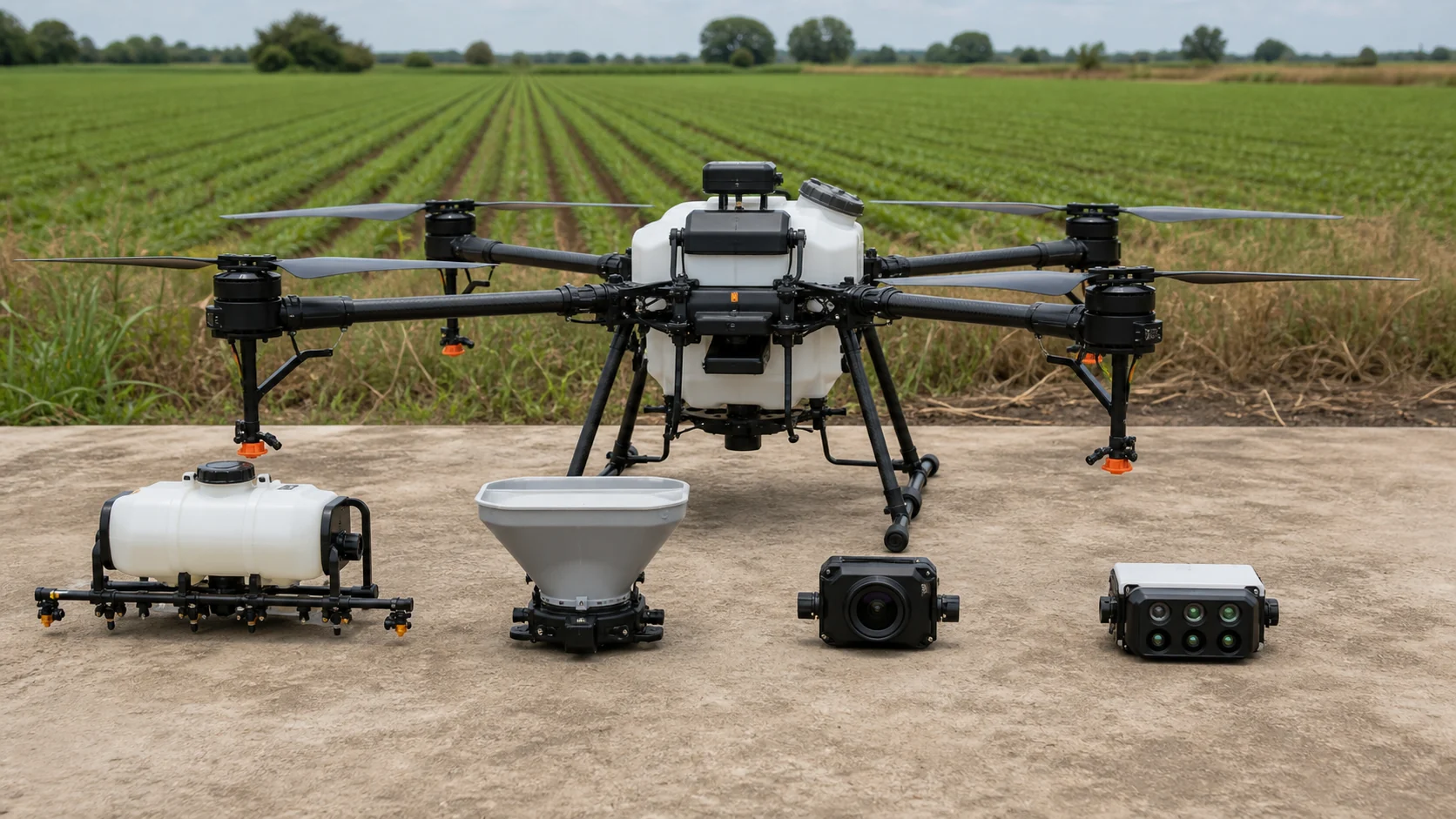
Agriculture Drone Payloads Explained: Spraying, Spreading, Mapping and Multispectral Imaging
Agriculture Drones · Jul 31, 2026
Recommended
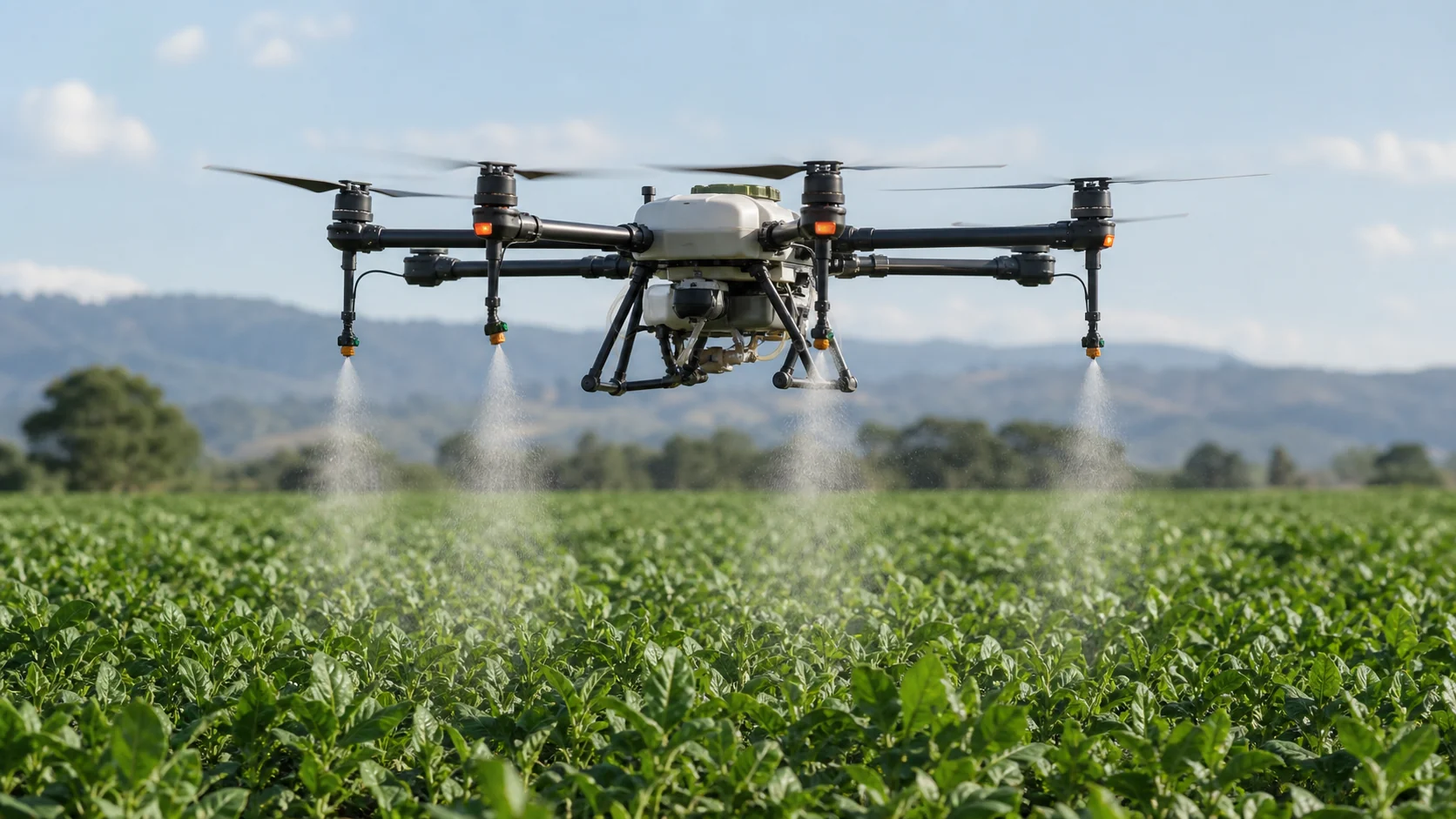
How Agricultural Spraying Drones Work: From Route Planning to Droplet Deposition
Agriculture Drones · Jul 31, 2026
Recommended
Agriculture Drones in China: Technology, Applications and Operating Principles
Agriculture Drones · Jul 31, 2026
Recommended
Agriculture Drone Cost per Hectare: Battery, Labor and ROI Calculator
Agriculture Drones · Jul 29, 2026
Recommended
How Many Hectares Can a 50L Agriculture Drone Spray Per Hour?
Agriculture Drones · Jul 29, 2026

Want more industry insights?
Explore drone applications, implementation playbooks, and operational best practices with our editorial team.