
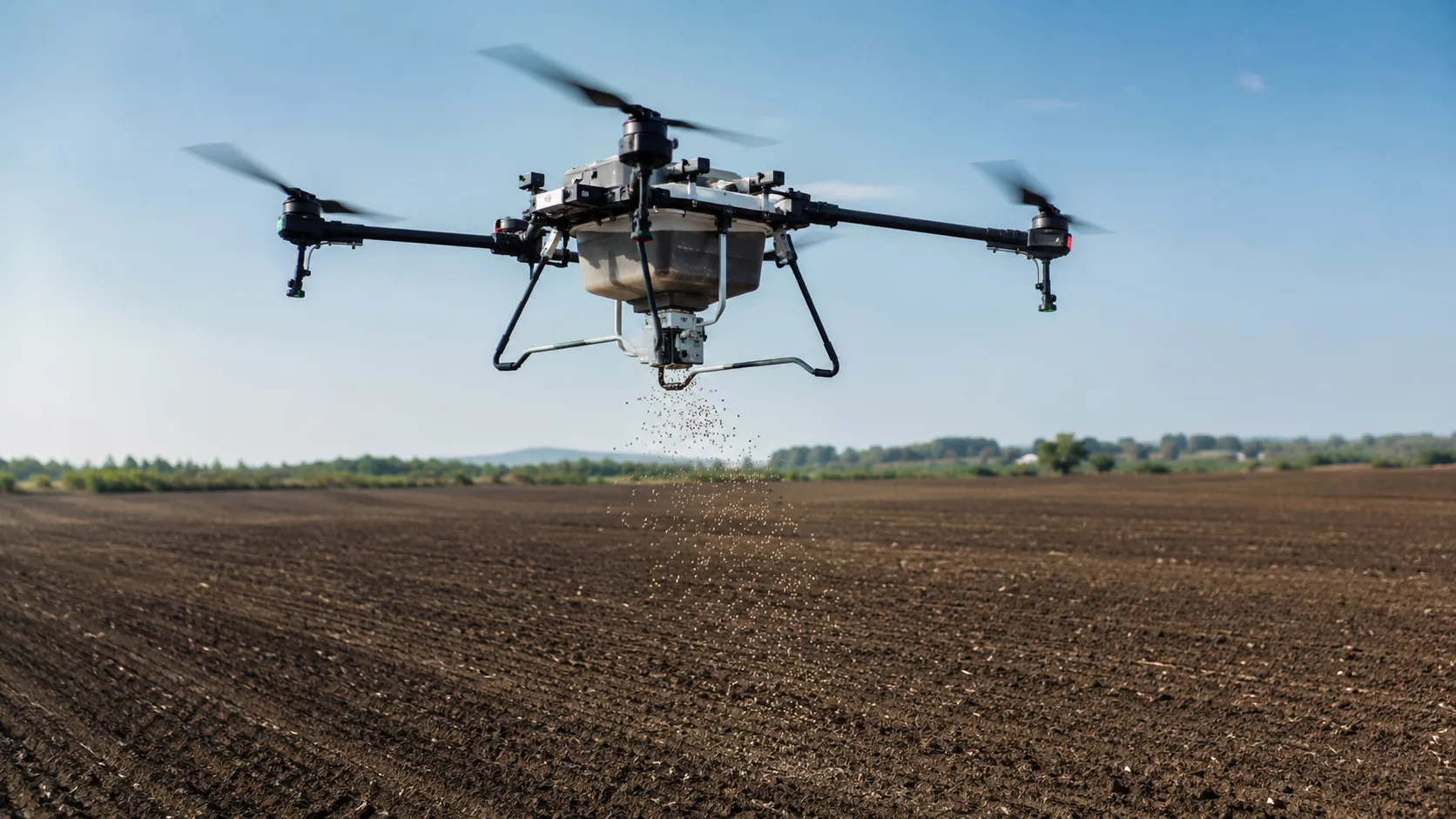
Precision agriculture is a data-driven approach to farming that helps growers make better decisions about crops, soil, water, and input use. Instead of treating every acre the same way, teams can manage each zone based on real conditions. The result is a more targeted farming model that supports efficiency, consistency, and long-term productivity.
What Precision Agriculture Means
At its core, precision agriculture is about using the right data at the right time. That data may come from satellites, field sensors, machinery telemetry, software platforms, or UAV missions. The goal is to understand field conditions with more detail than traditional visual scouting.
In practice, this helps growers identify where crops are under stress, where irrigation is underperforming, where nutrients may be insufficient, and where pest or disease pressure is emerging. Instead of reacting late, farm teams can act earlier and more selectively.
Why It Matters for Modern Farming
Modern agriculture faces a difficult balance: increase output while controlling cost, preserving soil health, and using water and chemicals more responsibly. Precision agriculture supports this balance by making farm management more targeted.
For large operations, the business value is clear. Scouting every acre manually is slow, and delays can expand crop loss. With precision agriculture solutions, teams can cover more ground quickly and focus interventions where they matter most.
Where Drones Fit In
UAVs have become one of the most practical precision-farming tools because they collect high-value field data quickly and consistently. A crop monitoring drone can scan large areas in a short time and reveal patterns that are difficult to see from ground level.
With agriculture UAV drones, farm teams can support crop monitoring, field mapping, and precision spraying workflows. Multispectral payloads help detect stress before visible symptoms appear. Thermal imaging highlights irrigation issues and temperature anomalies. High-resolution cameras improve scouting records and seasonal comparison.
Key Technologies Used in Precision Agriculture
Precision farming is not built on one tool alone. Strong outcomes usually come from combining several technologies into a repeatable workflow.
Multispectral Imaging
Multispectral sensors capture data across multiple light bands, helping teams detect stress, vigor differences, and development changes that standard RGB cameras may miss.
Thermal Imaging
Thermal sensors measure temperature patterns, which is useful for identifying water stress, irrigation failures, and uneven field conditions.
GPS and Georeferencing
Accurate location data allows agronomy teams to compare field changes over time and connect aerial insights to specific management zones.
Data Processing Software
Raw imagery only becomes valuable when processed into decisions. Agronomy software converts aerial inputs into vegetation maps, health indices, and treatment zones.
Common Use Cases
Crop Monitoring
This is one of the highest-impact use cases. UAV monitoring helps teams identify stress zones and uneven growth faster than manual scouting alone.
Field Mapping
Aerial mapping improves spatial understanding of field shape, elevation, drainage, and management-zone boundaries.
Precision Spraying
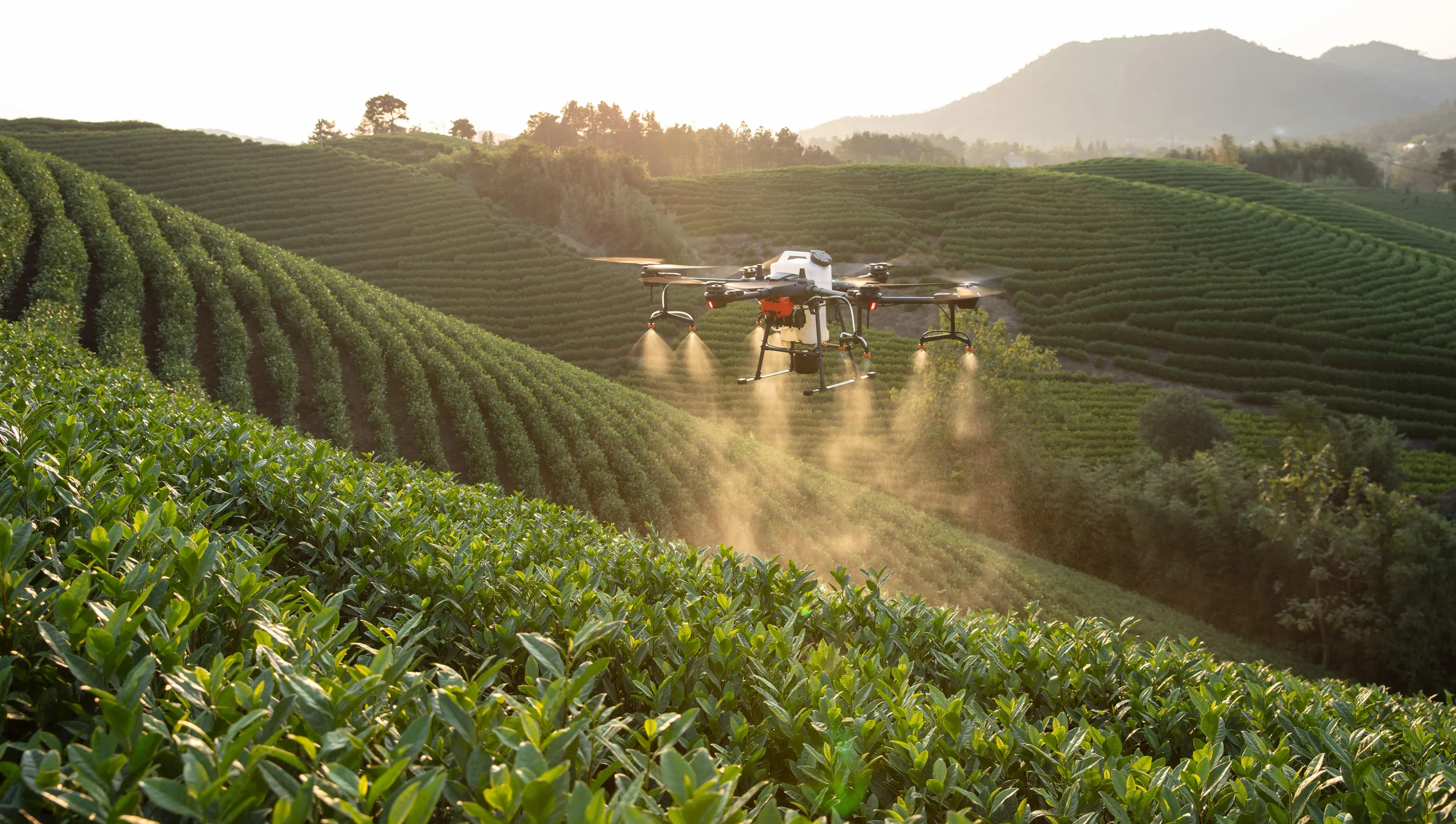
Instead of broad application across entire fields, precision spraying supports targeted treatment and more efficient input use.
Irrigation Analysis
Thermal and multispectral workflows help detect dry zones, irrigation faults, and uneven water distribution.
Yield Planning
By understanding field variability earlier, teams can make better planting, fertilization, and harvest decisions.
The Business Value of Precision Agriculture
Precision agriculture continues to grow because it improves predictability. Better data can reduce avoidable field visits, optimize resource allocation, and improve intervention timing.
For many operations, the biggest gain is decision confidence. When teams know which zones need attention first, labor and inputs can be prioritized with less waste. This is also why real-world outcomes from a multispectral crop stress detection case are increasingly used to evaluate deployment strategy.
What to Look for in a Precision Agriculture Solution
If you are evaluating options, prioritize operational capability over isolated hardware specs:
- Reliable crop-monitoring performance
- Support for multispectral and thermal payloads
- Accurate georeferenced aerial data
- Stable repeat-flight performance
- Easy workflow integration for field teams
- Clear outputs for action, not just image capture
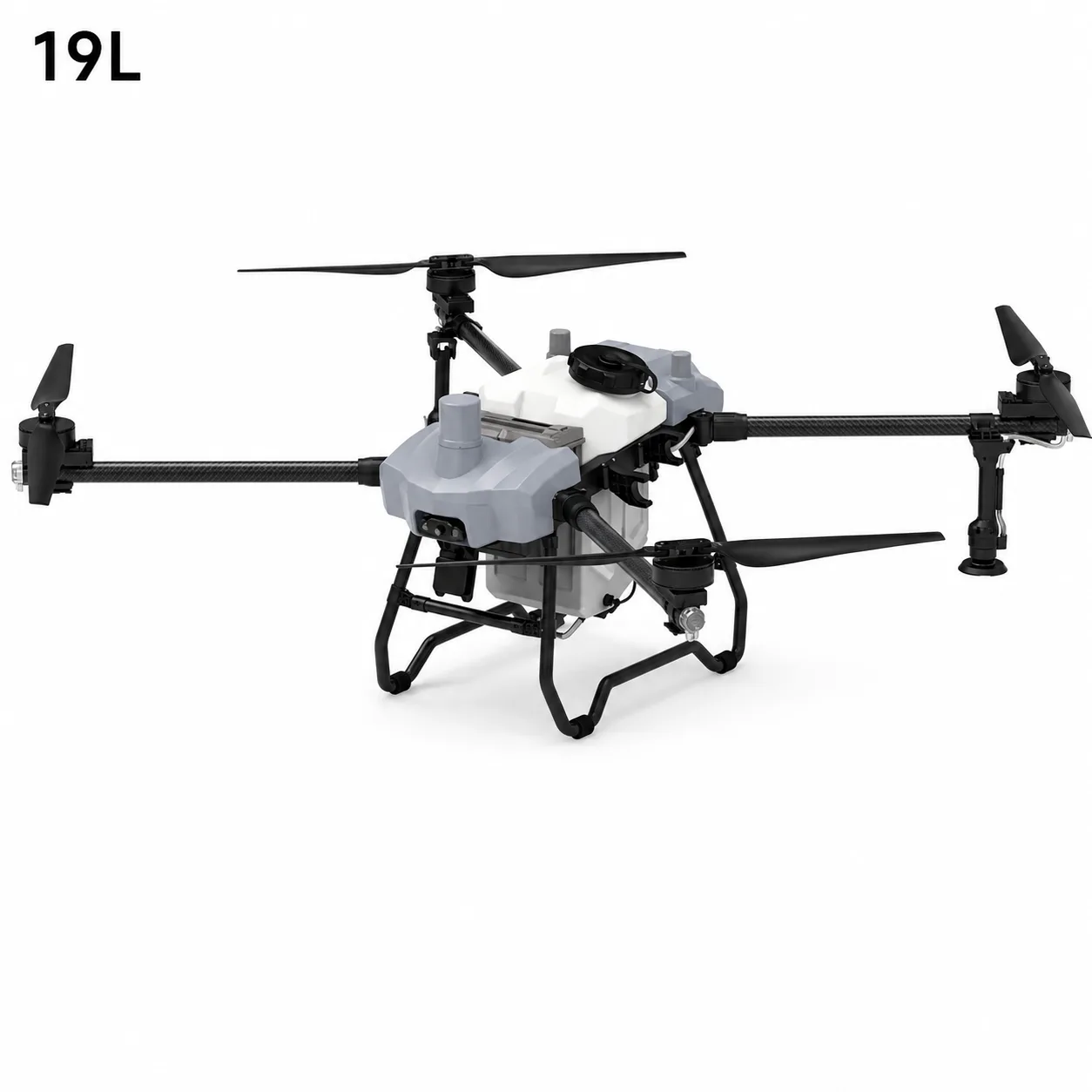
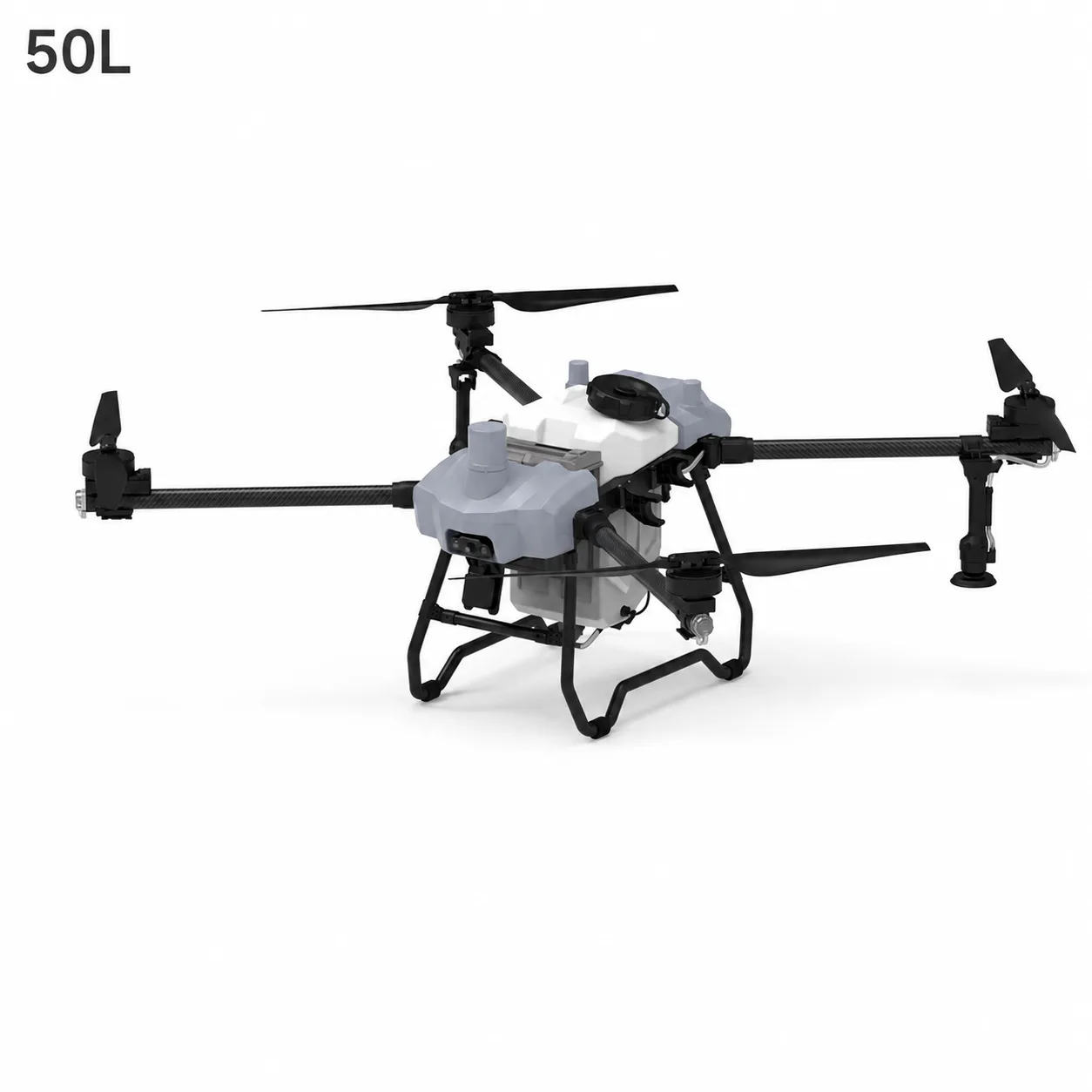
For larger farms, proven performance in large-farm spraying operations is often a practical benchmark for scalability.
How Stroni Supports Precision Workflows
Stroni solutions are built for growers, agronomists, and agricultural service providers who need better visibility into field conditions. Our UAV workflows support crop monitoring, mapping, and precision spraying with scalable coverage and modular payload options.
The objective is not simply to collect more images. It is to build a more responsive and data-driven farm operation.
Final Thoughts
Precision agriculture is reshaping how modern farming decisions are made. By combining UAV data capture, multispectral imaging, thermal analysis, and georeferenced mapping, teams can respond earlier and manage fields with greater precision.
For competitive farms, this is not just a technology upgrade. It is an operational advantage.

Frequently Asked Questions
How quickly can precision agriculture show ROI on large farms?
+
ROI depends on farm size, crop type, and workflow maturity, but many teams first see measurable value through reduced scouting time, better intervention timing, and lower avoidable input use within one to two seasons.
Do I need both multispectral and thermal payloads?
+
Not always. Multispectral is often the first step for crop-vigor and stress analysis. Thermal becomes especially valuable when irrigation performance, water stress, or temperature anomalies are a priority.
How often should UAV missions run during the season?
+
Mission frequency should follow crop stage and risk periods. Many operations fly weekly during stable periods and increase cadence when weather volatility, pest pressure, or irrigation issues rise.
What should I evaluate before selecting a precision agriculture platform?
+
Focus on data quality, georeferencing accuracy, repeat-flight stability, payload flexibility, processing workflow speed, and how easily outputs connect to your farm decision process.
Continue Exploring
Continue Exploring
Keep the momentum going with a few related reads selected to extend this topic into strategy, deployment, and practical field use.
Featured Read
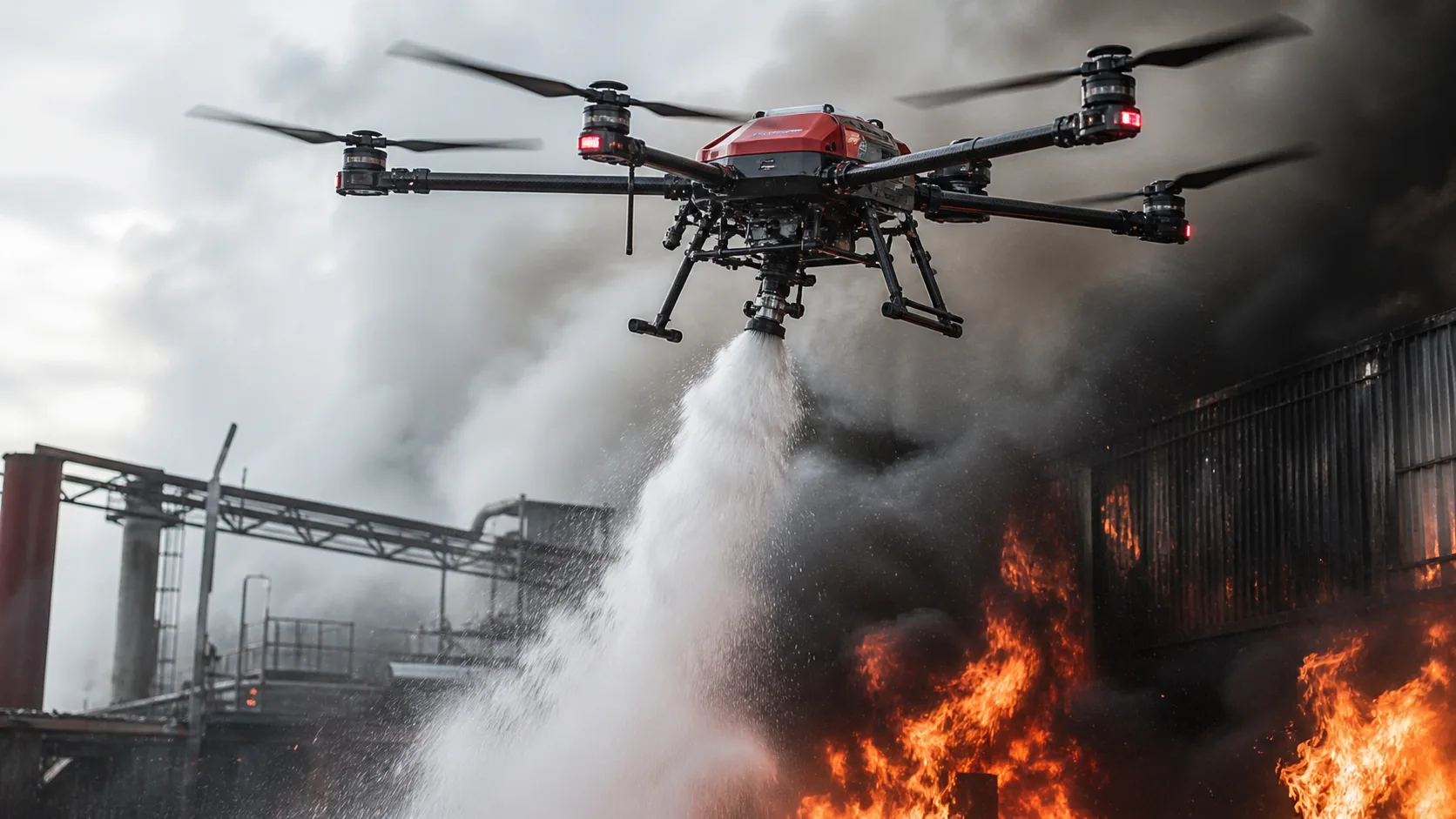
How Firefighting Drones Improve Situational Awareness in Active Fires
Public Safety · Mar 13, 2026
Recommended
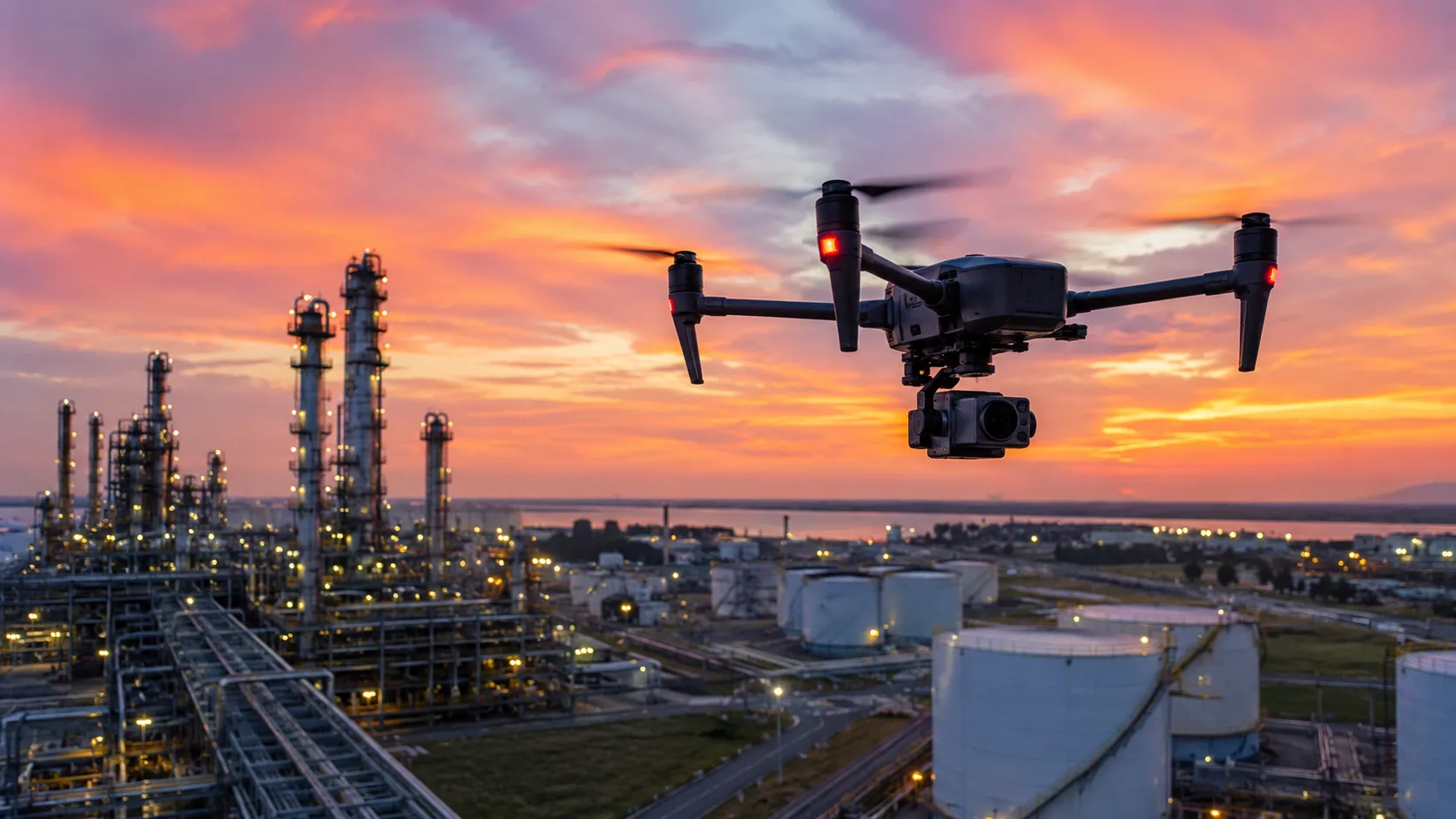
Why UAV Inspection Is Becoming Standard in Industrial Operations
Industrial Inspection · Mar 29, 2026
Recommended
What to Look for in an Industrial Inspection UAV
Industrial Inspection · Mar 21, 2026
Recommended
How Drones Fit Into Industrial Monitoring Workflows
Industrial Inspection · Apr 5, 2026
Want more industry insights?
Explore drone applications, implementation playbooks, and operational best practices with our editorial team.