
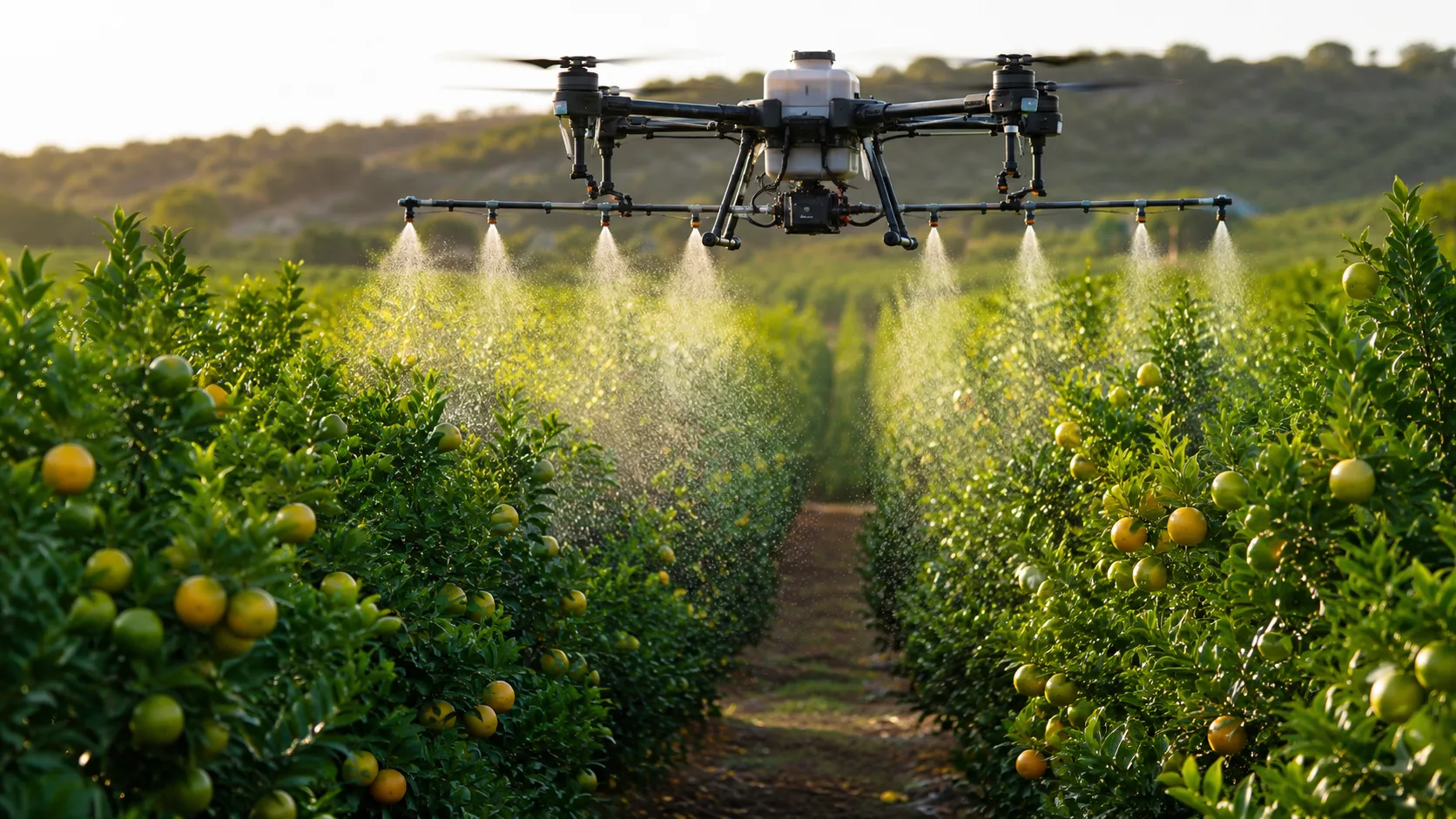
How an Agricultural UAV Improved Spraying Efficiency in a Citrus Orchard
An agriculture case study showing how a citrus orchard used UAV spraying to improve treatment speed, reduce manual workload, and maintain more consistent application across uneven terrain and narrow tree rows.
At A Glance
Industry
Agriculture
Use Case
Orchard Spraying
Deployment Fit
Citrus Orchards
Operational Focus
Speed, Access, Consistency
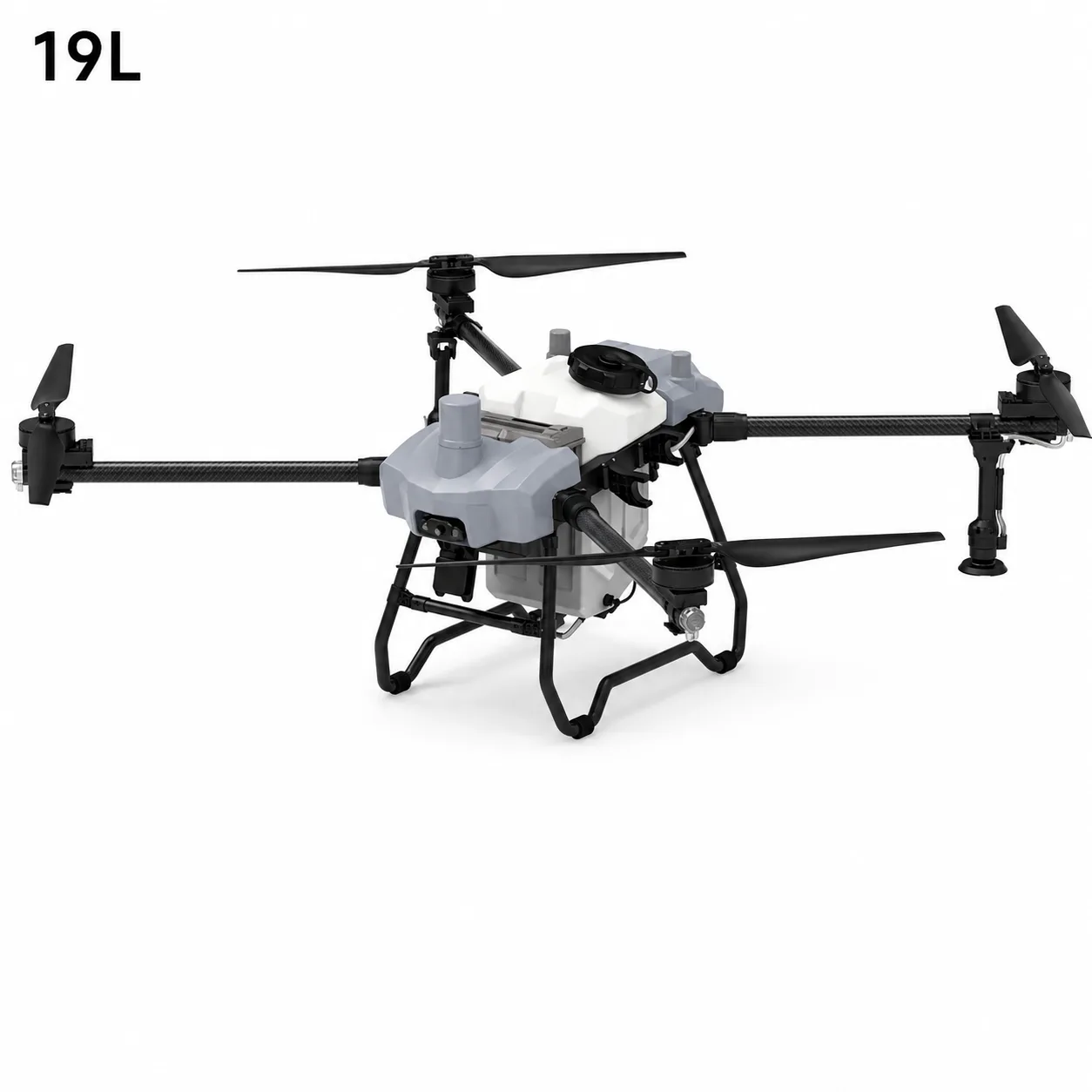
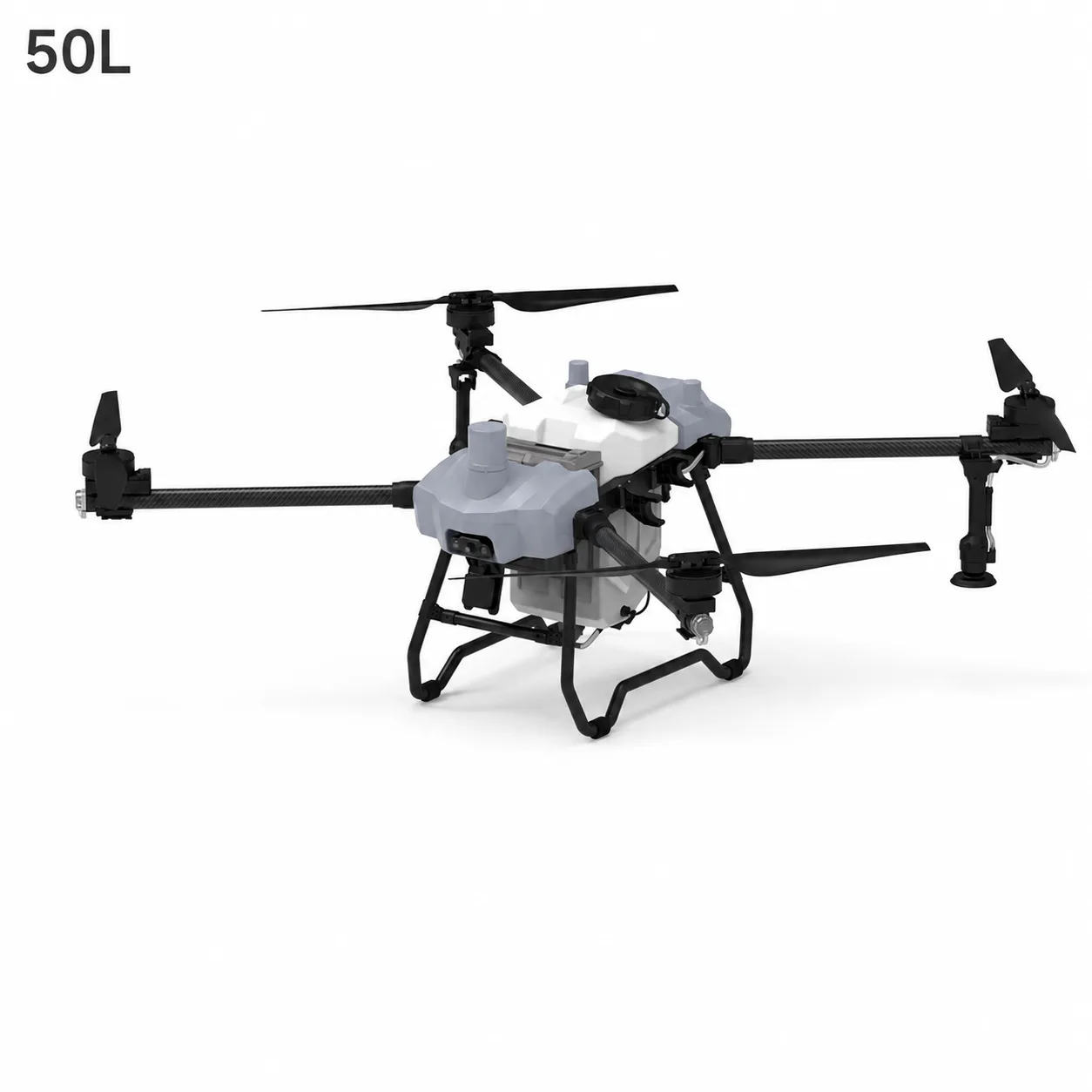
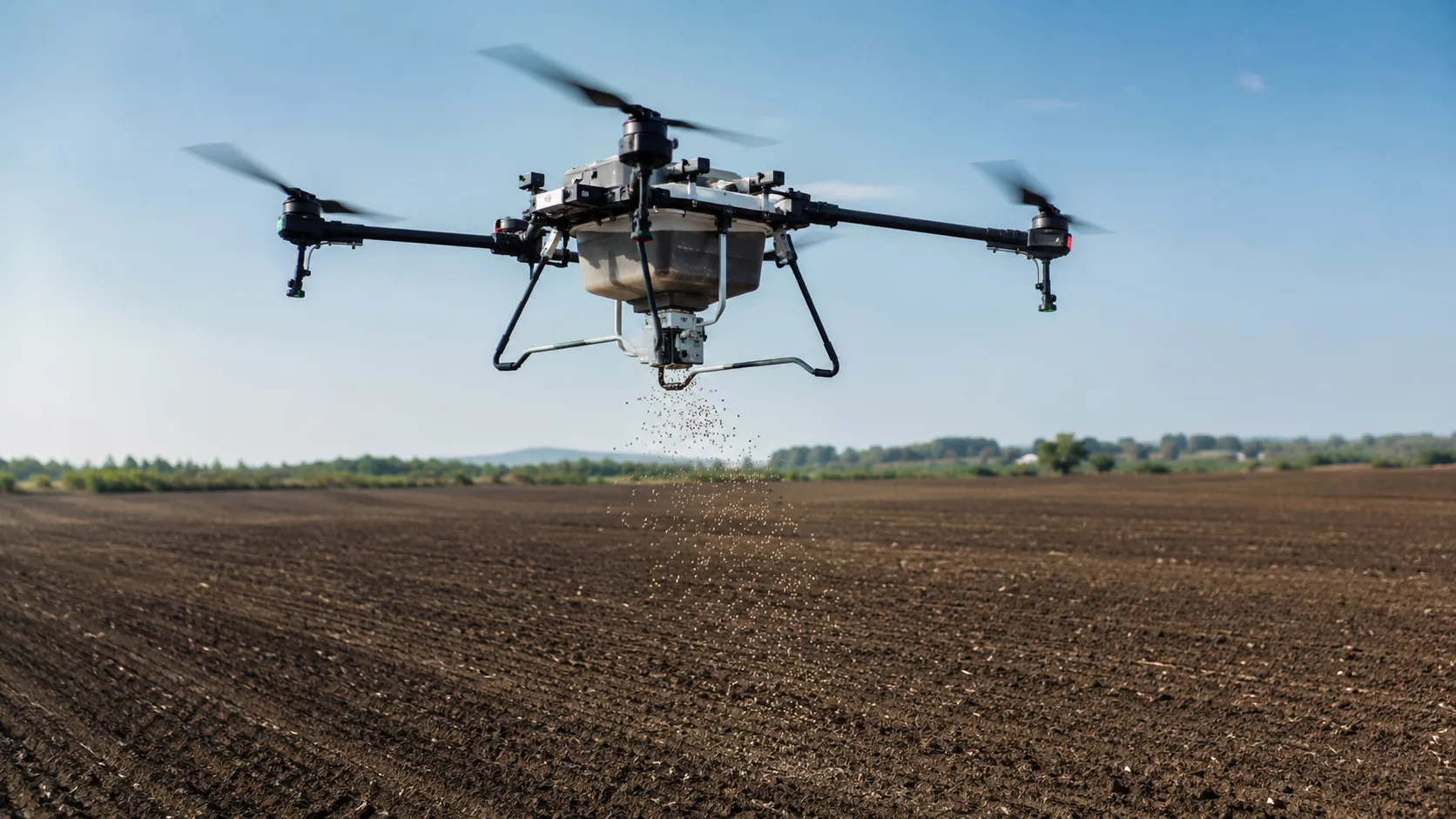
A citrus orchard needed a faster and more consistent way to complete crop protection work across uneven ground and tightly structured tree blocks. Traditional spraying was becoming too slow and labor-intensive for a site where treatment timing mattered and access conditions made repeated ground work harder to scale. By introducing an agricultural UAV into the workflow, the orchard improved spraying speed, reduced manual effort, and handled difficult orchard conditions with greater operational control.
The drone was not introduced to replace the orchard team's agronomy process. It was added to strengthen spray execution in an environment where slopes, tree-row layout, and repeated seasonal treatment demand were putting pressure on labor and field scheduling. In practice, the UAV helped turn a physically demanding orchard task into a more repeatable and efficient operation.
The Orchard Challenge
The orchard was made up of multiple citrus blocks spread across uneven terrain. Some sections were straightforward to access, but others sat on slopes or in areas where moving people and equipment in and out was slower and less efficient. Because citrus production depends on regular protection work, the team needed a spraying method that could keep pace with the orchard's treatment schedule without creating repeated operational bottlenecks.
Manual spraying had gradually become the weak point in the workflow. It required more time, more labor, and more physical effort than the orchard wanted to commit during each treatment cycle. The team also needed better consistency, especially in blocks where row spacing, canopy layout, or ground access conditions made even application more difficult to maintain from pass to pass.
The real issue was not only labor intensity. It was the inability to execute orchard spraying at the right speed and with the same level of control across every block. That made it harder to keep treatment quality consistent during critical spray windows.
Why a UAV Was a Good Fit for Citrus Blocks
The orchard selected an agricultural UAV because it addressed the exact constraints that were slowing field operations. A citrus orchard is a strong UAV use case: tree rows create repetitive spray patterns, terrain variation makes ground work less efficient, and protection tasks have to be repeated on a seasonal schedule. Those conditions reward a platform that can move quickly, follow planned routes, and maintain more stable application across difficult sections of the site.
The UAV created value in five practical ways:
- Faster treatment across orchard blocks: helping the team complete spray cycles within the right operational window.
- Lower manual burden: reducing the amount of physically repetitive field work required from the orchard crew.
- Better access to uneven areas: improving execution in sloped or inconvenient sections of the orchard.
- More controlled application along tree rows: supporting more consistent coverage across blocks with variable layout conditions.
- Stronger scheduling flexibility: making it easier to organize spray operations during time-sensitive treatment periods.
For teams building a broader orchard and plantation workflow around UAV operations, we also recommend our precision agriculture guide, our crop monitoring workflow article, and our agricultural plant protection solutions page.
Deployment Workflow
The spraying process was integrated into the orchard's normal crop management routine rather than treated as a separate technology trial. Before each job, the team identified the target citrus blocks, prepared the spray mixture, and planned the flight path based on orchard layout, row direction, and treatment priorities.
The workflow typically followed five steps:
- Block selection: the team confirmed which citrus sections required treatment during the current spray cycle.
- Spray preparation: the mixture was prepared in line with the orchard's crop protection plan.
- Route configuration: the UAV mission was set to align with tree rows, target zones, and terrain conditions.
- Spray execution: the drone completed the treatment pass across the orchard blocks.
- Post-operation review: the team checked the treated sections and reviewed the operation before the next cycle.
This workflow gave the orchard a more repeatable way to execute spraying. It reduced the physical burden on the field team while making it easier to work around slope limitations, narrow movement space, and block-specific access constraints.
Operational Outcomes
The use of the agricultural UAV improved orchard spraying in several important ways.
First, it shortened the time required to complete treatment cycles. Spray work that had previously demanded heavier manual effort could now be completed more efficiently with UAV support. That helped the orchard stay on schedule during critical protection periods.
Second, it reduced labor pressure. Because the drone handled a significant share of the spraying workload, the orchard needed fewer people in the field for each operation. That freed labor for pruning, inspection, irrigation support, and other orchard tasks that still required hands-on attention.
Third, it improved application consistency across the orchard. The UAV provided a more controlled spraying pattern, which was especially useful in blocks where slope, canopy arrangement, or access conditions made ground-led uniformity harder to maintain.
Fourth, it improved execution in difficult terrain. Orchard slopes and tight access lanes often slow manual work and increase operator fatigue. The UAV allowed the team to handle those sections more effectively without adding unnecessary strain or delaying the overall spray cycle.
Finally, it gave the orchard a more scalable spraying model. As treatment windows tighten or labor availability changes, the UAV provides a more stable way to maintain operational efficiency without depending entirely on manual field crews.
Why the Deployment Worked
This deployment worked because the UAV solved a real orchard operations problem: repeated spray demand in a field layout that was not ideal for labor-heavy ground work. The drone was not introduced as a novelty. It was matched to the orchard's actual constraints and used where it delivered immediate operational value.
The strongest fit came from the nature of citrus production itself. Citrus orchards often combine row-based planting, uneven terrain, repeated seasonal treatment, and a need for consistent canopy coverage. In that environment, a UAV improves not only speed, but the orchard's ability to carry out spray work with more repeatability and less friction.
The team also benefited from treating the drone as part of the regular workflow rather than an occasional experiment. Once UAV spraying became an expected operating tool, the orchard had a more dependable way to plan and execute crop protection across multiple blocks.
What This Means for Orchard Operators
For citrus orchards, an agricultural UAV can be a highly practical tool for improving spraying efficiency. It helps reduce labor pressure, improve access to difficult blocks, and support more consistent crop protection where terrain and orchard layout make manual work harder to scale.
That is especially relevant for orchard operators managing slopes, narrow working space, and repeated seasonal spray demand. In those conditions, the value of a UAV is not only faster flying. It is the ability to execute orchard protection work with better control and less operational strain.
Key Takeaway
This case shows why citrus orchards are a strong fit for agricultural UAV deployment. When the platform is matched to the real layout and treatment demands of the site, it can turn a slow and physically demanding spray process into a faster, more manageable, and more repeatable operation.
For orchard teams looking to improve execution without scaling labor at the same pace, UAV spraying can become a practical part of day-to-day crop protection management.
Frequently Asked Questions
Why was a UAV a strong fit for this citrus orchard?
+
Because the orchard needed a faster way to spray across uneven terrain and narrow tree-row blocks without increasing manual workload or losing application consistency.
What did the UAV improve in orchard operations?
+
It improved treatment speed, reduced labor pressure, supported more controlled application across tree rows, and helped the team handle difficult orchard sections more efficiently.
Where do agricultural UAVs create the most value in orchard spraying?
+
They create the most value where orchards combine repeated seasonal spray demand, uneven terrain, access constraints, and a need for more repeatable crop protection execution.
Continue Exploring
Continue Exploring
Keep the momentum going with a few related reads selected to extend this topic into strategy, deployment, and practical field use.
Featured Read
What Is Precision Agriculture? A Complete Guide for Modern Farming
Agriculture · Apr 12, 2026
Recommended
Agriculture Drones in China: Technology, Applications and Operating Principles
Agriculture Drones · Jul 31, 2026
Recommended
Agriculture Drone Manufacturer: 12 Questions Importers Should Ask Before Buying
Agriculture · Jul 28, 2026

Recommended
How Agricultural Spraying Drones Work: From Route Planning to Droplet Deposition
Agriculture Drones · Jul 31, 2026
Recommended
How Many Hectares Can a 50L Agriculture Drone Spray Per Hour?
Agriculture Drones · Jul 29, 2026

Want outcomes like this?
Share your use case and we will map an implementation strategy with measurable operational milestones.