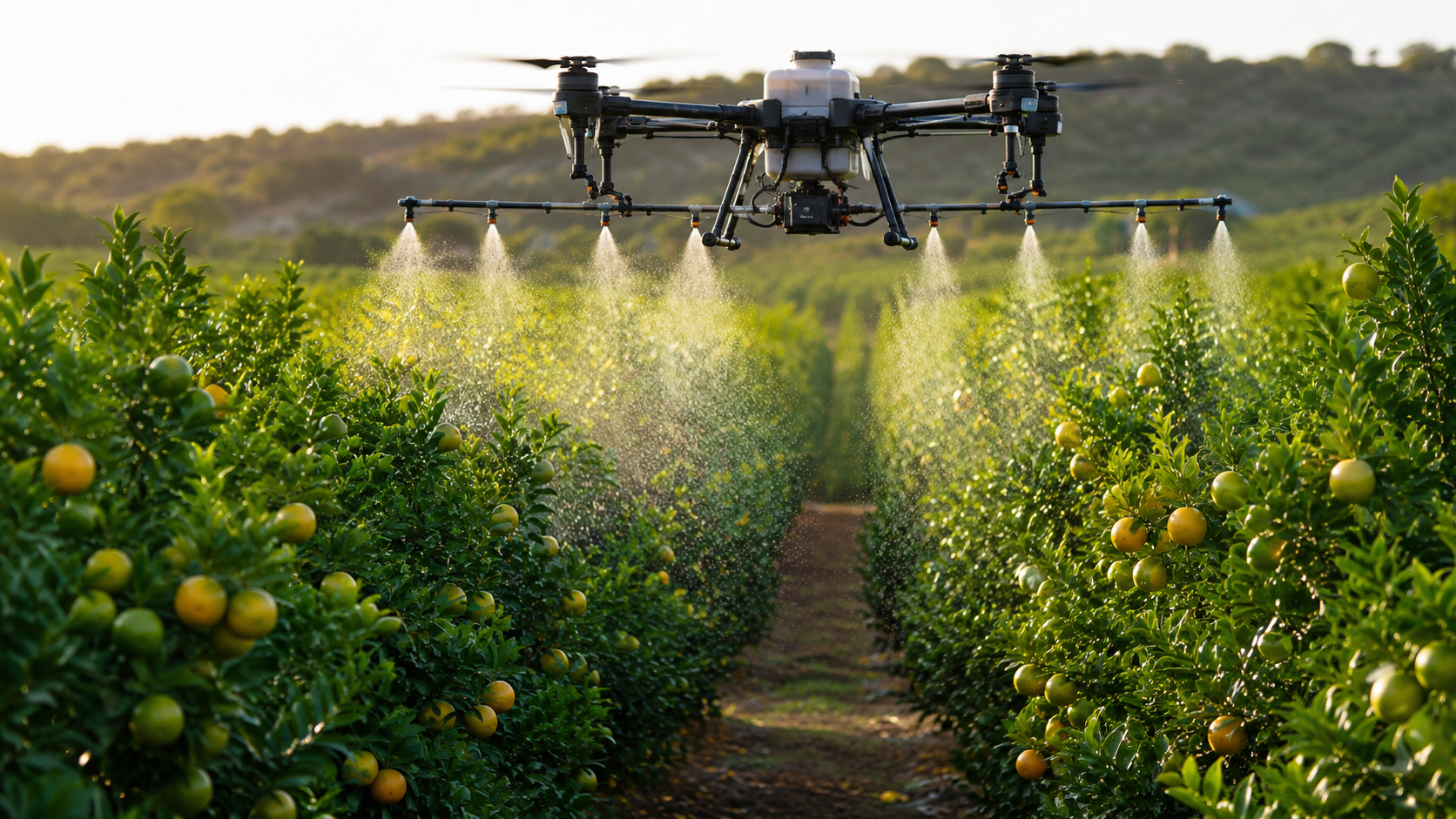
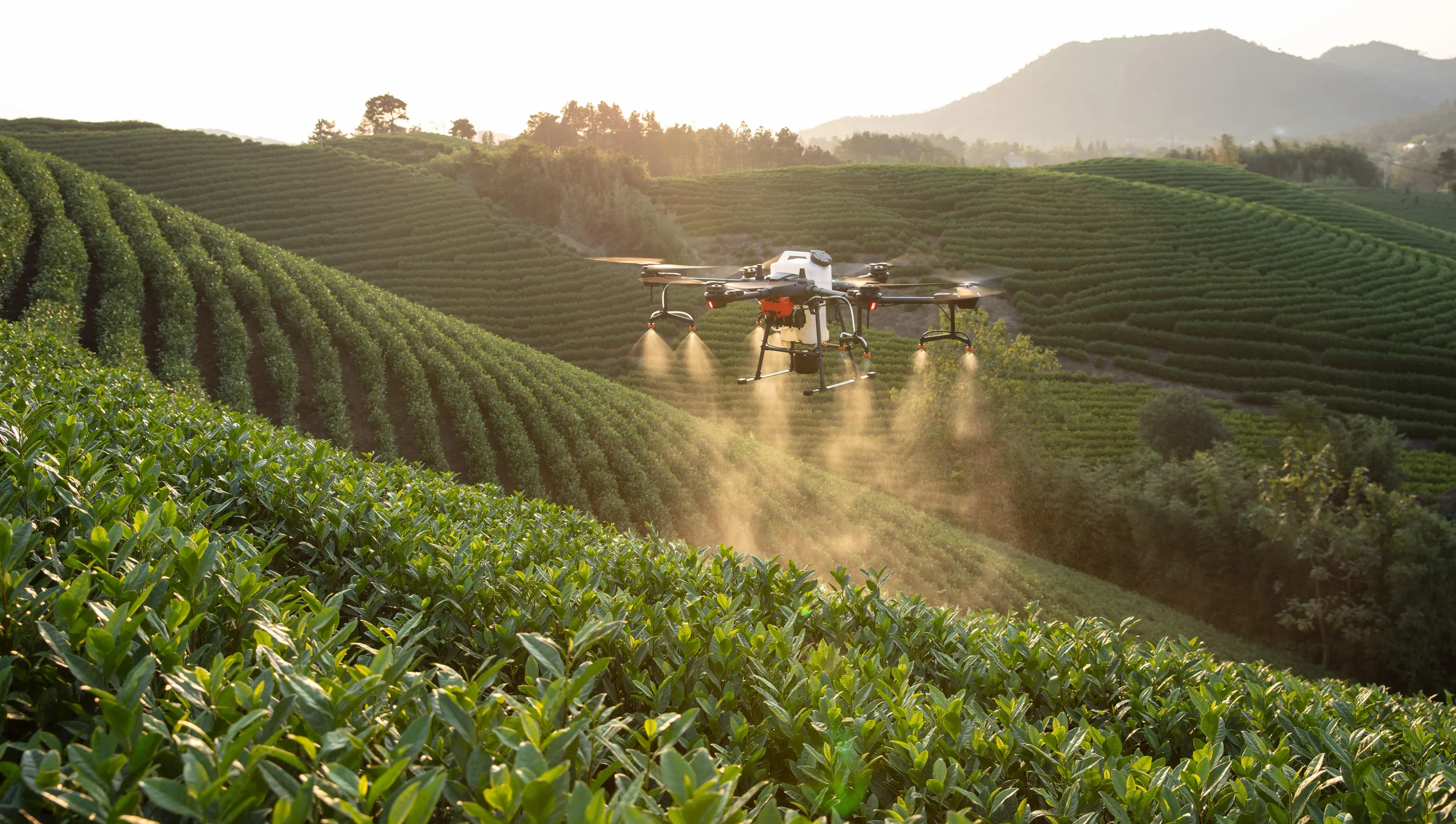
Choosing the right agriculture spraying drone is not only about tank capacity. For overseas buyers, distributors and spraying service teams, the right model affects operation efficiency, transportation, battery planning, spare parts preparation, local demonstration and total purchase cost.
For many agricultural drone buyers, the most common comparison is between 19L, 50L and 100L agricultural spraying drones. Each model serves a different type of customer. A smaller drone may be easier for trial use and local demonstration, while a larger drone may be more suitable for large farms, plantations and project-based spraying work.
This guide explains how to compare 19L, 50L and 100L agriculture spraying drones and choose the right model for your market.
Quick Comparison: 19L, 50L and 100L Agriculture Drones
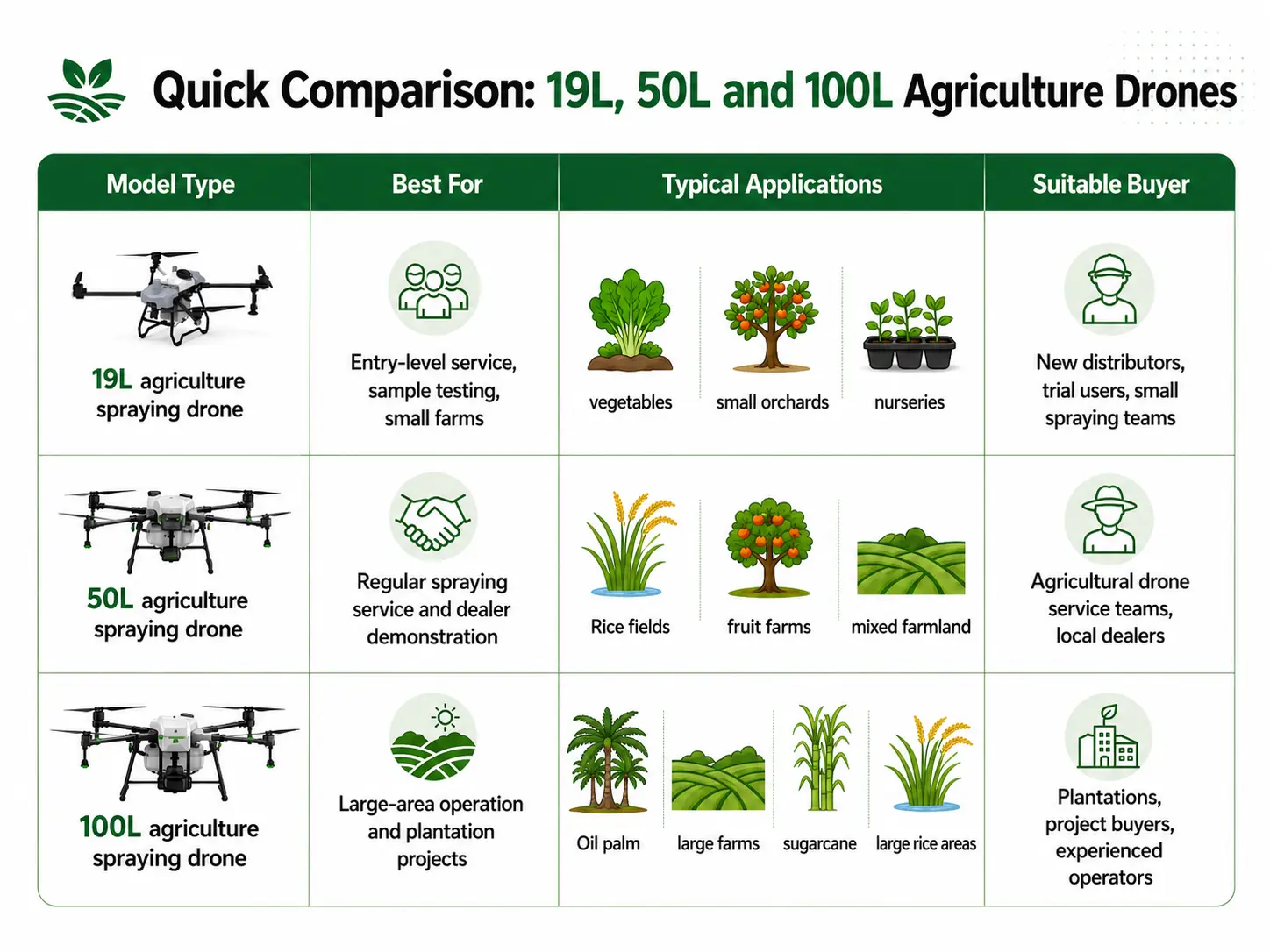
The best model depends on your target customers, crop type, operating area, budget and after-sales plan.
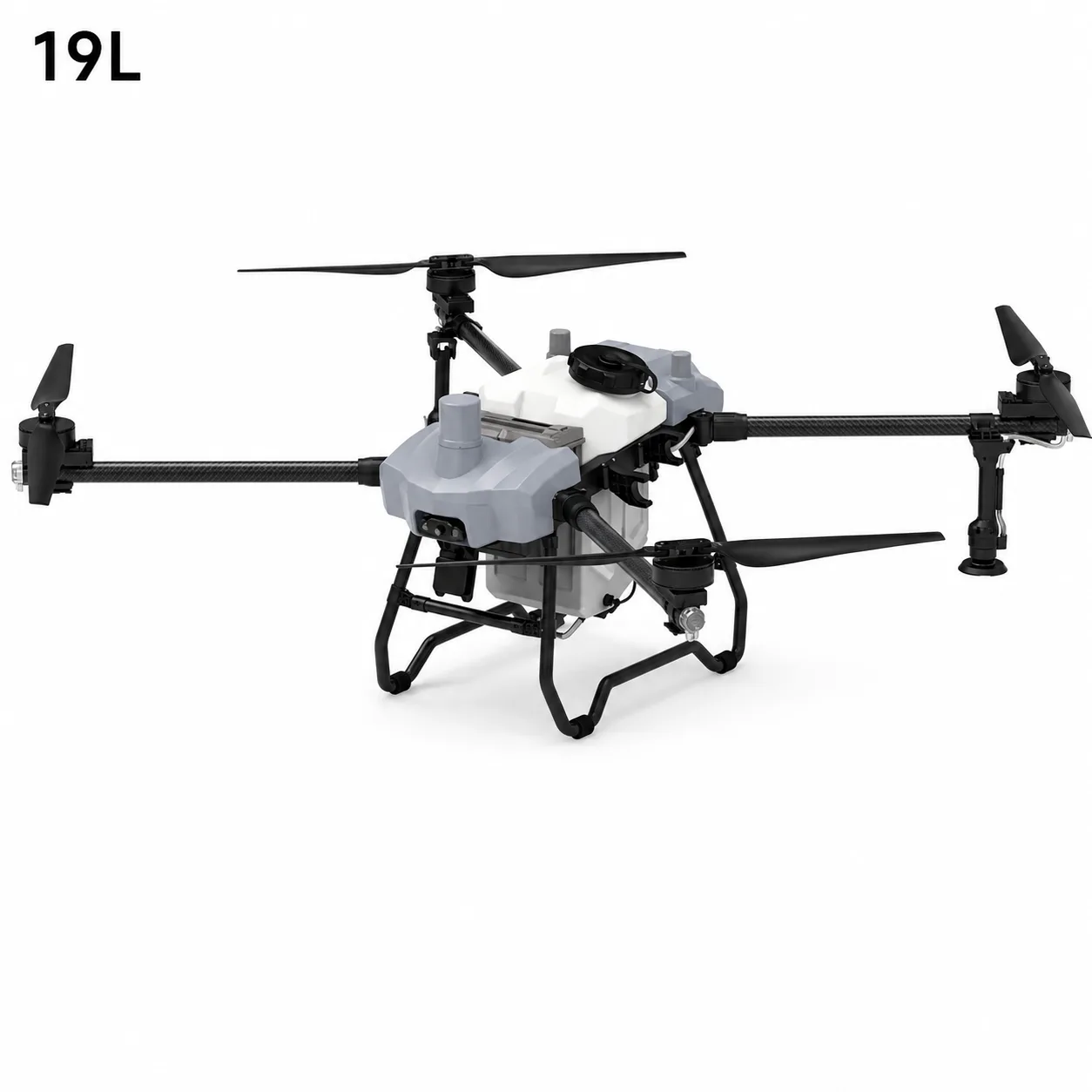
When Should You Choose a 19L Agricultural Spraying Drone?
A 19L agricultural spraying drone is suitable for buyers who want a smaller and more flexible model for entry-level spraying work. It is easier to transport, easier to demonstrate and easier for new operators to understand.
This model is a good choice for:
New agricultural drone distributors
Trial users
Small spraying service teams
Vegetable farms
Small orchards
Nurseries
Local demonstration projects
Buyers who want to test market demand first
The main advantage of a 19L model is its lower starting threshold. It can be used as a sample unit for dealers who want to show local customers how agricultural drone spraying works.
For first-time buyers, a 19L spraying drone can help reduce initial purchase pressure. It is also easier to explain to small farm owners who are not yet familiar with agricultural drone operations.
However, if your customers mainly operate large rice fields, plantations or high-volume spraying projects, a 19L model may not be efficient enough. In that case, a 50L or 100L model may be more suitable.
When Should You Choose a 50L Agricultural Spraying Drone?
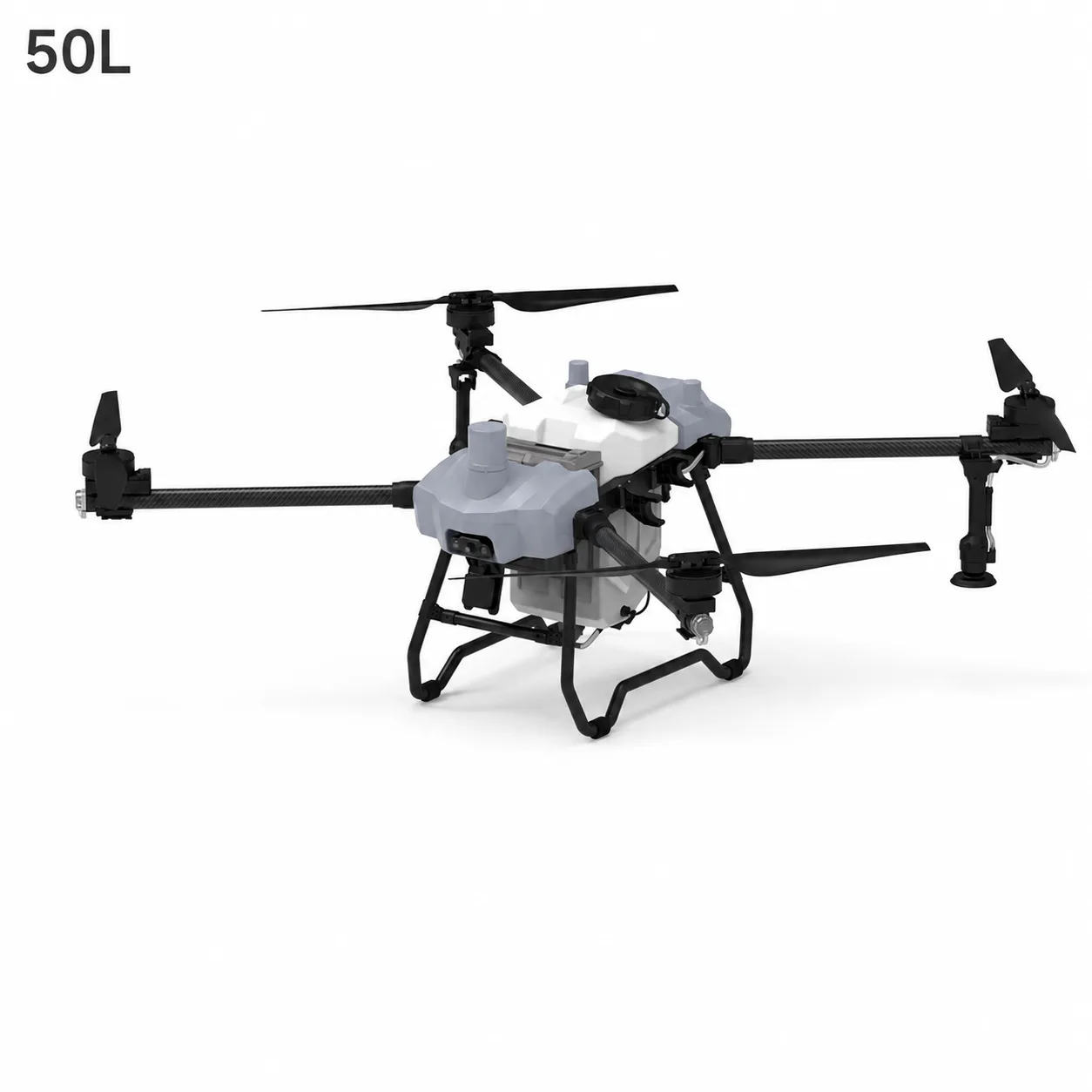
A 50L agricultural spraying drone is a more balanced model for regular spraying work. It offers higher capacity than entry-level models while still being easier to promote, transport and operate than very large drones.
This model is suitable for:
Agricultural drone service teams
Local dealers
Rice field spraying
Fruit farm spraying
Mixed farmland
Pesticide and fertilizer service providers
Buyers who need a practical demonstration model
For many dealers and spraying teams, the 50L model can be used as a standard business model. It is large enough for real field operation, but still practical for local promotion and customer demonstrations.
If you are developing an agriculture drone market in Southeast Asia, the 50L model can be a strong choice for rice fields, fruit farms and general crop protection services.
Compared with the 19L model, the 50L spraying drone can support larger operation areas and reduce refill frequency. Compared with the 100L model, it is usually easier for new service teams to manage.
When Should You Choose a 100L Agricultural Spraying Drone?
A 100L agricultural spraying drone is designed for large-scale crop protection and plantation spraying projects. It is more suitable for buyers who already understand agricultural drone operations or who serve larger customers.
This model is suitable for:
Large farms
Oil palm plantations
Sugarcane fields
Large rice-growing areas
Agricultural cooperatives
Project buyers
Experienced spraying service teams
Local distributors targeting high-capacity customers
The biggest advantage of a 100L agriculture spraying drone is capacity. It can support large-area operations and reduce the number of refills during spraying work.
For plantation projects or large farm customers, a 100L model may provide better operational efficiency. However, buyers should also consider transportation, battery configuration, operator training, spare parts and field accessibility before choosing this model.
A 100L drone is not always the best first sample for a new distributor. It is more suitable when the local market already has clear demand from plantations, large farms or project customers.
How to Choose by Crop Type
Different crops require different drone capacities and spraying strategies.
Vegetables, Nurseries and Small Orchards
For vegetables, nurseries and small orchards, a 19L agricultural spraying drone may be enough for basic spraying work. These applications often require flexibility and easy operation rather than maximum tank capacity.
A smaller model can also help new buyers test local acceptance before investing in larger models.
Rice Fields and Mixed Farmland
For rice fields and mixed farmland, a 50L agricultural spraying drone is often a practical choice. It can serve larger areas than a 19L model and is suitable for regular spraying service.
For local spraying service teams, the 50L model can be easier to promote because it balances capacity, cost and operation convenience.
Oil Palm, Sugarcane and Large Farms
For oil palm plantations, sugarcane fields and large farms, a 100L agricultural spraying drone may be more suitable. These applications usually involve larger operation areas and higher efficiency requirements.
Before choosing a 100L model, buyers should confirm whether they have experienced operators, suitable transportation, enough batteries and a spare parts plan.
How to Choose by Buyer Type
For New Distributors
If you are a new distributor, your first goal is to test local demand. You may not need to start with the largest model immediately.
A practical starting strategy is:
Use a 19L or 50L model for local demonstration.
Collect feedback from farmers and spraying service teams.
Prepare a basic spare parts package.
Build local customer trust.
Add 100L models later for larger customers.
For many new distributors, the 19L model is easier for trial use, while the 50L model is more suitable for serious demonstration and regular service promotion.
For Spraying Service Teams
If you run a spraying service business, your main concern is operating efficiency. You need to think about field size, refill time, battery planning, labor cost and service price.
For small service teams, a 19L model can be used for entry-level work. For regular spraying service, the 50L model is usually more practical. For large farms and plantations, the 100L model can be considered.
For Plantations and Large Farm Buyers
If your customers are plantations or large farms, the 100L model is usually more suitable. These buyers care more about large-area coverage, spraying efficiency, downtime, spare parts and long-term operation cost.
For this type of buyer, a complete quotation should include not only the drone body, but also batteries, chargers, spare parts, spraying system, packaging, training support and after-sales communication.
Do Not Choose Only by Tank Capacity
Many buyers think that a larger tank always means a better drone. In real agricultural spraying work, this is not always true.
Before choosing a model, buyers should consider:
Crop type
Field size
Local customer budget
Operator experience
Transportation conditions
Battery configuration
Charger requirements
Spare parts availability
Maintenance plan
Distributor business model
A 19L drone may be better for trial use. A 50L drone may be better for regular service. A 100L drone may be better for large plantation projects.
The right choice depends on your market, not only on the tank size.
What Should Be Included in the Quotation?
When requesting a quotation for an agricultural spraying drone, buyers should not only ask for the machine price. A complete quotation should include:
Drone model
Tank capacity
Spraying system
Remote controller
Battery quantity
Charger type
Spare parts package
Packaging details
Lead time
Warranty terms
Shipping option
Training support
After-sales communication
Dealer price if applicable
This helps buyers compare the real total cost instead of only comparing the basic drone price.
Recommended Starting Strategy
For most overseas buyers, the recommended strategy is:
Choose 19L if you want a lower-cost sample, small farm model or entry-level demonstration unit.
Choose 50L if you want a balanced model for regular spraying service and dealer promotion.
Choose 100L if your target customers are plantations, large farms or project buyers.
If you are not sure which model to choose, start by identifying your target crop and customer type.
For example:
Vegetable farms and small orchards: 19L
Rice fields and mixed farmland: 50L
Oil palm, sugarcane and large farms: 100L
Need Help Choosing the Right Agriculture Drone?
Stroni UAV supplies 19L, 50L and 100L agricultural spraying drones for overseas distributors, spraying service teams and farm project buyers.
We can help you compare different models based on your country, crop type, target customers and budget.
Contact us to get:
Agriculture drone catalog
19L / 50L / 100L model comparison sheet
Dealer price information
Sample order quotation
Spare parts planning
Export and packaging information
Not sure which model is suitable for your market? Tell us your country, crop type and target customer, and we will help you recommend a suitable agricultural spraying drone model.
Frequently Asked Questions
Which model is best for new distributors?
+
For new distributors, the 19L model is suitable for sample testing and small farms. The 50L model is better for regular demonstration and spraying service. The 100L model is more suitable for plantations, large farms and project buyers.
Is a larger tank always better?
+
No. A larger tank is not always the best choice. Buyers should consider crop type, field size, transport, battery cost and operator experience. The 19L is flexible, the 50L is balanced, and the 100L is better for large-area spraying.
What information is needed for a quotation?
+
Please provide your country, crop type, spraying area, buyer type, preferred model, and whether you need batteries, charger, spare parts or distributor support. This helps us recommend the right agricultural spraying drone and prepare an accurate quotation.
Continue Exploring
Continue Exploring
Keep the momentum going with a few related reads selected to extend this topic into strategy, deployment, and practical field use.
Featured Read
Agriculture Drone Manufacturer: 12 Questions Importers Should Ask Before Buying
Agriculture · Jul 28, 2026

Recommended
What Is Precision Agriculture? A Complete Guide for Modern Farming
Agriculture · Apr 12, 2026
Recommended
How Stroni UAV Is Rethinking Automated Drone Cleaning
Cleaning Drone · Sep 14, 2026
Recommended
How Much Does an Agricultural Spraying Drone Cost in 2026? Complete Price Guide
Agriculture Drones · Jul 3, 2026
Recommended
Agriculture Drone Payloads Explained: Spraying, Spreading, Mapping and Multispectral Imaging
Agriculture Drones · Jul 31, 2026
Want more industry insights?
Explore drone applications, implementation playbooks, and operational best practices with our editorial team.